Buyer Guides By Topic.
Browse the buyer guides available in this topic.
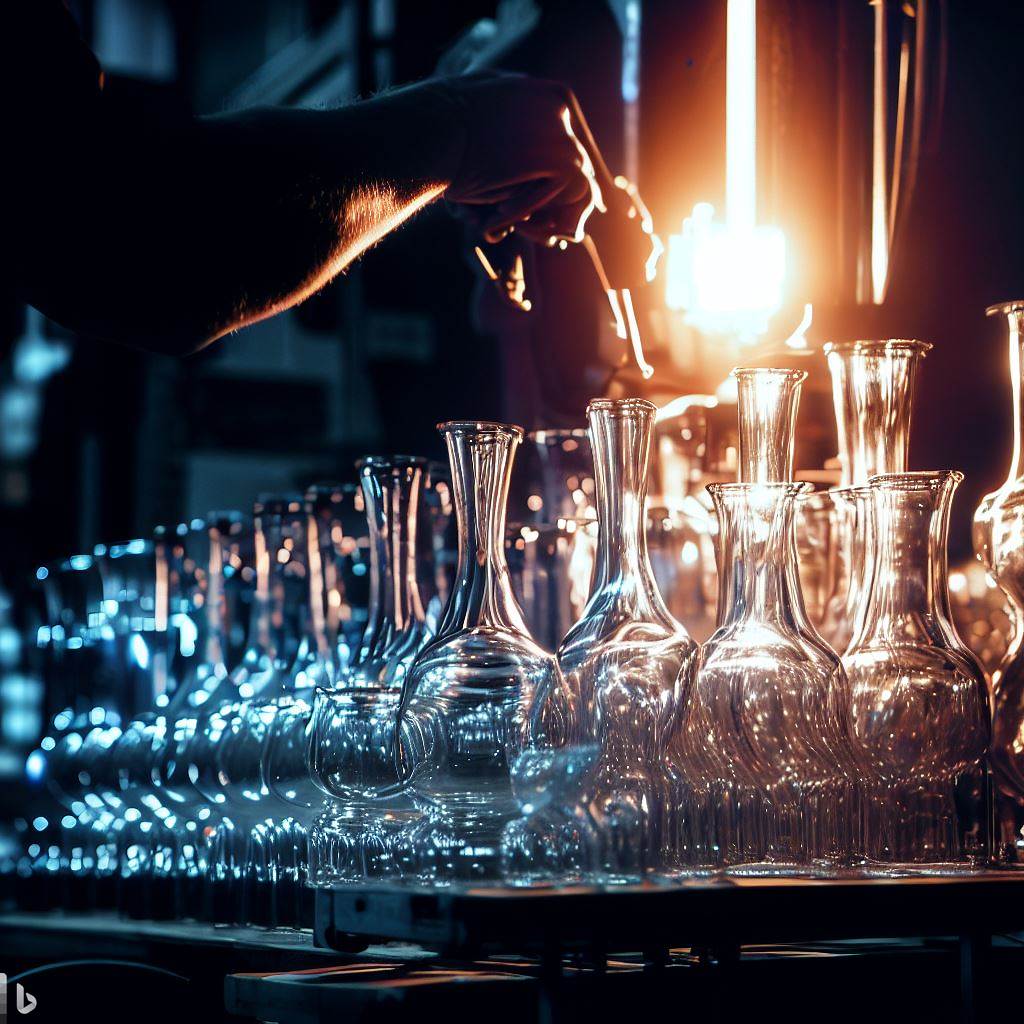
Have you ever come across a stunning globe decanter or an intricately designed tequila bottle and wondered how such masterpieces are created.
The answer lies in the hands of skilled custom glassware manufacturers who can turn your ideas into reality.
This post will explore the fascinating world of custom glassware manufacturing, focusing on the techniques, capabilities, and processes involved in creating exceptional glassware.
The Beauty of Custom Glassware.
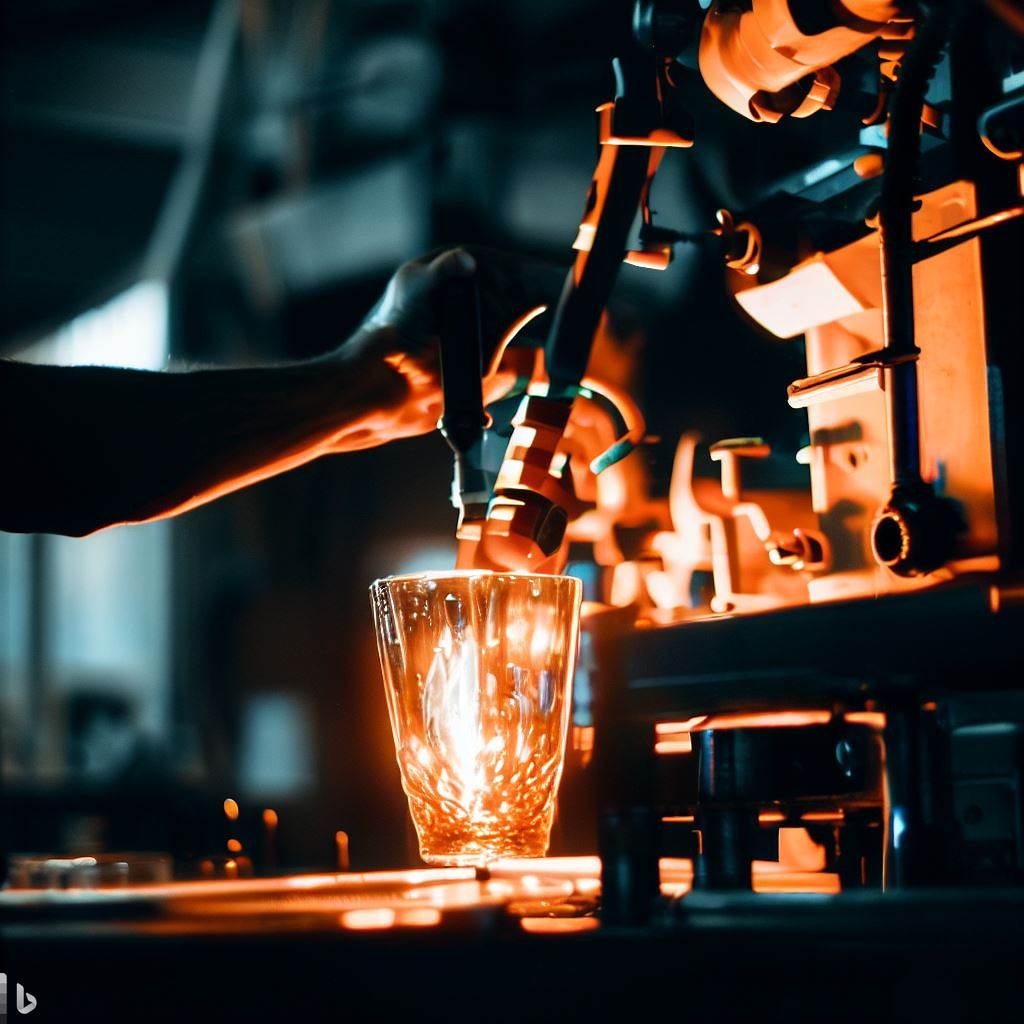
Custom glassware offers a unique opportunity for individuals and businesses to express their style and vision.
From borosilicate glass jars for preserving food to globe decanters for displaying whiskey, custom glassware can be both functional and visually appealing.
For instance, tequila bottles and the AK 47 whiskey decanter are perfect examples of how custom glassware manufacturers can create unique and eye-catching designs.
Blown Glass or Molded Glass: Techniques That Bring Custom Glassware to Life.
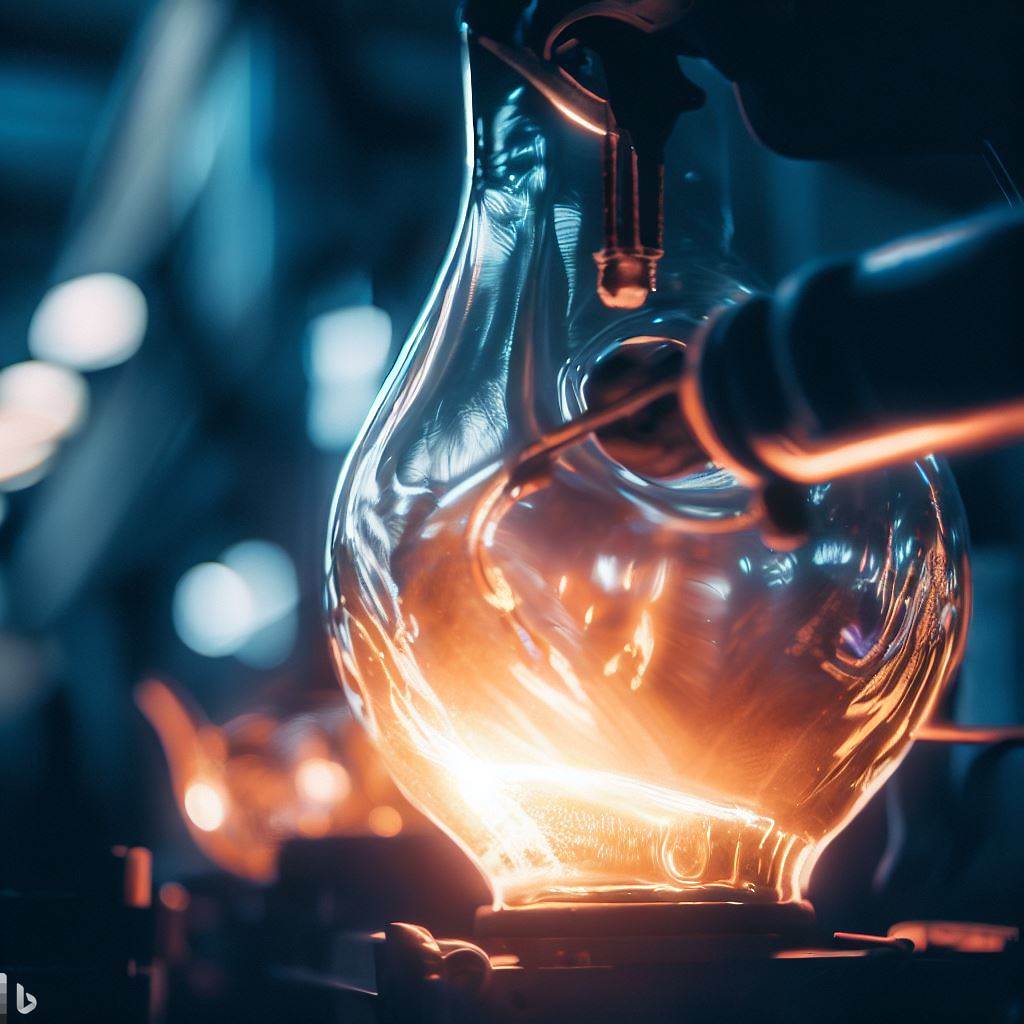
Custom glassware can be crafted using two main techniques: blown glass and molded glass.
Blown glass involves inflating molten glass into a bubble using a blowpipe, while molded glass is created by pouring molten glass into a mold.
Both techniques require a high level of skill and craftsmanship, allowing for intricate designs and shapes to be produced.
Custom Molds: The Key to Unique Designs.
One of the most significant advantages of working with a custom glassware manufacturer is the ability to create custom molds.
Custom molds enable the creation of unique and intricate designs that are not possible with stock molds.
The custom mold process begins with a design consultation, where clients can share their ideas and work with the manufacturer to refine their vision.
Custom Glass Manufacturing: Turning Ideas into Reality.
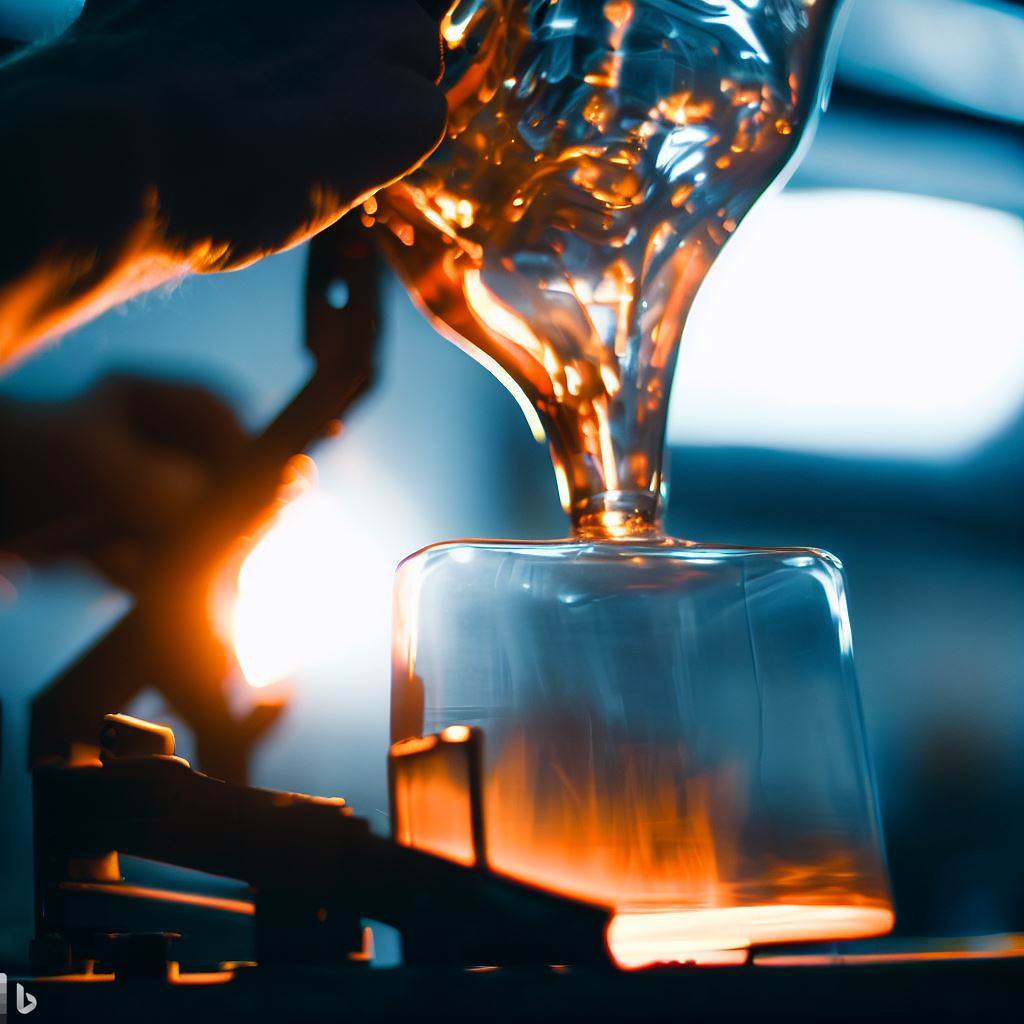
A custom glassware manufacturer’s primary goal is to bring their clients’ visions to life.
The process typically involves four main stages:.
- Design assistance: Manufacturers work closely with clients to develop a design that meets their requirements, ensuring that the final product is both functional and visually appealing.
- Prototypes: Once the design is finalized, the manufacturer will create a prototype to test the design’s feasibility and functionality.
This step is crucial in identifying and addressing any potential issues before moving on to full-scale production. - Small batches and medium volume manufacturing: Depending on the client’s needs, custom glassware manufacturers can produce small batches (less than 1,000 units) or medium volume manufacturing (1,000 to 10,000 units).
This flexibility allows clients to test the market and make any necessary adjustments before committing to a larger production run. - Prototyping and development: Custom glassware manufacturers like Ingcho are committed to providing clients with the best possible solutions.
Whether you have a unique idea or need assistance with product improvement and development, these manufacturers are equipped to help you find the perfect solution.
Capabilities: What Sets Custom Glassware Manufacturers Apart.
Several factors set custom glassware manufacturers apart from their competitors.
Some of the most significant capabilities include:
- Techniques: Manufacturers employ a wide range of techniques, from microfabrication to large-scale glassblowing, allowing them to cater to various industries and applications.
- Short lead times and on-time delivery: Time is of the essence in the custom glassware manufacturing world.
Manufacturers strive to offer short lead times and on-time delivery, giving clients the peace of mind that their products will arrive when they need them. - Excellent customer service: Custom glassware manufacturers understand the importance of building strong relationships with their clients.
They offer exceptional customer service, ensuring that clients are informed and supported throughout the entire process. - Outstanding design capabilities: A custom glassware manufacturer’s ability to create unique and visually appealing designs is crucial for their success.
They have in-house design teams that collaborate with clients to bring their visions to life.
A Step-by-Step Guide to Custom Glassware Manufacturing.
Now that you have a better understanding of custom glassware manufacturing, let’s explore the step-by-step process involved in creating unique and functional pieces.
- Idea generation: The first step in the custom glassware manufacturing process is to come up with a concept or idea.
This could be a simple sketch, a detailed rendering, or even just a description of the desired product. - Design consultation: Once you have an idea, it’s time to consult with a custom glassware manufacturer.
They will work with you to refine your concept and ensure that it’s both functional and visually appealing. - Custom mold creation: After the design is finalized, the manufacturer will create a custom mold to produce your unique glassware.
This involves creating a 3D model of the design and using it to create a mold, which can be made from various materials, such as metal or silicone. - Prototyping: Before moving on to full-scale production, the manufacturer will create a prototype using the custom mold.
This allows them to test the design’s feasibility and functionality, as well as make any necessary adjustments. - Production: Once the prototype has been approved, the manufacturer will move on to full-scale production.
Depending on your needs, this could involve small batches (less than 1,000 units) or medium volume manufacturing (1,000 to 10,000 units). - Quality control and inspection: During the production process, the manufacturer will conduct quality control checks and inspections to ensure that the final product meets the required standards.
- Packaging and shipping: Finally, the finished products are packaged and shipped to the client.
Custom glassware manufacturers often offer various packaging options, such as individual boxes, bulk packaging, or custom-branded packaging.
The World of Custom Glassware: Endless Possibilities.
The custom glassware manufacturing process allows for endless possibilities when it comes to design, shape, and functionality.
Whether you’re looking to create a unique tequila bottle for your brand, a beautiful globe decanter for your home bar, or a functional borosilicate glass jar for your kitchen, working with a custom glassware manufacturer will help you bring your vision to life.
Custom glassware manufacturing is an exciting and creative process that allows individuals and businesses to create unique and functional pieces.
By understanding the techniques, capabilities, and processes involved, you can make informed decisions when choosing a custom glassware manufacturer and collaborate with them to bring your ideas to life.
With endless possibilities and skilled craftsmanship, the world of custom glassware offers an opportunity to express your style and vision in a truly unique way.
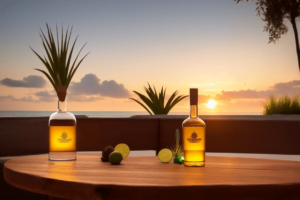
A Glimpse into the Tequila Industry
When you think of tequila, images of salt, lime, and wild nights might come to mind. But did you know that behind every bottle of tequila lies a meticulous manufacturing process? With the global tequila market booming, unique and eye-catching bottle designs have become essential for brands to stand out on the shelf. In this post, we’ll explore the fascinating world of tequila bottle manufacturing and discover the craftsmanship that goes into each bottle.
Crafting a Vision: The Design Process
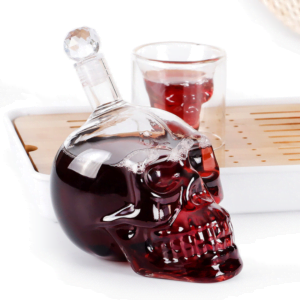
The journey of a tequila bottle begins with a concept. Cultural influences and the desire for unique branding elements play a significant role in shaping the design. For instance, the Tequila Bottle Skull and the Tequila Bottle with Dragon showcase how creativity and culture blend together to produce showstopping designs.
Ergonomics and market trends also dictate the shape and size of a tequila bottle. Brands strive to create bottles that are not only visually appealing but also comfortable to hold and pour. Next comes the label and packaging design, where material selection, typography, and graphic elements come together to convey the brand’s story and identity. A prime example of exceptional label design is the Tequila Bottle with Flower.
Material Matters: Selection and Sustainability
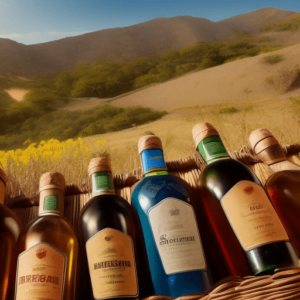
Glass, ceramic, and plastic are the most common materials used in tequila bottle manufacturing. Glass is preferred for its transparency, while ceramic offers a unique, handcrafted appeal. Each material has its pros and cons, but the trend towards sustainability has led to an increase in the use of recyclable materials and eco-friendly packaging.
The Manufacturing Process Unveiled
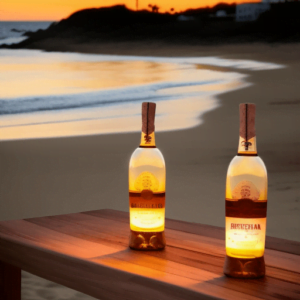
Now that we have our design and materials sorted let’s dive into the manufacturing process.
- Raw material batching: The main raw materials for borosilicate glass bottles are silica sand, borax, sodium hydroxide, and quartz sand. According to the requirements of the product, these materials are mixed in a specific ratio.
- Melting: The proportioned raw materials are placed in a glass melting furnace and heated to 1600-1700 degrees Celsius, allowing the raw materials to fully melt into a uniform glass liquid. During this process, in order to improve the quality of the glass, regular stirring and removal of surface foam are necessary.
- Forming: The melted glass liquid is formed, usually using either the blow molding or the pressure molding method. Blow molding involves using compressed air to blow into a preheated mold, allowing the glass liquid to fill the entire mold under pressure, thus forming the desired bottle shape. Pressure molding involves injecting the glass liquid into a mold and then applying pressure with a press to fill the mold and form the bottle.
- Cooling: After forming, the bottles need to undergo annealing treatment with gradual temperature reduction to eliminate internal stress and improve their impact resistance. Typically, the bottles are gradually cooled to room temperature at a constant rate in an annealing furnace.
- Inspection: The cooled bottles need to undergo strict quality inspections, including checks for appearance, dimensions, transparency, etc., to ensure that product quality meets the standards.
- Packaging: Qualified borosilicate glass bottles are packaged according to customer requirements, usually using cartons or wooden crates to prevent damage during transportation.
- Factory shipment: The inspected and packaged borosilicate glass bottles are finally shipped from the factory and transported to the customer’s designated location.
Ceramic bottles follow a similar path, with raw materials like clay and water being mixed, molded, and fired. Once the bottle takes shape, it’s glazed and decorated to achieve the desired finish. Quality control is crucial in both glass and ceramic bottle manufacturing, with visual inspections and dimensional and weight checks ensuring that each bottle meets the brand’s high standards.
Adding the Finishing Touches: Labeling and Decoration
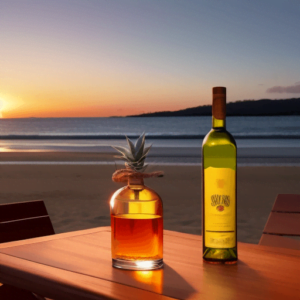
Once the bottles are made, it’s time for labeling and decoration. Screen printing and embossing are popular methods to create intricate designs on the bottle surface, while label application and adhesive methods ensure the label stays put. Special finishing touches like foil stamping and embellishments further enhance the bottle’s appeal. The Tequila with Agave Plant in Bottle demonstrates how innovative design elements can elevate a tequila bottle to a work of art.
Packaging and Distribution: The Final Stretch
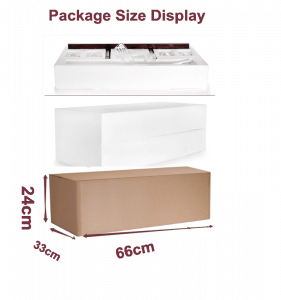
Before the tequila bottles can make their way to the shelves, they need to be securely packaged. Protective materials like bubble wrap and cardboard dividers prevent damage during transportation. Storage and shipping conditions must also be carefully monitored to maintain the quality of both the tequila and the bottle itself. As the bottles journey from the manufacturing facility to your local liquor store, a robust supply chain ensures that each bottle arrives in pristine condition.
In Conclusion: A Toast to Tequila Bottle Manufacturing
Tequila bottle manufacturing is a captivating process that marries artistry, engineering, and craftsmanship. As we’ve seen, each stage of production, from design conception to distribution, plays a crucial role in creating the unique and striking bottles that grace our shelves.
In a competitive market, bottle design significantly impacts consumer perception and brand identity. The tequila industry has embraced this challenge, resulting in a plethora of intriguing and innovative bottles, such as the Tequila Bottle Skull and the Tequila Bottle with Dragon.
Beyond aesthetics, sustainability has also emerged as a driving force in tequila bottle manufacturing. Brands are increasingly adopting recyclable materials and eco-friendly packaging, reflecting a growing consciousness for our planet’s well-being.
As you raise your next glass of tequila, take a moment to appreciate the craftsmanship behind the bottle. The intricate designs, the materials, and the production process all come together in a harmonious dance, creating not just a container for your favorite spirit but a piece of art to be admired.
For more insights into the world of tequila bottles and other fascinating glass creations, check out these articles from Ingcho:
- Masterpieces in Glass: Artistic Tequila Bottles
- Building Your Ultimate Tequila Bottle Collection: A Step-by-Step Guide
- Tracing the Evolution of Tequila Bottles
Whether you’re a tequila enthusiast or simply an admirer of great design, these resources offer valuable perspectives on the art and industry of tequila bottle manufacturing.
Frequently Asked Questions
Who makes tequila in a skull bottle?
Several tequila brands produce tequila in skull-shaped bottles as a unique and eye-catching design element. One example is the Tequila Bottle Skull by Ingcho, which features a stunning and intricate skull design that truly stands out on the shelf.
How is tequila packaged?
Tequila is typically packaged in glass, ceramic, or plastic bottles, with glass being the most common material. The bottles are designed to be visually appealing and comfortable to hold and pour. Labels, screen printing, embossing, and other decorative elements are added to convey the brand’s story and identity. Tequila bottles are then securely packaged in protective materials, such as bubble wrap and cardboard dividers, to prevent damage during transportation.
Why is it called a fifth?
The term “a fifth” comes from the United States’ history of alcohol measurement, where a “fifth” refers to a fifth of a gallon or 25.6 fluid ounces (about 757 mL). Historically, liquor was commonly sold in this quantity, leading to the term “fifth” being synonymous with a standard bottle of alcohol. Today, most liquor bottles are sold in 750 mL quantities, which is just slightly smaller than a traditional fifth.
What is a fifth of alcohol?
A fifth of alcohol refers to a bottle that contains one-fifth of a gallon or 25.6 fluid ounces (about 757 mL) of alcohol. This term was popular in the United States when liquor was commonly sold in this size. However, the modern standard bottle size for most alcoholic beverages, including tequila, is now 750 mL, which is just a bit smaller than a traditional fifth.

Imagine walking into a room, and your eyes are immediately drawn to an exquisite display of tequila bottles. Each bottle tells a story, encapsulating the history, craftsmanship, and culture of this iconic spirit. Intrigued? Let’s dive into the world of collectible tequila bottles and embark on a journey to build your ultimate tequila bottle collection.
The Art of Tequila Collection
Collecting tequila bottles goes beyond simply amassing a variety of spirits. It’s about appreciating the artistry, design, and craftsmanship that goes into each bottle. Whether it’s the intricate details of a Tequila Bottle Skull or the elegant curves of a Tequila Bottle with Flower, each piece holds a special place in your collection.
As a collector, you become an ambassador of tequila, sharing its rich history and cultural significance with others. Your collection can serve as a conversation starter, fostering connections with fellow enthusiasts and those eager to learn more about the spirit.
Tequila 101: Understanding the Basics
Before you begin your quest for the perfect tequila bottle collection, it’s essential to grasp the basics of tequila. Made from the blue agave plant, tequila is primarily produced in the region surrounding the city of Tequila in the Mexican state of Jalisco. It comes in various types, including Blanco (unaged), Reposado (aged for 2-11 months), Añejo (aged for 1-3 years), and Extra Añejo (aged for over 3 years). Each type has its unique flavor profile, which adds depth and diversity to your collection.
Step 1: Choosing the Right Bottles for Your Collection
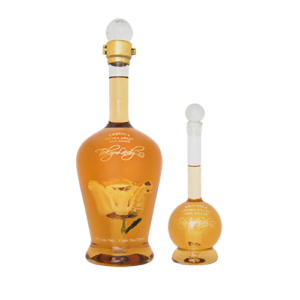
When selecting bottles for your collection, it’s essential to focus on both the quality of the tequila and the design of the bottle. A well-rounded collection should showcase a variety of tequila types and eye-catching designs. Here are a few examples of collectible tequila bottles to consider adding to your collection:
- Tequila Bottle Skull: A stunning piece of art, featuring a detailed skull design that adds a touch of intrigue to your collection.
- Tequila Bottle with Dragon: An exquisitely crafted bottle adorned with an intricate dragon design, symbolizing power and strength.
- Tequila Bottle with Flower: A beautifully designed bottle showcasing a delicate flower, adding elegance and sophistication to your collection.
- Tequila with Agave Plant in Bottle: A unique and captivating bottle containing a miniature agave plant, serving as a constant reminder of tequila’s origins.
Feel free to browse Ingcho’s tequila bottle collection for more inspiration and options.
Step 2: Storing and Displaying Your Collection
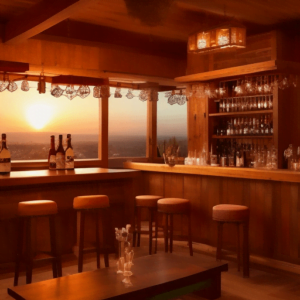
Proper storage and display are crucial in preserving the quality of your tequila and showcasing the unique bottle designs. When storing your bottles, ensure they’re away from direct sunlight and kept at a consistent temperature (55-65°F) and humidity level (50-70%). This will help maintain the integrity of the tequila.
Invest in a high-quality glass or wooden display case to protect your collection from dust and showcase the exquisite bottle designs. Lighting is also essential, as it can accentuate the details and colors of each bottle. LED lights are an excellent choice, as they emit minimal heat and won’t damage the tequila or labels.
When arranging your bottles, consider grouping them by type, design theme, or brand. This not only creates a visually appealing display but also allows you to easily locate specific bottles when showing off your collection or enjoying a sip.
Step 3: Expanding and Maintaining Your Collection
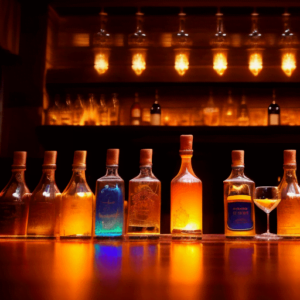
As your tequila bottle collection grows, it’s crucial to maintain a balance between quality and quantity. Prioritize bottles with exceptional tequila and striking designs, and avoid the temptation to add every unique bottle you come across. Engage with other collectors, join online forums, and attend tequila tasting events to stay informed about new releases and limited editions.
Maintaining your collection is equally important. Regularly dust your display case and bottles, as excessive dust can damage labels and affect the presentation. If you open a bottle, ensure it’s resealed correctly to preserve the tequila’s quality. Keep an inventory of your collection, including the name, type, and purchase details of each bottle. This will help you track your collection’s growth and make it easier to insure.
Step 4: Responsible Tequila Consumption and Appreciation
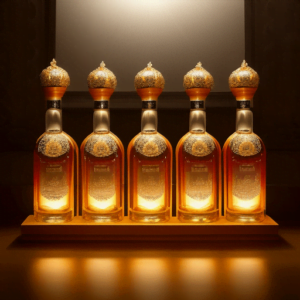
Building your ultimate tequila bottle collection goes hand-in-hand with responsible consumption and appreciation. As a collector, it’s essential to savor and enjoy your tequila responsibly. This means not only drinking in moderation but also understanding how to taste and appreciate the spirit.
When tasting tequila, follow these steps:
- Pour a small amount into a glass, ideally a tequila-specific glass or a wine glass with a narrow opening.
- Observe the color and viscosity, which can offer insights into the tequila’s age and flavor profile.
- Swirl the glass gently to release the aromas, then take a moment to inhale the scent. Identify any fruity, floral, or herbal notes present in the aroma.
- Take a small sip and let the tequila coat your palate. Note the flavors, such as sweetness, bitterness, or spiciness, and consider how they change as the tequila lingers in your mouth.
- Swallow the tequila and observe the finish – the flavors that remain once the spirit is gone.
By engaging in responsible consumption and appreciation, you’ll develop a deeper understanding of tequila, which will enhance your overall collecting experience.
Frequently Asked Questions
Q: What is a good gifting tequila?
A: A good gifting tequila should not only be of high quality but also have an impressive presentation. Some popular choices for gifting include Don Julio 1942, Clase Azul Reposado, and Casamigos Añejo. You might also consider gifting a unique collectible bottle, such as the Tequila Bottle Skull or the Tequila Bottle with Dragon, which adds a touch of artistry and novelty to the gift.
Q: What is the most expensive tequila bottle?
A: The most expensive tequila bottle to date is the “Pasión Azteca, Platinum Liquor Bottle by Tequila Ley .925,” which sold for $3.5 million. This ultra-luxurious bottle features a handcrafted design made of platinum and encrusted with over 6,400 diamonds. It’s important to note that the high price tag is largely due to the bottle’s design rather than the tequila itself.
Q: What tequila is worth $1,000?
A: Tequilas in the $1,000 price range are typically Extra Añejo or limited-edition releases from prestigious brands. Some examples include the Patron Lalique Serie 2, which retails for around $7,500, and the Clase Azul Ultra Añejo, which can fetch around $1,700. These tequilas are known for their exceptional quality and rarity, making them highly sought after by collectors and enthusiasts.
Q: What is the most rare tequila?
A: The rarest tequilas are often limited-edition releases, special collaborations, or bottles from small-batch distilleries. Some examples include the Herradura Seleccion Suprema, which is produced in limited quantities and aged for 49 months, and the Rey Sol Añejo, which features a unique sun-shaped bottle designed by Mexican artist Sergio Bustamante. Rarity can also be attributed to discontinued tequilas or bottles with unique designs, such as the Tequila with Agave Plant in Bottle.
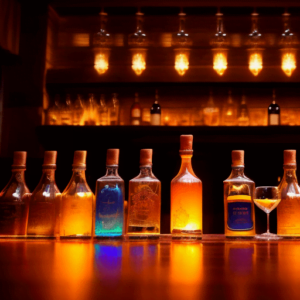
Picture this: You’re walking through an art gallery, admiring the creative masterpieces on display. The colors, the shapes, the intricate details – they all tell a story. But what if I told you that these masterpieces aren’t just limited to the canvas? Instead, they can be found right in your liquor cabinet. That’s right – we’re talking about artistic tequila bottles.
Tequila, a spirit native to Mexico, has a rich history that goes hand-in-hand with the art of glassmaking. Tequila bottles’ artistic design is a celebration of Mexican culture and custom as well as a testament to the artisans’ skill.
I. The History of Artistic Tequila Bottles
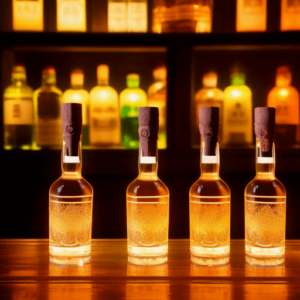
A. The origin of glass art in tequila packaging
The origin of glass art in tequila packaging can be traced back to the early days of tequila production when producers started using glass bottles to store and transport their precious elixir. As tequila gained popularity, so did the creativity of the artisans who crafted the bottles.
B. How artistic bottles have evolved over time
Over the years, artistic tequila bottles have evolved from simple glass containers to intricate, hand-crafted works of art. These bottles not only reflect the quality of the tequila inside but also showcase the unique personalities of the brands and the artisans behind them.
C. The influence of Mexican culture and traditions in bottle design
Mexican culture and traditions play a significant role in the design of artistic tequila bottles. From the vibrant colors and patterns to the symbolic motifs, these bottles are a canvas for Mexican artists to share their stories and celebrate their heritage.
II. The Art of Glassmaking: Techniques and Materials

A. Traditional glassblowing and its role in creating unique tequila bottles
Traditional glassblowing is an age-old technique that involves heating glass to a molten state and then shaping it using various tools and molds. This technique plays a crucial role in creating unique tequila bottles, as it allows artisans to craft one-of-a-kind designs with intricate details.
B. Modern techniques, such as kiln casting and glass etching
While traditional glassblowing remains a popular method, modern techniques like kiln casting and glass etching have also been incorporated into the creation of artistic tequila bottles. These methods offer even more possibilities for artists to express their creativity and push the boundaries of glass art.
C. Sustainable materials and eco-friendly practices in the industry
As sustainability becomes a growing concern, the tequila industry has begun to adopt eco-friendly practices and materials in the production of their artistic bottles. From using recycled glass to adopting sustainable manufacturing processes, these efforts are a testament to the industry’s commitment to preserving the environment.
III. Iconic Artistic Tequila Bottles and Their Creators
After exploring the origins and manufacturing processes of artistic tequila bottles, let’s focus on some of the most recognizable patterns and the people who created them.
A. Clase Azul
Clase Azul is known for its stunning, hand-painted ceramic bottles. Each bottle is a work of art, with intricate patterns and vibrant colors that celebrate Mexican culture.
B. Milagro Select Barrel Reserve
The Milagro Select Barrel Reserve is housed in a hand-blown glass bottle, featuring a glass agave plant inside the bottle. This unique design pays homage to the agave plant, the source of tequila.
C. AsomBroso La Rosa Reposado
The AsomBroso La Rosa Reposado is a pink-tinged, vintage-inspired bottle that exudes elegance and sophistication. Its unique design sets it apart from other tequila bottles on the
market.
D. Kah Tequila
Kah Tequila bottles are inspired by the Day of the Dead, a traditional Mexican holiday. Each bottle is shaped like a skull, with vibrant colors and intricate designs that celebrate the holiday’s themes of life, death, and remembrance.
E. Casa Noble Añejo
Casa Noble Añejo offers limited-edition pewter and crystal decanters, each one a striking work of art. These bottles are a testament to the craftsmanship and attention to detail that goes into making such masterpieces.
IV. The Impact of Artistic Tequila Bottles on the Tequila Market
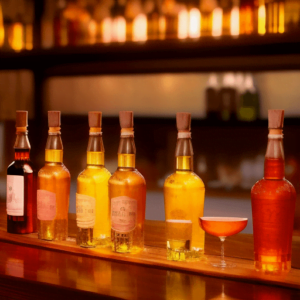
A. The role of packaging in consumer perception and brand identity
The packaging of a product plays a significant role in shaping consumer perception and establishing a brand’s identity. Artistic tequila bottles not only grab the attention of consumers but also convey a sense of luxury and exclusivity, which can elevate a brand’s image and appeal.
B. How artistic bottles add value and contribute to premium pricing
Artistic tequila bottles, with their intricate designs and high-quality craftsmanship, add value to the product and often command premium pricing. Consumers are willing to pay more for these unique, artistic bottles as they are seen as collector’s items and conversation pieces.
C. The rise of tequila bottle collecting as a hobby
The popularity of artistic tequila bottles has given rise to tequila bottle collecting as a hobby. Collectors seek out rare and unique bottles, often trading or purchasing them at auctions or online marketplaces.
V. Tips for Displaying and Storing Your Artistic Tequila Collection
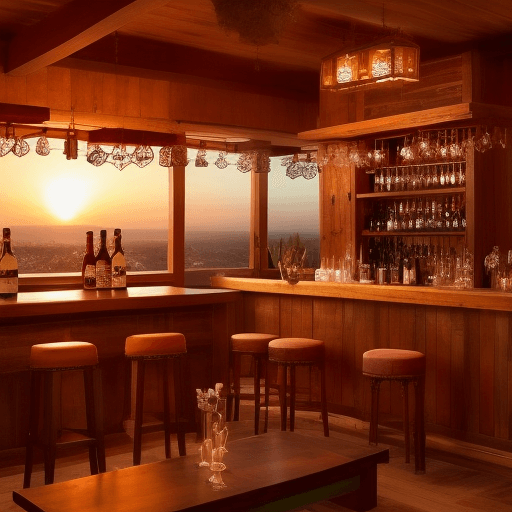
A. Proper storage conditions to maintain the quality of the tequila
Tequila must be stored in a cold, dark location away from heat sources and temperature swings in order to maintain its quality. Keep them upright to prevent the tequila from coming into contact with the cork, which could affect the taste.
B. Creative display ideas for showcasing your collection
When it comes to displaying your artistic tequila collection, think outside the box. Consider using floating shelves, shadow boxes, or even creating a dedicated tequila bar area in your home. The key is to find a display solution that complements your home’s décor while showcasing the beauty of your collection.
C. Caring for and cleaning your artistic bottles to preserve their beauty
To keep your artistic tequila bottles looking their best, handle them with care and clean them gently with a soft, damp cloth. Avoid using harsh chemicals or abrasive materials that could damage the delicate designs and finishes.
Now that you have a better understanding of the world of artistic tequila bottles, it’s time to start building your ultimate tequila bottle collection. Begin by exploring the links provided, such as the Tequila Bottle Skull, Tequila Bottle with Dragon, Tequila Bottle with Flower, and Tequila with Agave Plant in Bottle. These exquisite pieces are sure to inspire you and set you on the path to creating a stunning tequila bottle collection that you’ll be proud to display and share with others. Cheers!
Frequently Asked Questions (FAQ)
Q: What is the 1800 Tequila Artists Series?
A: The 1800 Tequila Artists Series is a collaboration between 1800 Tequila and various contemporary artists to create limited-edition, collectible bottles featuring unique, eye-catching designs. Each year, the company partners with a different artist, transforming the tequila bottle into a canvas that showcases the artist’s distinct style. Past collaborations have included artists like Jean-Michel Basquiat, Keith Haring, and Enoc Perez, making the 1800 Tequila Artists Series a favorite among both tequila enthusiasts and art collectors.
Q: What is the expensive tequila in a weird bottle?
A: “Expensive tequila in a weird bottle” could refer to any number of unique and costly tequila bottles that boast distinctive designs. For example, the AsomBroso La Rosa Reposado comes in a pink-tinged, vintage-inspired bottle reminiscent of an antique perfume container. Another example is the Alien Tequila, which features a bottle shaped like an extraterrestrial head. These bottles not only contain premium tequila but also serve as conversation pieces and collector’s items.
Q: Why do Mexican tequila bottles have a marble?
A: Some Mexican tequila bottles have a marble or glass ball stopper as a nod to traditional craftsmanship and a way to create an airtight seal. This type of closure, known as a “bung,” is both functional and visually appealing. The use of a marble or glass ball adds a touch of artisanal charm to the bottle, reflecting the cultural history and heritage of tequila production.
Q: What kind of alcohol is tequila?
A: Tequila is a distilled spirit made from the blue agave plant, primarily grown in the state of Jalisco, Mexico. The production process involves harvesting the agave plant’s heart, or “piña,” cooking it to convert its starches into sugars, and then fermenting the resulting juice. The fermented liquid is distilled, typically twice, to produce tequila. There are various types of tequila, including blanco (unaged), reposado (aged 2-12 months), añejo (aged 1-3 years), and extra añejo (aged over 3 years). Each type offers a distinct flavor profile, ranging from bright and fruity to rich and complex.
When we talk about tequila, we instantly think of its rich cultural history, bold flavors, and the essence of Mexico in every sip. However, as important as the spirit itself, are the unique and artistic tequila bottles that hold this liquid gold. Today, we embark on a fascinating journey through time, exploring the evolution of tequila bottles and their role in shaping the industry.
Early Tequila Bottles: Traditional and Practical
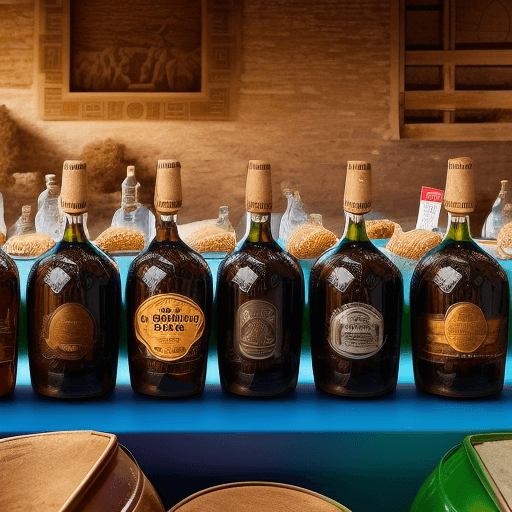
The first tequila bottles were designed to be functional and practical. Materials such as clay, leather, and glass were used to create simple, yet effective containers to transport and store the spirit. These early designs were a reflection of the cultural and historical context of the time, focusing on utility rather than aesthetics.
Influence of Mexican Culture and Traditions in Bottle Design
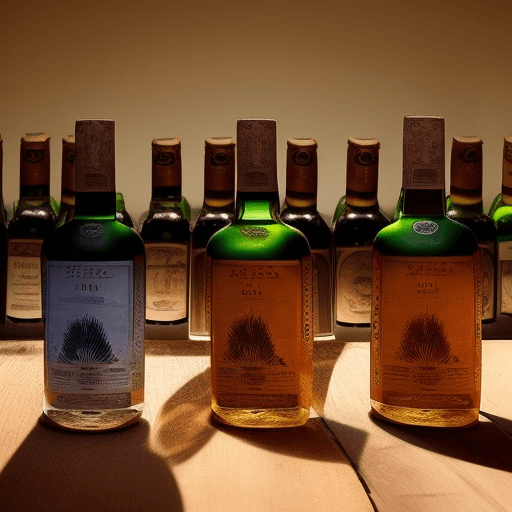
As the tequila industry evolved, so did the bottle designs. Mexican art, history, and folklore began to seep into the creative process, resulting in iconic bottles that showcased the essence of Mexico. One such example is Kah Tequila’s Day of the Dead-inspired skull bottles, which pay homage to the ancient tradition of honoring deceased loved ones.
The Emergence of Artistic Tequila Bottles
Over time, tequila bottles transformed from simple containers to stunning works of art. Unique shapes, intricate glasswork, and hand-painting techniques allowed distilleries to create eye-catching bottles that not only held their precious spirit but also told a story. This transformation marked a significant milestone in the development of artistic tequila bottles, turning them into collector’s items and conversation starters.
Innovations in Glassmaking Techniques and Materials
The evolution of artistic tequila bottles can also be attributed to advancements in glassmaking techniques, such as glassblowing, kiln casting, and etching. These innovations have allowed for the creation of intricate, detailed designs that were once unimaginable. Additionally, the use of sustainable materials and eco-friendly practices has played a crucial role in shaping modern tequila bottle production.
Iconic Tequila Bottles Through the Years
Throughout history, several iconic tequila bottles have emerged, each with its unique design and cultural significance. Clase Azul’s hand-painted ceramic bottles are known for their vibrant colors and exquisite patterns, while Milagro Select Barrel Reserve’s hand-blown glass bottles feature a striking agave plant inside the bottle. AsomBroso La Rosa Reposado, on the other hand, is easily recognizable by its pink-tinged, vintage-inspired design.

Two other noteworthy examples are the Tequila Bottle Skull and the Tequila Bottle with Dragon. Both of these bottles showcase incredible craftsmanship and attention to detail, truly embodying the spirit of artistic tequila bottles. Additionally, the Tequila Bottle with Flower and Tequila with Agave Plant in Bottle further demonstrate the creativity and innovation in bottle design.
The Impact of Tequila Bottle Designs on the Market
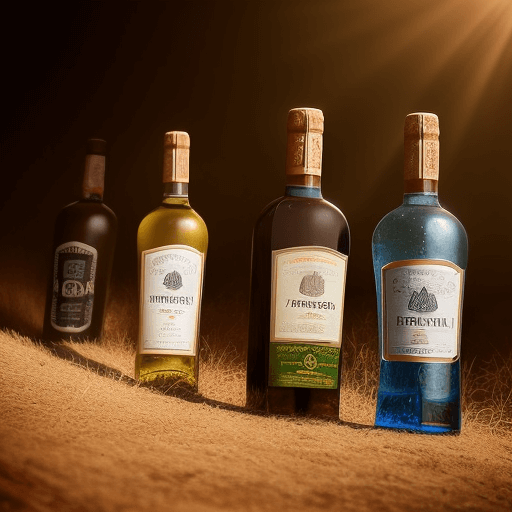
The rise of artistic tequila bottles has had a profound impact on consumer perception, brand identity, and premium pricing. Stunning bottle designs have elevated tequila from a mere spirit to an experience, often commanding higher price points and attracting collectors. In fact, tequila bottle collecting has become a popular hobby, with enthusiasts scouring the market for rare and unique designs to add to their collections.
As we conclude our journey through the history and evolution of tequila bottles, it’s
clear that these artistic creations have become an integral part of the tequila experience. They tell stories of Mexican culture, history, and craftsmanship, encapsulating the essence of the spirit they hold within. From the humble beginnings of practical, functional containers to the intricate works of art we see today, tequila bottles have come a long way.
As the tequila industry continues to grow and innovate, we can only expect more breathtaking designs and creative approaches to bottle design. In the competitive market, distilleries are looking to set themselves apart, and a unique, eye-catching bottle can make all the difference. The future of tequila bottles is bright, with the potential for even more artistic expression and cultural representation.
For those interested in exploring the world of tequila bottles further, Ingcho offers a wealth of resources and information on their blog. From building your ultimate tequila bottle collection to discovering the different shapes of glass bottles, Ingcho provides valuable insights for enthusiasts and casual fans alike.
Whether you’re a tequila aficionado, a bottle collector, or simply someone who appreciates the beauty of artistic craftsmanship, there’s no denying the allure and significance of these stunning containers. As we raise a glass to the evolution of tequila bottles, we can only imagine the innovative designs and cultural tributes that await us in the future. Here’s to the art of tequila, and the bottles that bring it to life. Cheers!
Frequently Asked Questions
When was tequila first bottled?
Tequila was first bottled in the late 19th century, around the 1860s. Prior to that, it was stored in barrels and transported in clay, leather, or glass containers. The introduction of glass bottles allowed for better preservation of the spirit and facilitated trade and distribution.
What is the history of tequila?
Tequila has a rich history that dates back to the 16th century when the Spanish arrived in Mexico. The indigenous people were already fermenting the sap of the agave plant to create a drink called pulque. The Spanish introduced distillation techniques, which led to the creation of the tequila we know today. Tequila is named after the town of Tequila in the state of Jalisco, where it was first produced.
Why do tequila bottles have tequila in the cap?
Some tequila bottles feature a small amount of tequila in the cap as a marketing technique or to provide a unique design element. This feature is often seen in artistic tequila bottles, where the cap may be shaped like a shot glass or a miniature container, allowing for a small sample of the spirit without opening the main bottle. It can be a fun and creative way to showcase the tequila while also providing a conversation starter.
What is the cultural significance of tequila?
Tequila holds great cultural significance in Mexico, representing its rich history, traditions, and craftsmanship. The spirit is made from the blue agave plant, which is native to Mexico and has been used by indigenous people for centuries. Tequila has become synonymous with Mexican culture and is often associated with celebrations, rituals, and special occasions. The artistry and creativity found in tequila bottle designs further highlight the cultural pride and identity associated with this iconic spirit.
- Tequila bottle design can lift perceived value fast, and many buyers will pay up to ~40% more for premium-looking packaging.
- The market is growing, but it is also maturing, so distinct shapes + clear brand story matter more than “loud” gimmicks.
- Tall bottles, sculptural shoulders, and tactile embossing are still winning in premium tequila.
- Sustainability is now a design feature: recycled glass, lightweighting, and fewer labels can still feel luxury.
- Collectible shapes (skull, dragon, rifle) can sell well for gifting, but taste-first buyers prefer clean, honest bottles.
- Strong results come from designing for manufacturing early: neck finish, wall thickness, label zones, and carton fit.
Why tequila bottle design decides the first 5 seconds
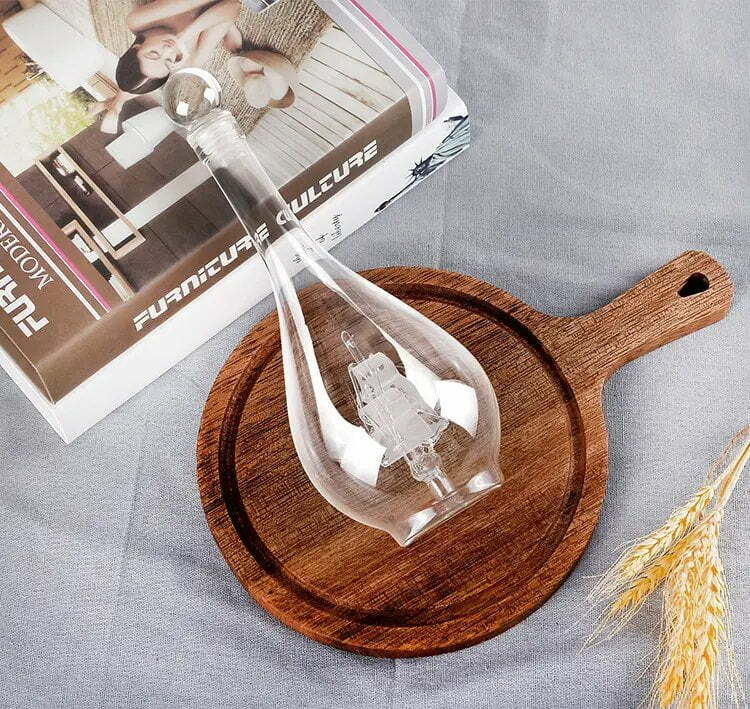
Shelf time is short. Buyers judge fast. A tequila bottle can feel “cheap” or “premium” before anyone reads the label. That first look sets the price ceiling. Many brands see higher willingness to pay when the bottle looks heavy, clean, and intentional.
Design also works as a silent salesperson. A tall neck signals luxury. A wide base signals stability. A sharp shoulder can look modern. A soft curve can feel friendly. Small details add trust, like a clean seam line, a tight closure fit, and a label that sits flat.
If you plan to stand out in a crowded shelf, build a clear idea of your “hero shape” early. You can also learn from proven forms in luxury bottle shapes that balance elegance and use and study the different shapes of glass bottles to pick a silhouette that fits your price point.
Market growth in 2026 is real, but the fight is harder

Tequila keeps growing, but it feels more disciplined now. Global volume reached about 415.4M liters in 2023 and may hit 594.7M liters by 2030. In the U.S., value was about $9.5B in 2025, with forecasts pushing higher in the next decade. Premium still leads the story, but volume growth has slowed after the boom years.
This shift changes packaging strategy. In boom times, “good enough” bottles sold. In a stable market, the bottle must earn its shelf space. RTD tequila cocktails also pull new drinkers in, which makes gifting and display more important.
A smart move is to design a platform bottle that can support reposado, añejo, and special editions without changing the whole mold. That keeps cost stable and speeds launches. For portfolio planning ideas, browse tequila bottle designs and inspiration from artistic tequila bottles.
Premium tequila still loves tall, sculptural silhouettes
Luxury tequila often uses height as a signal. Tall bottles look expensive in retail and pop in nightclub backbars. That is why long necks and slim bodies stay common in super-premium. But a tall bottle must still pour well and survive shipping.
A strong 2026 approach is “soft geometry.” Think clean panels, rounded edges, and a stable base. It feels modern without looking cold. Many brands also use a “platform silhouette,” where the main body stays the same while the label and closure change by SKU. That keeps your shelf look consistent.
If you want a collectible feel, a globe shape or hero decanter style can help, as long as it matches the tequila quality story.
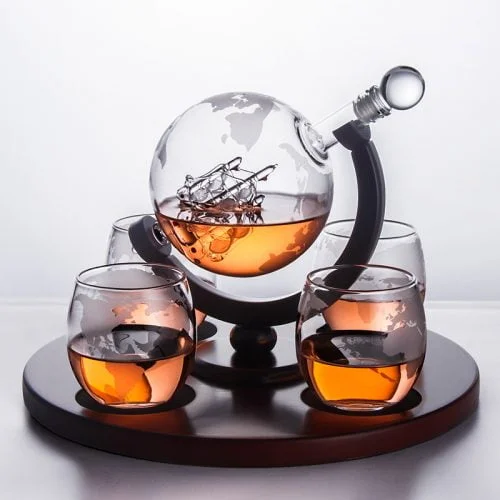
More silhouette options sit inside custom glass bottle collections and glass decanter categories.
Tactile branding is replacing loud labels
In 2026, many tequila buyers want a bottle that “feels real” in the hand. Tactile cues do that. Embossed agave patterns, raised logos, textured ribs, and debossed stamps look premium and survive ice buckets better than fragile paper labels.
Tactile design also helps with anti-counterfeit. A copycat can print a label. It is much harder to copy a clean emboss, a custom punt shape, and a signature shoulder mark. You can also add a small icon system that ties back to origin, agave, or your distillation style.
If you want long-lasting branding options, explore borosilicate decanter branding options and learn how bottles move from idea to finished glass in OEM/ODM decanter design to production. Even if you use soda-lime glass, the same decoration logic applies.
Sustainable tequila bottle design can still feel luxury
Sustainability is no longer a side note. Many buyers now expect it. The good news: eco upgrades can improve design. Recycled glass content can cut energy use, and lightweighting reduces shipping cost. The key is to keep the “hand feel” premium while trimming wasted weight.
A common trick is to keep mass in the base and reduce thickness in the upper body. That keeps stability while lowering total weight. You can also shift from heavy label coverage to direct print or smaller front labels.
If your brand wants a clean, high-clarity story, borosilicate can be a premium option for special runs or gift sets. It has strong performance and long-term clarity benefits. Learn the tradeoffs in borosilicate vs soda-lime glass comparison and the eco angle in borosilicate glass environmental advantages. Safety messaging matters too, so reference lead-free borosilicate glass safety benefits.
Clarity and color can make tequila look “cleaner”
Tequila is visual. Clear bottles show natural color. Warm tints can make reposado look richer. Frosted zones can hide fill lines and add grip. Small color choices change how buyers judge quality.
Ultra-clear glass sends a “pure and premium” signal. It also works well with additive-free positioning, since the spirit looks honest. Many brands avoid heavy green or dark amber for tequila because it can hide the liquid and reduce trust for first-time buyers.
If you want high clarity, your glass spec matters. Surface quality, bubbles, and haze can ruin the luxury look. For technical guidance, use borosilicate glass long-term clarity and optical advantage and ideas on color styling from decanter glass colors and whisky appeal (the same psychology applies to tequila).
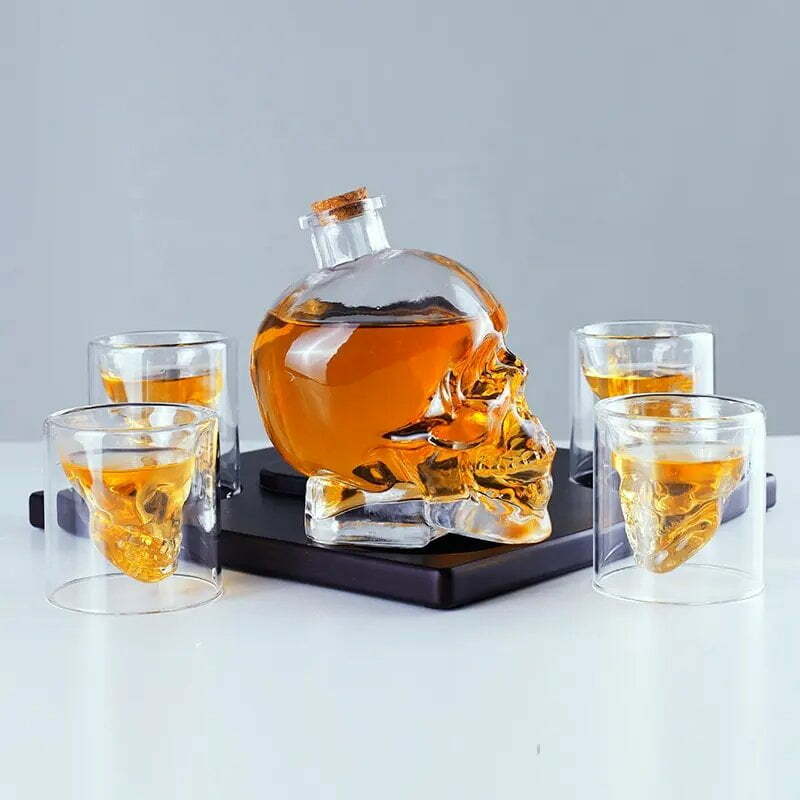
Closures and neck finish decide the pour experience
A great tequila bottle can still fail if it pours badly. Neck design controls drip, splash, and speed. Closure choice affects shelf life and brand feel. Bar-top corks look premium and work well for gifting. Screw caps win on consistency and fast service. Synthetic stoppers can reduce leakage risk in hot shipping lanes.
For premium tequila, many brands like a tight, clean top that feels solid. A loose cork feels cheap. A cap that scratches or chips hurts reviews fast.
If you sell into duty-free or heavy retail, think about tamper evidence and reclose feel. If you plan for special editions, make sure your neck finish can support different closures without remaking the whole mold. That is part of smart platform design.
For functional design ideas, reference what a whiskey decanter is used for and build a bottle spec checklist with glass bottle molds and prototypes.
Decoration choices that survive bars, ice, and shipping

Tequila bottles live a hard life. They get chilled, wiped, and moved fast. If your label tears or your ink rubs off, the bottle looks old in one week. That kills repeat buys.
Durable decoration options include:
- Emboss / deboss on the glass for permanent branding
- Direct-to-glass printing for clean, modern looks
- Hot stamping used lightly for premium highlights
- Etching for subtle, collectible detail
- Shrink sleeves for bold art, but choose high-quality film
A clean design often uses fewer elements, not more. Let the shape do the work. If you need extra storytelling, a QR code can help, but keep it small and tidy.
You can compare branding paths in custom bottle designs for brand personality and practical buyer guidance in unique glass bottles wholesale.
Heritage-first tequila bottle design builds trust fast

Tequila fans can be strict. Many hate bottles that look “all show.” A clean heritage cue can win them fast: a simple label zone, honest glass, and a form that feels rooted in Jalisco culture. Small details work better than loud shapes.
Good heritage signals include:
- Agave-inspired embossing
- Natural cork or bar-top closure
- Clear glass with minimal coatings
- Strong grip zones for easy pour
- Symbol marks that tie to production style
This style fits additive-free messaging and agave-forward taste notes. It also ages well, so your design still looks right after five years.
If you want your story to feel real, align the shape with your tequila type and your sourcing message. Supporting content can help buyers learn the craft side too, like what is agave tequila and types of agave used for tequila production. For design direction, use unveiling the art of tequila bottle design.
Novelty shapes sell gifts, but they can backfire
Skulls, dragons, and rifle shapes can explode on social media. They work well for gifting, clubs, and “collectible” drops. But tequila enthusiasts often judge these as novelty first. If the liquid does not match the price, reviews get harsh. People call them “flex bottles.”
The best path is balance. Use a bold shape, then add two trust anchors: clean glass quality and clear product positioning. Keep the design easy to hold. Avoid fragile thin parts that crack in transit.
Here are three novelty styles that can work if you execute them well:


For sourcing reality checks, review gun shaped bottle sourcing guide and collector context in AK-47 tequila bottle collector guide.
Design for manufacturing to avoid cost traps
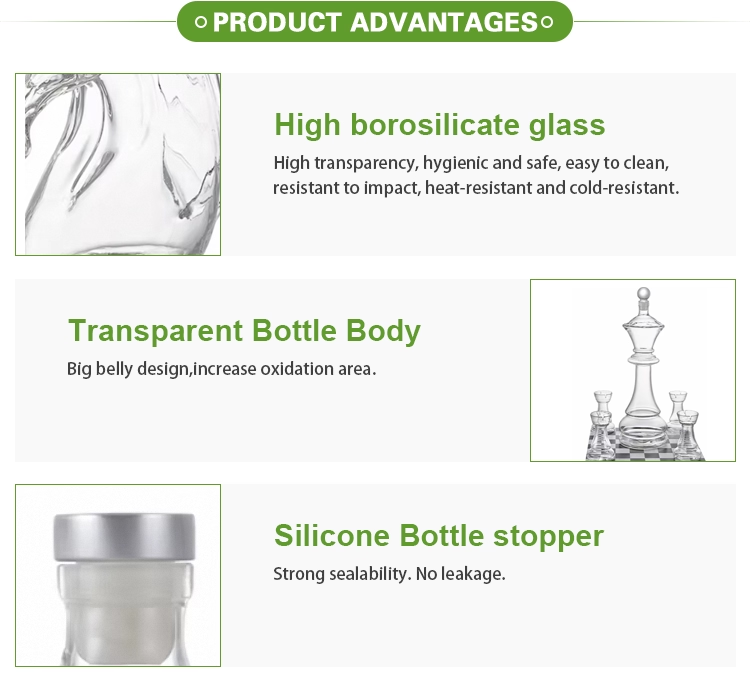
A design can look perfect on paper and fail in production. Mold lines, glass flow, and cooling all affect real output. Small changes can cut defect rates a lot. You want a shape that looks premium but runs stable on the line.
Key design rules that save money:
- Keep label zones flat enough for clean application
- Avoid ultra-sharp corners that create stress points
- Use a neck finish that fits standard closures
- Plan a safe wall thickness for strength
- Design for carton fit and pallet stability
Prototypes matter. A 3D print helps, but a glass sample reveals real weight, balance, and pour. It also shows how your decoration looks under real light.
If you want fewer surprises, use prototype custom bottle development and study how to vet supplier production capabilities before paying for tooling.
Choosing China suppliers for premium tequila bottles

China can deliver high-end bottle work when you choose the right factory type. Some suppliers excel at borosilicate craftsmanship, some at mass soda-lime production, and some at deep decoration. Your supplier choice should match your design risk level.
If you source sculptural shapes, you want strong mold engineering and stable QC. If you source a platform bottle, you want consistency and fast cycle times. If you source gift sets, you want assembly experience and safe packing.
Regional differences matter too. Hebei and Guangdong can feel very different on speed, cost, and style. Learning this early saves months. Use these guides to map your approach:
- China glass factory visit guide
- Top glass manufacturing regions for borosilicate decanters
- Hebei vs Guangdong borosilicate suppliers
If timing matters, check best time to source decanters in China for planning around production seasons.
QC, packaging, and shipping that protect premium glass

A luxury tequila bottle must arrive perfect. One scratch or a loose closure can ruin the unboxing moment. Your QC plan should match your price point. For premium projects, check clarity, bubbles, seam alignment, weight tolerance, closure fit, and decoration rub resistance.
Packaging also matters as much as the bottle. Use strong dividers, tight inserts, and drop-tested cartons. For gift sets, consider a stand or foam that locks the bottle in place. If your bottle has a tall neck or a narrow base, add extra support inside the box.
Shipping tips that reduce breakage:
- Strong master cartons with corner crush strength
- Consistent pallet wrap and edge protectors
- Vibration testing for long routes
- Leak checks after heat exposure
Safety messaging helps too. For technical confidence, reference heat and chemical resistance for alcohol storage and confirm material safety with lead-free glass decanter wholesale guidance. For resale-ready sets, explore barware gift set options.
Frequently Asked Questions (FAQ)
What tequila bottle shape sells best in premium retail?
Tall, clean silhouettes win most often because they look expensive from far away. A stable base and a simple label zone help too. Platform silhouettes also work well because they keep your range consistent. For proven inspiration, review luxury bottle shapes and explore tequila bottle designs.
Do novelty bottles (skull, dragon, rifle) help sales?
They can boost gifting and social buzz. But they can also trigger “flex bottle” comments if the tequila taste does not match the look. Keep the bottle easy to hold, and make sure quality cues feel real. If you plan this style, start with gun shaped bottle sourcing to avoid bad tooling choices.
Is borosilicate glass a smart option for tequila bottles?
It can be a premium differentiator, especially for limited drops and gift sets. It offers strong clarity and good chemical stability. Cost and production method matter, so compare materials with borosilicate vs soda-lime glass and review why borosilicate decanters for performance basics.
How do I avoid design defects before mass production?
Prototype early and design for manufacturing limits. Watch for thin corners, sharp transitions, and complex undercuts. Confirm neck finish and closure fit before tooling locks in. A strong start is glass bottle molds and prototypes plus prototype custom bottle development.
What decoration lasts best in bars and ice buckets?
Embossing and debossing last the longest because the branding is part of the glass. Direct-to-glass printing can also last well when the ink system is correct. Thin paper labels often fail first. For options, see borosilicate decanter branding options and custom bottle designs for brand personality.
How do I choose the right China supplier for premium bottles?
Match the supplier to your design risk. Complex shapes need strong mold engineering and tight QC. Platform bottles need stable output and repeat consistency. Always review capacity and process proof before payment. Start with how to vet supplier production capabilities and plan a visit using China glass factory visit guide.
What bottle size should I choose for tequila brands?
Most brands stay with standard sizes for shelf fit and shipping efficiency. Special editions can use larger formats for gifting. Your size choice also affects carton design and freight cost. For size planning, use ultimate guide to tequila bottle sizes and glass bottles of various sizes.
How many units should I order for a first run?
Start with a MOQ that fits real sales channels, not hope. If the design is high risk or very custom, keep the first run conservative and focus on stable QC. If you want a safer launch path, study OEM/ODM design to production and timing guidance from best time to source in China.
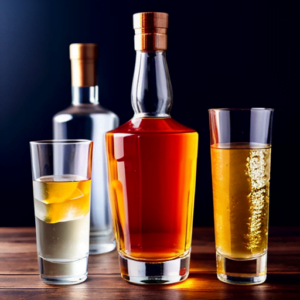
Vodka is a beloved spirit enjoyed by people of all ages and backgrounds. Whether you’re hosting a party, enjoying a nightcap, or looking to unwind after a long day, understanding how to serve and pour vodka correctly can enhance your drinking experience.
This post will explore vodka bottle etiquette, including selecting the right vodka, serving at the proper temperature and glassware, opening and pouring techniques, and tips for serving vodka to guests. By the end of this article, you’ll be equipped with the knowledge to impress your friends and family with your vodka-serving skills.
I. Selecting the Right Vodka
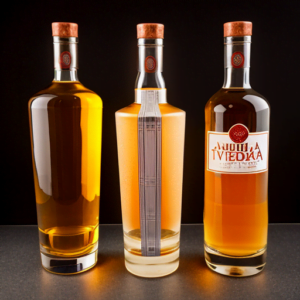
The quality of vodka is crucial for an enjoyable drinking experience. Choose a vodka made from high-quality ingredients, like grains or potatoes, that have been distilled multiple times for a smooth taste. Avoid vodkas with additives or flavors, as they can affect the taste and quality of the spirit.
Consider the brand reputation. Some vodka brands are known for their high quality and attention to detail in distilling. Please research and read reviews to find a highly regarded brand for their vodka.
By choosing a good quality vodka, you’ll be able to enjoy a more refined and enjoyable drinking experience. So, the next time you’re at the liquor store, consider these tips when selecting your vodka.
II. Proper Temperature for Serving Vodka
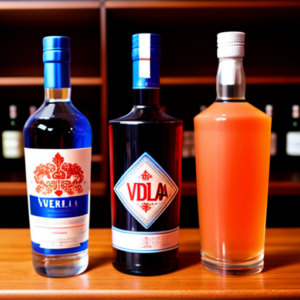
Serving vodka at the correct temperature can enhance its taste and aroma. Chill vodka but avoid freezing it. The ideal serving temperature is between 8-10 degrees Celsius (45-50 degrees Fahrenheit), achieved by placing the bottle in the refrigerator or freezer for at least an hour. Avoid over-chilling, as it can dull the taste and aroma.
If the vodka has been in the freezer for an extended period, allow it to sit at room temperature for a few minutes before serving.
You’ll fully appreciate its unique taste and aroma by serving vodka at the proper temperature. So, the next time you do vodka, remember these temperature tips to ensure a perfect pour.
III. The Right Glassware for Serving Vodka
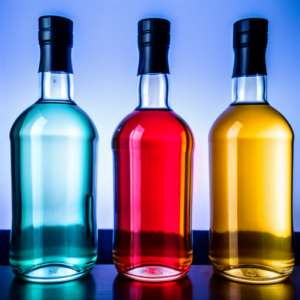
The choice of glassware can affect the taste and aroma of vodka. Use a tall, narrow glass to preserve the vodka’s aroma and taste. Avoid wide, shallow glasses that can cause loss of flavor. Thick-based glasses can keep the vodka cold longer, and glasses with stems or handles prevent warming by hand.
By selecting the right glassware for serving vodka, you’ll be able to appreciate its unique taste and aroma fully. So, next time you serve vodka, remember these glassware tips to elevate your drinking experience.
IV. Opening a Vodka Bottle
Properly opening a vodka bottle can avoid spills and mishaps. Cut away the foil or plastic wrap at the bottle’s top, check the seal for tampering, and twist the cap counterclockwise to remove it. Hold the bottle at a slight angle and pour slowly to avoid spills.
By opening a vodka bottle correctly, you can confidently serve it and avoid any accidents or spills.
V. Pouring Vodka
Pouring vodka requires control and precision to avoid over-pouring and spills. Hold the bottle at a slight angle and pour slowly, measuring your pour if needed using a jigger or shot glass.
VI. Serving Vodka to Guests
Serving vodka to guests requires proper etiquette. Offer a variety of mixers like soda, juice, or tonic water, and ensure the glassware is clean.
Avoid over-serving. When serving vodka, avoid over-serving your guests. Instead, offer smaller pours and encourage them to savor the flavor.
Be mindful of alcohol consumption. As a host, it’s important to be mindful of your guests’ alcohol consumption. Offer non-alcoholic beverages and food to help keep them hydrated and satiated.
By serving vodka with proper etiquette, you’ll create an enjoyable and comfortable atmosphere for your guests.
Serving and pouring vodka correctly is essential for an enjoyable drinking experience. Choose high-quality vodka, serve at the proper temperature, use the right glassware and techniques, and serve guests with proper etiquette and mindfulness. With these tips, you can elevate your vodka game and impress your guests.
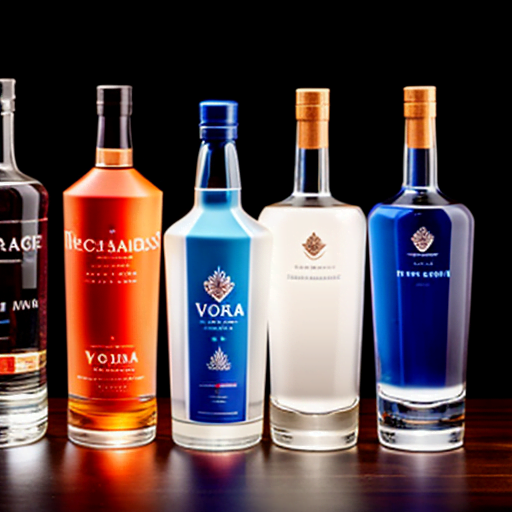
Vodka enthusiasts usually concentrate on the taste or brand when selecting a bottle of an alcoholic beverage. However, the shape of the bottle can also play a significant role in shaping a consumer’s perception of the liquor. Understanding the meanings behind various vodka bottle shapes can enable consumers to make more informed choices and appreciate the cultural and historical contexts influencing bottle designs.
This article delves into the significance of vodka bottle shapes and why they matter. It traces the evolution of vodka bottle shapes over time and the cultural and historical factors that have influenced their design. The article also explores the meanings and connotations of different vodka bottle shapes and how they impact consumer perception of the liquor. Finally, it examines the factors that influence the design of vodka bottles, such as branding, marketing, and cultural symbolism.
History of Vodka Bottle Shapes
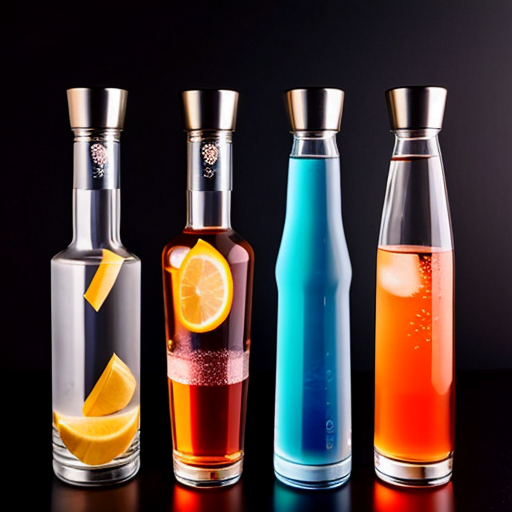
The history of vodka bottle shapes is a product of cultural and historical contexts. Initially, vodka bottles were simple and functional, meant to store liquor and withstand transportation. However, with vodka’s increasing popularity and consumption, bottle designs became more elaborate and reflective of cultural influences. In Russia, vodka bottles in the 18th and 19th centuries had onion dome shapes, reflecting the influence of Russian Orthodox churches. In Poland, vodka bottles were adorned with intricate designs and patterns, reflecting the country’s rich cultural heritage. In the 20th century, vodka bottle designs became more streamlined and modern, reflecting changing cultural and social attitudes. The popularity of vodka in Western countries led to new designs that catered to Western tastes and preferences.
Today, vodka bottle designs continue to evolve, reflecting the cultural and social contexts in which they are produced. Some brands emphasize tradition and history, while others focus on modernity and innovation. By understanding the history of vodka bottle shapes, consumers can appreciate the cultural significance behind the design and make more informed choices about the vodka they consume.
Popular Vodka Bottle Shapes and Their Meanings
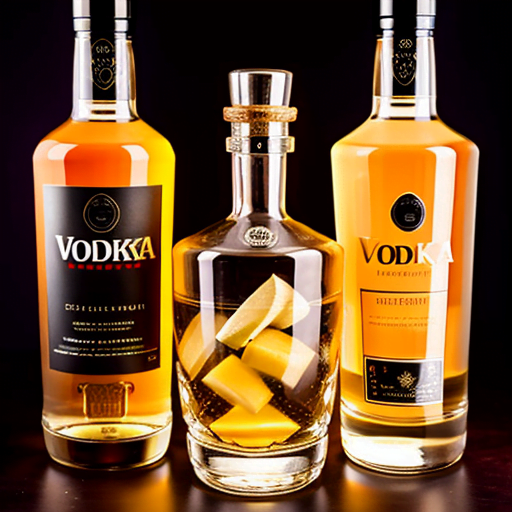
Vodka bottles come in various shapes, each with unique meanings and connotations. Tall and slim vodka bottles are often associated with elegance, sophistication, and luxury, making them a common choice for high-end brands that convey exclusivity and refinement. On the other hand, short and stout vodka bottles are often associated with boldness, strength, and power, making them a common choice for brands that want to emphasize the quality and intensity of their vodka. Rounded vodka bottles are often associated with purity, simplicity, and smoothness, making them a common choice for brands that want to emphasize the purity of their vodka and its smooth taste. Some vodka bottles have unconventional shapes, such as skulls or animal figurines, often used by brands that want to stand out and make a bold statement. However, it’s important to note that these associations are not fixed and can vary depending on the brand and cultural context. Additionally, some brands may use bottle shapes more reflective of their marketing and branding strategies than any inherent meaning or symbolism.
Factors Influencing Vodka Bottle Shapes
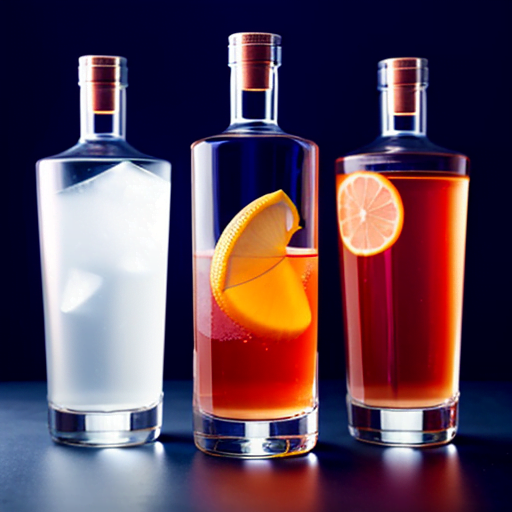
Several factors can influence the design of vodka bottles, including marketing, branding, Functional considerationsand cultural symbolism. For example, the shape of the bottle can be an effective way to distinguish a brand from its competitors and convey a specific image or message. Cultural symbolism can also influence the bottle’s design, reflecting a specific culture or tradition. Moreover, the bottle’s design must be functional, hold the vodka securely, and withstand transportation without breaking.
Marketing
Understanding vodka bottle shapes and their meanings can also be a marketing tool. Brands can create unique and distinct bottle shapes that cater to their target audience and convey a specific message or image. For instance, a brand targeting a younger demographic may opt for an unconventional and eye-catching bottle shape, while a brand targeting a more traditional demographic may opt for a more classic and refined bottle shape.
Brand
Vodka bottle shapes can also reflect a brand’s values and history. Brands with a long and rich history may incorporate traditional cultural motifs into their bottle designs to showcase their heritage and authenticity. On the other hand, newer brands may opt for more modern and innovative bottle designs to appeal to a younger and trendier demographic.
Functional considerations
While the shape of the bottle can be important for marketing and branding purposes, it also needs to be functional. The bottle needs to hold the vodka securely and withstand transportation without breaking. Some shapes may be more practical than others, depending on the size and weight of the bottle.
Sustainability
In addition to marketing and branding purposes, vodka bottle shapes can also impact sustainability efforts. With the increasing awareness of environmental issues, brands can create bottle designs that are both aesthetically pleasing and eco-friendly. For instance, a brand can use recycled materials to create its bottle design or incorporate a refillable feature to reduce waste.
Why Vodka Bottle Shapes Matter
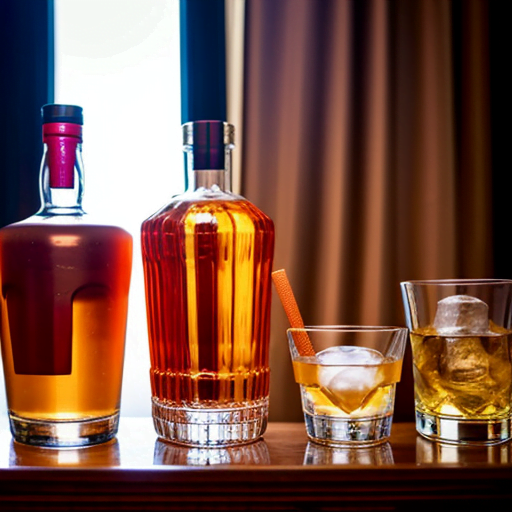
The shape of a vodka bottle can significantly impact a consumer’s perception of the liquor, conveying specific meanings and associations that influence a consumer’s purchase and consumption of vodka. Understanding the history, meanings, and influences behind vodka bottle shapes can enable consumers to make more informed choices and appreciate the cultural significance behind the design. Brands can also use the bottle’s design to convey a specific image or message, stand out from competitors, and create effective marketing strategies that appeal to their target audience. They can incorporate cultural symbolism and functional considerations into the design, creating an aesthetically pleasing and practical bottle.
In conclusion, vodka bottle shapes are not just a design feature but also a reflection of cultural, historical, marketing, and sustainability influences. Understanding the significance of vodka bottle shapes can enhance the appreciation of the vodka-drinking experience and enable consumers to make more informed choices. Meanwhile, brands can use the bottle’s design as a marketing tool, reflecting their values, catering to their target audience, and addressing sustainability concerns.
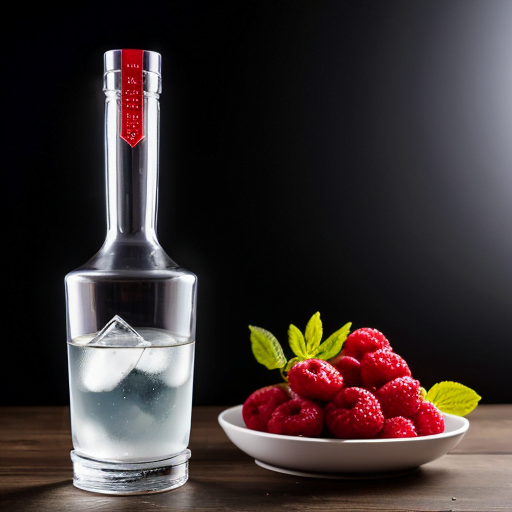
Vodka is a popular liquor that many people enjoy. Whether you like it straight, mixed into a cocktail, or as a base for homemade infusions, you want your vodka to taste its best whenever you open the bottle. That’s why proper storage is crucial to maintaining the quality and freshness of your vodka.
In this article, we’ll discuss the best practices for storing vodka to ensure it stays fresh and tasty for as long as possible. We’ll cover the factors that can affect vodka freshness, such as light, temperature, and air exposure, and explain how to store your vodka to minimize these risks. We’ll also answer some common questions about vodka storage, such as whether it’s okay to store vodka in the freezer or plastic containers.
Following the tips and techniques outlined in this article, you can keep your vodka tasting tremendous and get the most out of every bottle. So, let’s dive in and explore the world of vodka storage!
Understanding Vodka
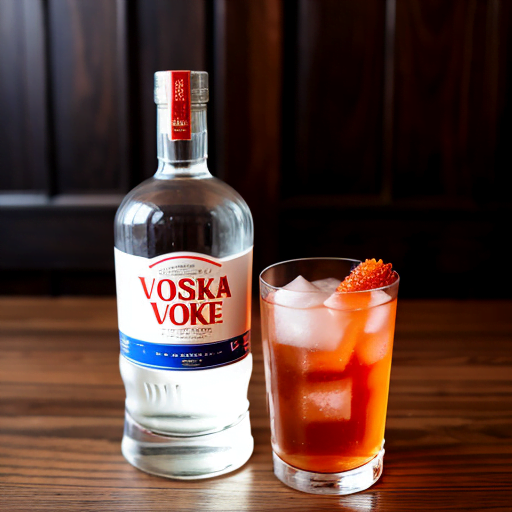
To properly store vodka, it’s helpful to understand what it’s made of and how it’s produced. Vodka is typically made from grain, potatoes, or other starchy plants that are fermented and distilled to create a neutral-tasting spirit. Unlike other spirits like whiskey or rum, vodka is not aged in barrels and is typically bottled soon after distillation.
The production process and ingredients used can have an impact on the shelf life of the vodka. For example, vodka made from potatoes may have a shorter shelf life than vodka made from grains, as it tends to spoil more quickly. Additionally, some vodkas may contain additives or flavors that can affect their stability over time.
One of the most important factors affecting vodka’s freshness is its alcohol content. Vodka typically has a high alcohol content, which acts as a preservative and helps to prevent spoilage. However, if the alcohol content drops too low, the vodka can spoil and develop off-flavors.
It’s also worth noting that while vodka is a relatively stable spirit, it can still be affected by environmental factors such as light, temperature, and air exposure. In the next section, we’ll discuss these factors in more detail and explain how to minimize their impact on your vodka.
Factors Affecting Vodka Freshness

Several environmental factors can affect the freshness and quality of vodka over time. Understanding these factors is crucial to properly storing your vodka and preventing spoilage. Let’s take a closer look at each of these factors:
1) Light:
Exposure to light can cause vodka to deteriorate over time, as it can break down the alcohol and other compounds in the liquor. Store your vodka in a cool, dark place, such as a pantry or cabinet, to minimize light exposure. Avoid placing your vodka near windows or other sources of natural light.
2) Temperature:
Extreme temperatures can also affect the freshness of vodka. High temperatures can cause the alcohol to evaporate and lead to off-flavors, while low temperatures can cause the vodka to freeze and potentially break the bottle. It’s best to store vodka at a consistent temperature between 50-70 degrees Fahrenheit (10-21 degrees Celsius).
3)Air exposure:
Oxygen can also cause vodka to deteriorate over time. When vodka is exposed to air, it can oxidize and develop off-flavors. To prevent air exposure, ensure your vodka bottle is tightly sealed and avoid storing it in a partially empty bottle.
Proper Vodka Storage Techniques
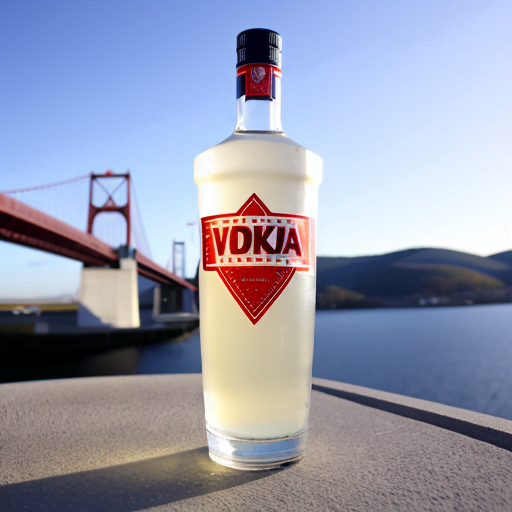
Now that we’ve discussed the factors that can affect vodka freshness let’s dive into some best practices for storing your vodka:
1) Store vodka in a cool, dark place:
Light can cause vodka to deteriorate over time. It’s best to store your vodka in a cool, dark place, such as a pantry or cabinet, to minimize light exposure.
2) Keep the temperature consistent:
Extreme temperatures can also affect the quality of the vodka. It’s best to store vodka at a consistent temperature between 50-70 degrees Fahrenheit (10-21 degrees Celsius). Avoid storing vodka in the freezer, as this can lead to fluctuations in temperature that can harm the quality of the vodka.
3) Store vodka upright:
While some types of liquor are best stored on their side, vodka should be stored upright. This helps prevent the cork or cap from deteriorating and potentially contaminating the vodka.
4) Keep the bottle tightly sealed:
Exposure to air can cause vodka to deteriorate and develop off-flavors. Ensure the bottle is tightly sealed after each use to prevent air exposure.
5) Avoid storing vodka in plastic containers:
Plastic can react with it and cause it to develop off-flavors. It’s best to store vodka in glass bottles, which are non-reactive and won’t affect the taste of the liquor.
Frequently Asked Questions
1) Can you store vodka in the freezer?
Yes, vodka can be stored in the freezer. However, this can lead to fluctuations in temperature that can harm the quality of the vodka. It’s best to store vodka at a consistent temperature between 50-70 degrees Fahrenheit (10-21 degrees Celsius).
2) Can you store vodka in plastic containers?
It’s not recommended to store vodka in plastic containers, as plastic can react with it and cause it to develop off-flavors. It’s best to store vodka in glass bottles, which are non-reactive and won’t affect the taste of the liquor.
3) How long can vodka be stored?
Vodka has a long shelf life and can be stored properly for several years. However, the quality and taste of the vodka may deteriorate over time. It’s best to consume vodka within a few years of the production date for optimal freshness and flavor.
Proper storage is essential to maintaining the quality and freshness of your vodka. By understanding the factors that can affect vodka freshness and following some best practices for storage, you can help ensure that your vodka stays delicious and enjoyable for as long as possible.
Remember to store vodka in a cool, dark place at a consistent temperature, keep the bottle tightly sealed, store it upright in a glass bottle, and avoid storing it in the freezer or plastic containers. By taking these steps, you can help minimize the impact of environmental factors and keep your vodka fresh and flavorful.
We hope this article has provided you with valuable information on how to store your vodka properly. Following the tips and techniques outlined here, you can get the most out of every bottle and enjoy your vodka to the fullest. Cheers!
Key Takeaways
- Standard vodka bottle (750ml) contains approximately 17 shots
- Most common sizes range from 50ml (mini) to 1.5L (magnum)
- Larger bottles (3L+) are typically used for special events
- Size selection depends on purpose (personal use, parties, events)
- Storage requirements vary by bottle size
- Cost-effectiveness typically increases with bottle size
| Aspect | Details |
|---|---|
| Most Common Size | 750ml (Standard Bottle) |
| Best Value | 1.75L (Handle) |
| Party Recommendation | 1.5L (Magnum) |
| Sampling Size | 50ml (Mini) |
| Storage Duration | Unopened: Indefinite, Opened: 12+ months |
| Professional Bar Standard | 750ml |
| Cost Efficiency | Larger bottles generally offer better value per ml |
| Popular Sizes Range | 50ml to 1.75L |
| Standard Shot Yield (750ml) | ~17 shots |
| Event Size Guide | <20 people: 750ml, 20-40 people: 1.5L, 40+: Multiple 1.75L |
The Evolution of Vodka Bottle Sizing
The history of vodka bottle sizes traces back to traditional measurement systems. Over time, manufacturers standardized their offerings to meet various consumer needs and regulatory requirements. Today’s sizing system reflects a balance between practical usage, storage considerations, and serving traditions.
Link: Custom Bottle Designs – Unleash Your Brand’s Personality
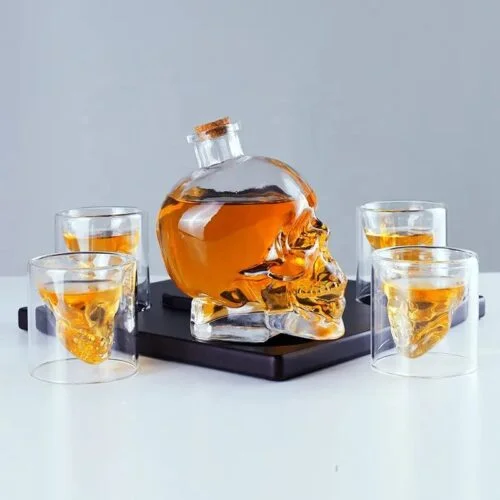
Understanding Mini Bottles (50ml)
Mini bottles, often called “nips,” serve multiple purposes in the vodka market. These portable sizes are perfect for sampling premium brands without significant investment. Airlines commonly use these bottles for in-flight service, and they’re popular as party favors or collectibles. As an expert bartender, I’ve found these particularly useful for creating tasting flights for customers new to premium vodkas.
Link: Glass Bottles of Various Sizes and Shapes
Half Pint and Pint Sizes (200ml – 375ml)
These intermediate sizes bridge the gap between samples and full bottles. The half pint (200ml) offers about 4.5 shots, making it ideal for small gatherings or as an introduction to new brands. The pint (375ml) doubles this capacity, providing enough for a small party while maintaining portability. In my experience organizing events, these sizes work perfectly for intimate dinner parties of 4-6 people.
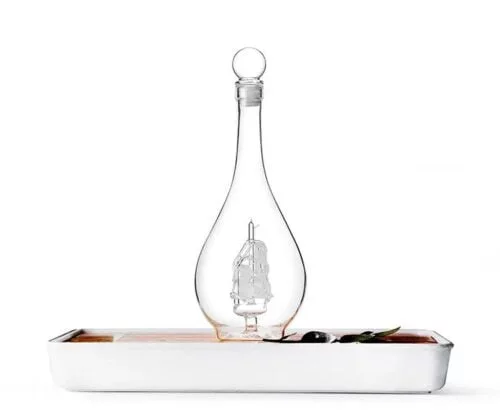
The Standard Bottle (750ml)
The 750ml bottle has become the industry standard for good reason. It provides approximately 17 standard shots, making it cost-effective for regular consumers while remaining manageable in size. This size originated from the traditional “fifth” measurement (one-fifth of a gallon) and has become the benchmark against which other sizes are compared.
Link: How to Properly Store Your Vodka Bottle
Liter Bottles (1000ml)
The liter bottle offers excellent value for those who entertain regularly. With roughly 22 shots per bottle, it’s more cost-effective than the standard size while remaining manageable for home storage. From my years in the industry, I’ve noticed this size gaining popularity in markets where value consciousness meets entertaining needs.
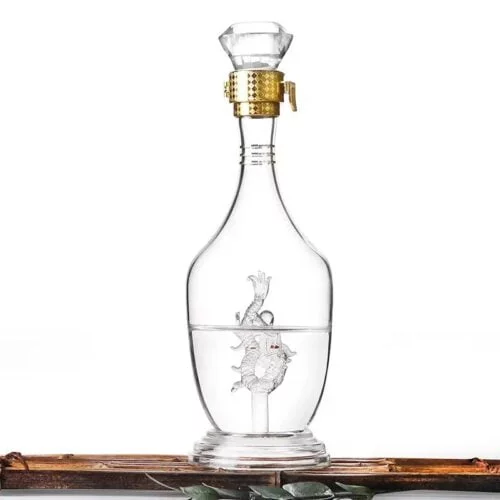
The Handle (1.75L)
Often called a “handle” due to its integrated grip, the 1.75L bottle represents the sweet spot for value-conscious consumers and high-volume operations.
Value analysis:
- 40% more cost-effective than standard bottles
- Reduced packaging waste
- Lower transportation costs
- Improved storage efficiency
Link: Glass Bottle Molds and Prototypes
Event Sizes: Magnum and Beyond
Larger format bottles serve specific purposes in the vodka market:
- Magnum (1.5L): Perfect for medium-sized events
- Jeroboam (3L): Ideal for large gatherings
- Methuselah (6L): Statement pieces for major events
- Salmanazar (9L): Promotional displays
- Nebuchadnezzar (15L): Grand celebrations

Professional Storage Solutions
Proper storage becomes increasingly critical as bottle size increases.
Temperature control:
- Maintain consistent 55-60°F (13-16°C)
- Avoid temperature fluctuations
- Protect from direct sunlight
- Ensure proper ventilation
Link: How to Properly Store Your Vodka Bottle
Cost Analysis and Value Optimization
Understanding cost-per-ounce across different sizes helps optimize purchasing decisions:
| Size | Cost per oz (relative) | Best for |
|---|---|---|
| 50ml | 200% | Sampling |
| 375ml | 150% | Small gatherings |
| 750ml | 100% | Standard use |
| 1.75L | 70% | Value buyers |
Special Event Planning
Event size dictates optimal bottle selection:
Small gatherings (under 20 guests):
- 2-3 750ml bottles
- Mix of varieties
- Easy handling
- Flexible serving options
Large events (50+ guests):
- Multiple 1.75L bottles
- Backup stock
- Simplified inventory
- Efficient service
Temperature Impact and Serving Guidelines
Different bottle sizes require varying chilling times:
Mini (50ml): 30 minutes Standard (750ml): 2-3 hours Magnum (1.5L): 4-5 hours Larger formats: 6+ hours
Commercial Usage and Inventory Management
Managing vodka inventory for commercial establishments requires understanding size-specific considerations.
High-volume bars:
- Primary stock: 1.75L bottles
- Speed rail: 1L bottles
- Premium pours: 750ml bottles
- Specialty offerings: 50ml bottles
Link: Glass Bottles of Various Sizes
Home Bar Optimization
For home bars, selection depends heavily on usage patterns:
Occasional entertainers:
- 1-2 750ml premium vodkas
- 1-2 375ml specialty vodkas
- Selection of 50ml bottles for tasting
Frequent hosts:
- 1.75L base vodka
- 2-3 750ml premium options
- 1-2 1L entertaining bottles
Special Event Planning Guide
Event planning requires careful consideration of bottle size selection:
Intimate dinner party (6-8 guests):
- 1x 750ml premium vodka
- 1x 375ml flavored option
- Expected consumption: 50-75ml per guest
Wedding reception (100 guests):
- 4-5x 1.75L standard vodka
- 2-3x 1L premium vodka
- 1x 3L display bottle
- Expected consumption: 75-100ml per guest
Collector’s Corner: Large Format Bottles
Large format bottles often serve as centerpieces in collections. Notable sizes include:
Salmanazar (9L):
- Equivalent to 12 standard bottles
- Often used for charity auctions
- Requires special storage considerations
- Limited production runs
Nebuchadnezzar (15L):
- Equivalent to 20 standard bottles
- Primarily for display purposes
- Significant investment value
- Rare collector’s items
Extended FAQ Section
Q: How long does vodka last in opened bottles of different sizes? A: While vodka doesn’t technically expire, optimal taste preservation varies by bottle size:
- 50ml-375ml: Best consumed within 6 months
- 750ml-1L: Maintains quality up to 12 months
- 1.75L+: Can last 18+ months with proper storage
Q: What’s the most cost-effective bottle size for regular home use? A: The 1.75L handle typically offers the best value, with per-ounce costs 25-40% lower than standard bottles. However, consider consumption rate to avoid extended storage.
Q: How do I properly store large format bottles? A: Large bottles require special attention:
- Store upright to minimize seal contact
- Maintain consistent temperature (55-60°F)
- Avoid direct sunlight
- Consider humidity levels (45-55% ideal)
Q: What’s the best size for gifting? A: 750ml bottles are ideal for gifting, offering a perfect balance of presentation and practicality. For premium spirits, consider 375ml bottles to make luxury brands more accessible.
Q: How do different sizes affect mixing cocktails? A: Bottle size can impact cocktail preparation:
- 750ml: Ideal for home bars, easy pouring
- 1L: Perfect for entertaining, fewer bottle changes
- 1.75L: Best for high-volume service, may be unwieldy for precise pours
Q: What’s the best bottle size for a home bar?
For most home bars, the standard 750ml bottle offers the best combination of variety and freshness. It allows you to maintain several different vodkas without risking spoilage.
Q: How long does vodka last once opened?
Vodka technically doesn’t expire, but for best taste, I recommend consuming opened bottles within 12 months. Larger bottles might take longer to finish, so consider this when choosing sizes.
Q: Which size offers the best value?
Typically, larger bottles (1L and up) offer better value per milliliter, but only if you’ll consume the vodka within a reasonable timeframe.
Q: How many drinks can I make with a standard bottle?
A 750ml bottle yields approximately 17 standard shots or 12-16 cocktails, depending on your recipes.
Q: Should I buy larger bottles for parties?
For parties of 20+ people, consider 1.5L bottles. They’re more cost-effective and require less frequent replacement during service.
Final Thoughts
Selecting the right vodka bottle size depends on multiple factors, including intended use, storage capacity, and budget considerations. Whether you’re a home enthusiast, professional bartender, or event planner, understanding these nuances helps optimize your vodka service and storage practices.
Remember: The best size is the one that matches your specific needs while providing the most value for your intended use. Don’t be swayed solely by price per ounce – consider all factors including storage, handling, and consumption patterns.
