Buyer Guides By Topic.
Browse the buyer guides available in this topic.
| Key Takeaway | What it means for a buyer |
|---|---|
| A gun shaped bottle is easy to produce | Tooling and glass work are standard for many China factories. |
| The risk sits in law + brand safety | Trademarks, label review, and platform limits can slow growth. |
| Demand exists, but it stays niche | Many buyers treat it as a one-time gift item. |
| Design choices decide your risk level | Generic silhouettes reduce risk more than iconic firearm replicas. |
| Specs protect your premium price | Thick glass, clean seams, and a clear label zone raise trust. |
| Safer novelty shapes often scale better | Skull, dragon, ship, and globe themes face fewer blocks. |
Why a gun shaped bottle gets fast shelf attention
A gun shaped bottle grabs eyes in one second. It feels like a gift and a bar display item. That helps a new brand get first orders from novelty buyers and specialty shops.
You still need a shape that stores and pours well. Many gun shapes look cool but tip easily. A stable base and a clean neck finish matter more than small details on the “barrel.” You also need a flat label panel. It keeps compliance text readable and keeps the bottle from looking like a toy.
Many buyers start by reviewing factories that already run complex shapes. This reduces sample loops and lowers defect risk. Use a supplier list that focuses on borosilicate and custom decanters: China borosilicate decanter suppliers.

Why repeat demand stays smaller than other novelty bottles
Many shoppers buy a gun bottle once for a joke gift. They do not buy it again. Some also assume the liquid is low grade when the bottle looks like a gimmick. That hurts repeat sales and long-term brand trust.
Collector demand also needs safe sharing. People post skull bottles and art bottles more often. Gun imagery can trigger mixed reactions. Some creators avoid it. Some platforms limit reach. This reduces free traffic and slows growth.
If you want a novelty program that builds collectors, choose shapes that feel like art and culture. Skull bottles often win because people treat them as décor and tradition, not a stunt. You can compare collector-style production here: how skull vodka bottles are made and skull tequila bottles cultural appeal.
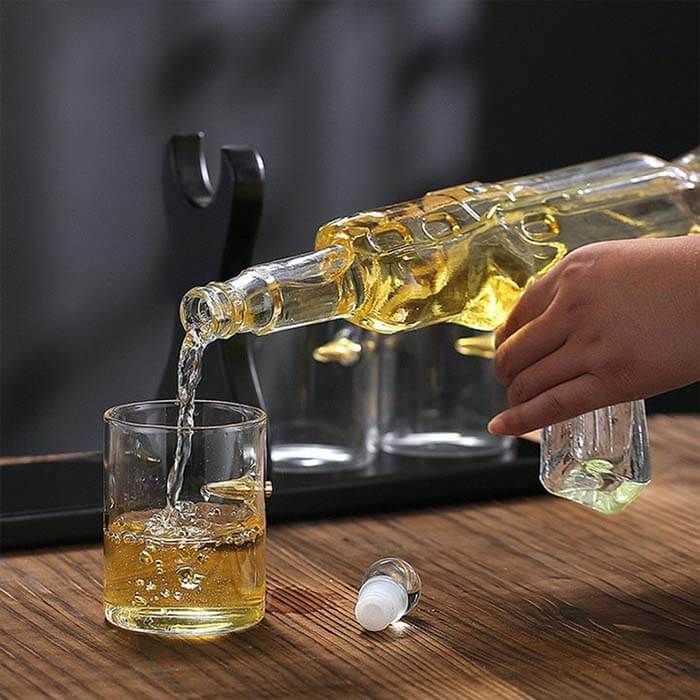
Trademark risk: the shape can create legal trouble
A gun bottle can look like a real firearm model. That can trigger trademark or trade dress claims. You can lose inventory and spend big on legal fights. This risk grows when you copy an iconic silhouette like a known rifle or a named classic gun.
You can lower risk with strict design rules:
- Use generic outlines, not famous models
- Remove signature details that make the gun “identifiable”
- Avoid brand-like names tied to gun makers
- Put mold ownership in your contract under your company
Start with clean drawings and prototypes before you cut steel. This reduces rework after you pay tooling. Use a tooling workflow that protects your IP: glass bottle molds and prototypes and prototype custom bottle process.
TTB label review risk: shape + marketing both matter
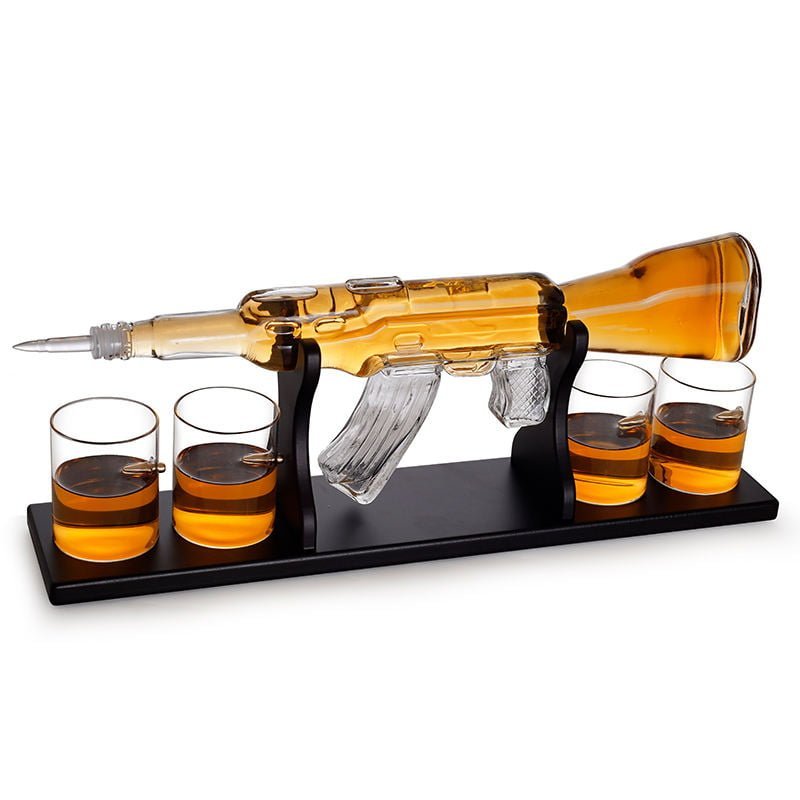
Bottle approval is not only about volume and glass. Review teams also look at confusion risk and youth appeal. A very realistic pistol bottle can look like a real weapon at first glance. That can create questions. A label that pushes “danger” or “rebellion” can add more questions.
You can lower label friction with simple moves:
- Pick a stylized shape that reads as glass art
- Keep a clear label panel for required info
- Use adult-only positioning and retail channels
- Keep copy neutral and product-focused
Plan more time for approval when you use an unusual shape. Build your project around a stable OEM flow so you can change labels fast if needed: OEM/ODM decanters from design to production and borosilicate decanter branding options.
State rules and platform limits can cut your growth
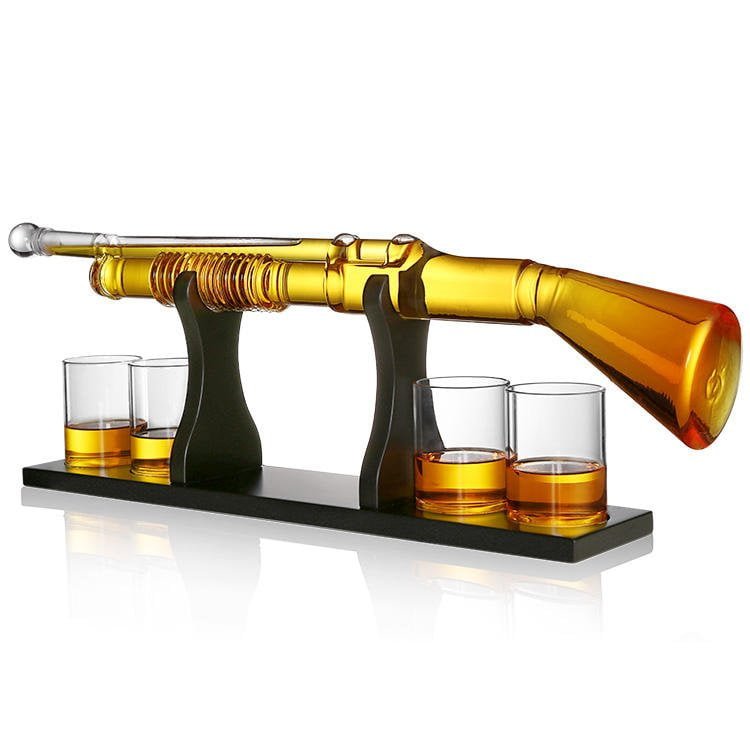
Some states push stricter rules on weapon-adjacent marketing. Rules can change fast. Even when the product stays legal, ads and posts can get limited. Many ad systems reject weapon-like images. Organic reach can also drop when a platform flags the content.
Use a launch plan that does not depend on one channel:
- Build B2B retail first (bars, gift shops, specialty stores)
- Keep product photos clean and product-only
- Avoid youth-heavy platforms for the main push
- Prepare a second shape line that scales easier
If you want strong novelty growth with fewer blocks, follow modern design trends that fit premium spirits. Use these guides to steer theme choices: 2025 glass packaging design trends and luxury bottle shapes for premium positioning.
Specs that make a gun shaped bottle feel premium
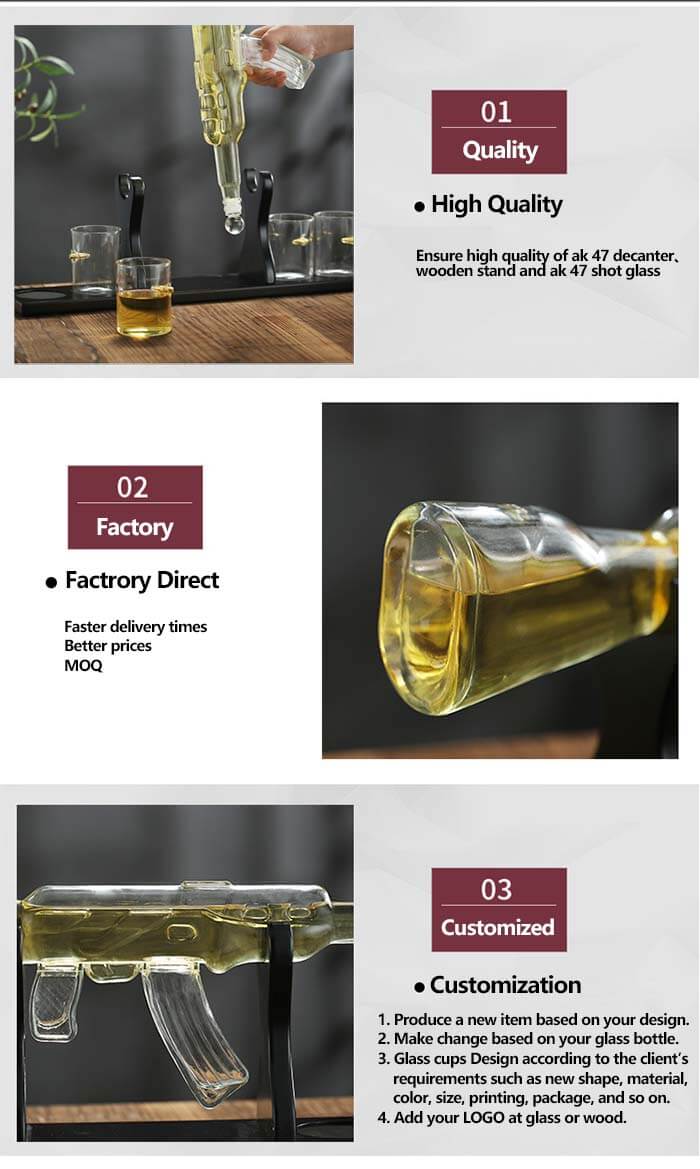
Specs decide if buyers trust your bottle. A premium bottle needs clean seams, balanced weight, and a stable base. It also needs a closure that seals tight. Many cheap novelty bottles leak or wobble. That kills repeat orders.
Use this simple spec checklist:
- Glass thickness: protect against chips and cracks
- Base stability: reduce tipping on shelves
- Neck finish: fit cork or cap with no wobble
- Label zone: flat area for clean compliance text
- Decoration: hot stamp or clean print, not messy paint
If your buyers care about material safety, choose lead-free glass and stable chemical resistance. These pages support that pitch: lead-free borosilicate safety benefits and chemical resistance for alcohol storage.
Borosilicate vs soda-lime for spirits packaging
Borosilicate often looks clearer and stays clear longer. It can resist heat and chemicals better than standard glass. Soda-lime costs less and works for many brands, but it can show haze or scratches sooner in harsh handling.
A simple buying rule works well:
- Choose borosilicate for premium display bottles and collector SKUs
- Choose soda-lime for price-first lines with tight QC controls
Clarity matters for novelty shapes because the buyer judges the bottle fast. A clean, bright look supports a higher price and better gifting value. If you need a clear decision guide, use: borosilicate vs soda-lime glass comparison and borosilicate long-term clarity advantage.
Mold cost, MOQ, and break-even basics
Gun shapes need more mold detail than round bottles. That raises tooling cost. It also raises defect risk in early runs. You need enough volume to spread mold cost and pay for sample rounds.
Most private label buyers plan around:
- MOQ: 3,000–6,000 units
- Mold budget: mid four figures for many rifle-style shapes
- Timeline: design + sample + production often needs 8–10 weeks
Do not guess your timing. Align your order with your sales season and shipping window. This reduces rushed choices and rework. Use these planning guides: best time to source decanters in China and custom shapes whisky decanters sourcing.
Factory vetting: capacity and QC decide your outcome
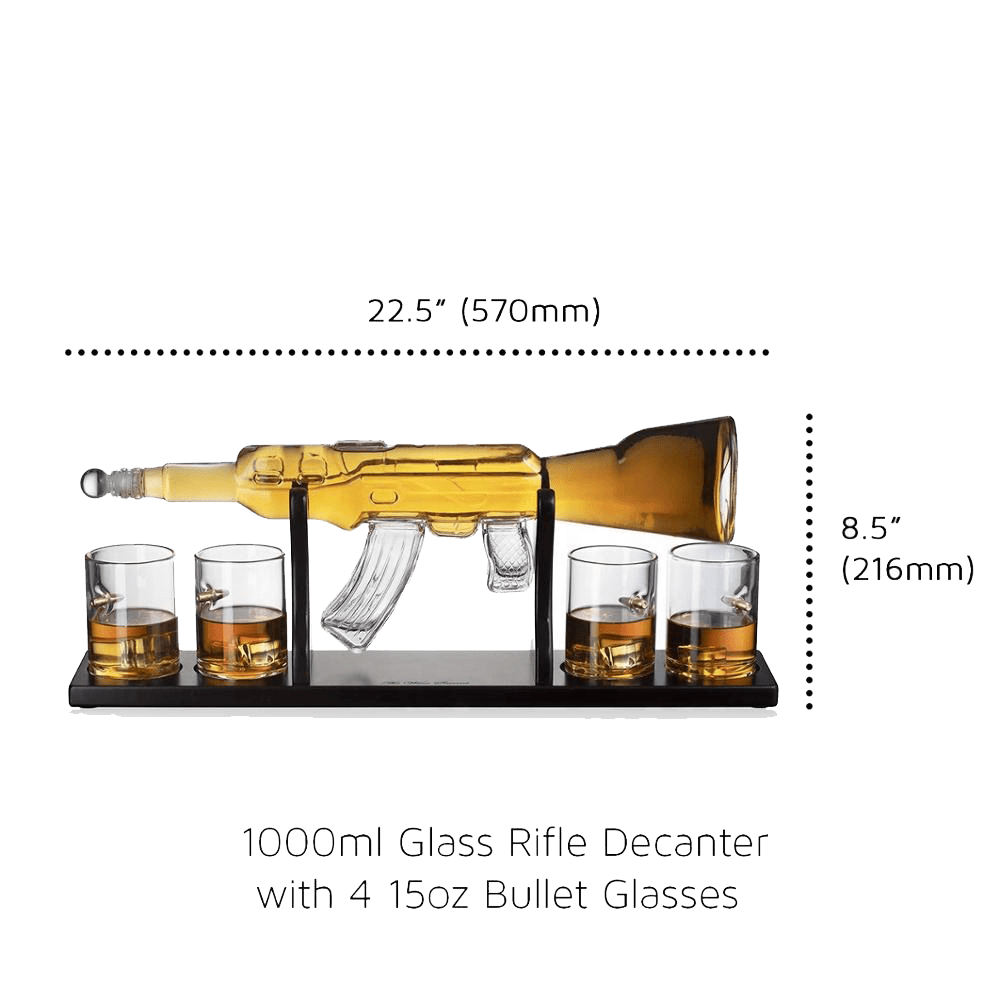
A complex bottle needs a factory that can hold tight tolerances. You want stable glass thickness, clean seams, and low leak rates. Many small shops can make a nice sample, then fail at mass production.
Use a strict vetting routine:
- Ask for real production capacity proof
- Check QC steps for leaks, seams, and weight control
- Confirm your mold stays yours after payment
- Request pre-ship inspection photos and test reports
A factory visit helps you see real lines, real packing, and real lead times. It also helps you judge how they handle custom projects. Use these two guides for a buyer-ready checklist: how to vet supplier production capabilities and China glass factory visit guide.
Packaging and shipping: prevent breakage and returns
Novelty shapes break more often in transit. Long “barrel” sections and thin edges chip easily. You need packaging that locks the bottle and prevents movement. You also need a drop test plan.
Use these packing rules:
- Add inner trays or foam that holds the shape tight
- Protect the neck and thin edges with extra pads
- Use strong outer cartons and corner protection
- Plan an AQL standard and a breakage allowance
If you sell as a gift set, the insert and box quality matter as much as the bottle. For broader packaging ideas and shape selection, review: unique glass bottles wholesale guide and custom bottle designs for brand personality.
Positioning that reduces youth signals and brand risk
Your positioning can raise or lower scrutiny. If you market the bottle as “edgy” or “dangerous,” you raise risk. If you market it as a premium collectible for adults, you lower risk. Words and photos matter as much as shape.
Use safe positioning rules:
- Use “collector,” “display,” “gift,” “premium” language
- Avoid youth-coded visuals and influencer styles
- Add clear 18+ gates on DTC pages
- Focus on B2B channels that already sell novelty spirits
Build the product story around glass craft and quality. That supports price and reduces “toy” vibes. Use these pages to shape the message: bestselling borosilicate whisky decanter design tips and what a whiskey decanter is used for.
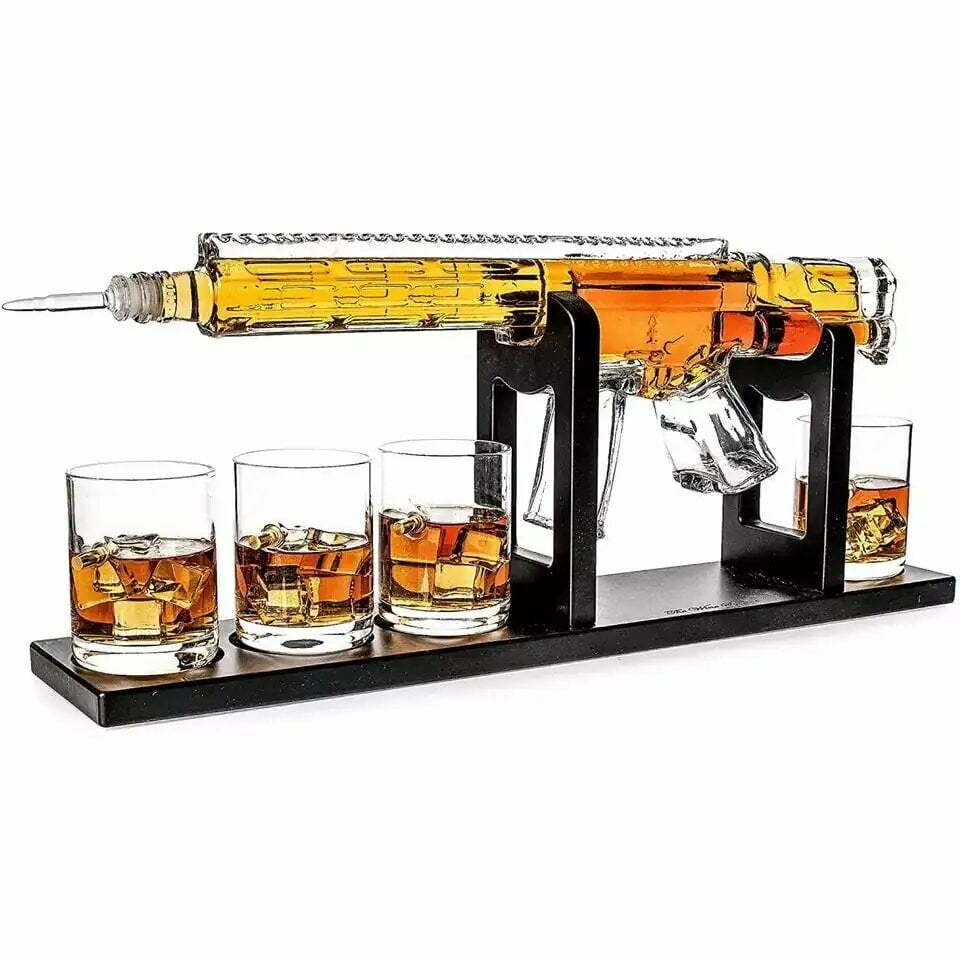
Safer novelty shapes that scale with fewer blocks
If you want novelty that scales, pick themes that feel like art and culture. These shapes often get better social sharing and lower legal stress. They also fit more gift moments and more retail shelves.
Common scalable options:
- Skull styles for collectors: skull head whiskey bottle
- Dragon themes for premium display: dragon borosilicate glass bottle
- Ship themes for story gifting: custom ship-shaped wine bottle
- Globe decanters for bar décor: globe decanter category
If you still want one gun SKU, pair it with two safer SKUs. This protects your full line and keeps retailers comfortable.
Frequently Asked Questions
Is a gun shaped bottle legal to import and sell? Many markets allow it, but review and enforcement can vary by place and by marketing. Use a clear compliance workflow and a clean label zone. This helps your project flow: OEM/ODM design to production.
How do I reduce trademark risk before I pay for molds? Avoid famous firearm models and use generic silhouettes. Start with drawings and a prototype step: prototype custom bottle and bottle mold and prototype guide.
What glass should I choose for a premium novelty bottle? Borosilicate often supports a higher-end look and longer clarity. Soda-lime can work when you control QC and cost. Compare materials here: borosilicate vs soda-lime.
How do I vet a China supplier for complex custom shapes? Check capacity, QC, mold ownership terms, and packing tests. Use a strict checklist: vet supplier production capabilities.
What is a safer alternative if I want novelty with less risk? Skull, dragon, ship, and globe themes often scale better. Start with proven categories: globe decanter products and skull tequila bottle style.
Key Takeaways
| Topic | Simple takeaway |
|---|---|
| Main regions | Shandong, Zhejiang, Hebei, Guangdong, Hubei, and Shanxi give most supply for wholesale borosilicate decanters. |
| Best value | Hebei (Accio style plants) gives strong borosilicate focus and stable on-time rates for large runs. |
| Design power | Guangdong, Zhejiang, and Hubei give strong shapes for skulls, AK-47, globes, dragons, and gift sets. |
| Timing | March is the sweet spot. December can add over 30% extra cost once rush and freight bite. |
| Vetting | Strong plants show clear QC flow, mold control, lead-free proof, and clean lampworked samples. |
| Visits | Good trips start 2–3 months ahead and cost about $1,890–$11,900 once flights and hotel sit in. |
| Lead time | Smart plans lock 20–25 day runs in calm months and avoid 40–60+ day risk near big holidays. |
Wholesale Borosilicate Decanters Supplier Sourcing Regions in China: Quick Map
China makes about half of flat glass and most borosilicate for the world. For wholesale borosilicate decanters, a smart plan looks first at region, then at plant.
Shandong and Zhejiang give strong jar and standard bottle volume. Hebei (Accio style plants) gives deep borosilicate skill and globe decanter work. Guangdong and Hubei add bold shapes and color play for skulls, rifles, and dragons. Shanxi fills in as backup base when east coast lines stay full.
A clear map helps. Use the top glass manufacturing regions for borosilicate decanters guide to see how each province sits on cost, skill, and export. Pair this with the borosilicate glass manufacturers guide and glass explained: soda-lime vs borosilicate and bottle shapes to match region choice with your brand story and risk level.
Why Wholesale Borosilicate Decanters Matter for Long-Term Spirits Brands
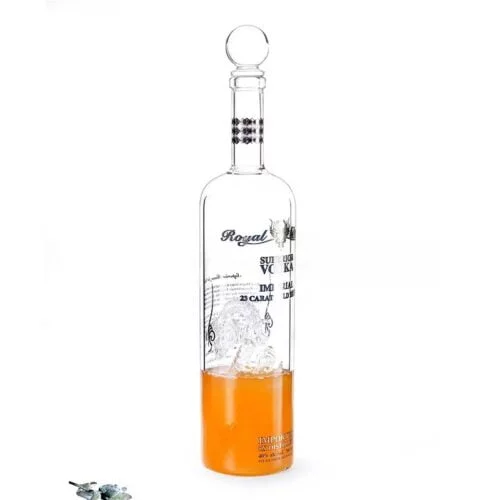
Good decanters do three jobs. They keep alcohol safe. They keep color and aroma clean. They carry your brand in the hand and on the shelf. Borosilicate glass does this better than standard soda-lime when you ship and pour for years.
Use the core guides on why borosilicate whisky decanters and borosilicate whisky decanters OEM to plan the base. For tech detail, read the heat and chemical resistance for alcohol storage post and the borosilicate vs soda-lime glass comparison.
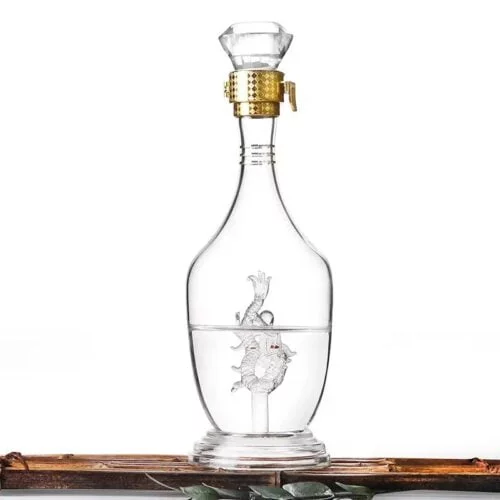
Lead-free proof stays key once you work with export buyers. Use the safety benefits of lead-free borosilicate glass and environmental advantages pages as your check list. The long-term clarity guide, plus the posts on borosilicate vs traditional glass for spirits storage and borosilicate vs regular glass clarity appeal, help you show buyers why this material earns a small premium.
Shandong: High-Volume Glass and Jar Supply Base
Shandong plants ship huge runs of jars, food bottles, and simple liquor shapes. This base suits brands that need stable volume, simple molds, and shared jar plus decanter supply from one zone.
To plan this path, check the glass jars wholesale guide and the simple guide to Chinese glass jar manufacturers. Use the glass bottles of various sizes and shapes guide with the different shapes of glass bottles article when you map SKUs.

Brands that run sauces, RTDs, and small spirits in one basket can lean on the comprehensive guide to glass jar sizes and wholesale unique glass jars. For usage ideas and add-on SKUs, use glass jar uses from storage to decoration and the glass jars with lids manufacturer page. This region pairs well with simple globe decanters ordered through the main products hub.
Zhejiang: Shape Innovation and Gift-Ready Packaging

Zhejiang plants push shape play and gift-ready sets. This suits perfume-like spirits bottles, rose wine lines, and decanter plus glass kits for retail.
Use the luxury bottle shapes guide to set your design brief. Match it with custom bottle designs that show brand personality and unique glass bottles wholesale once you build a family of SKUs.
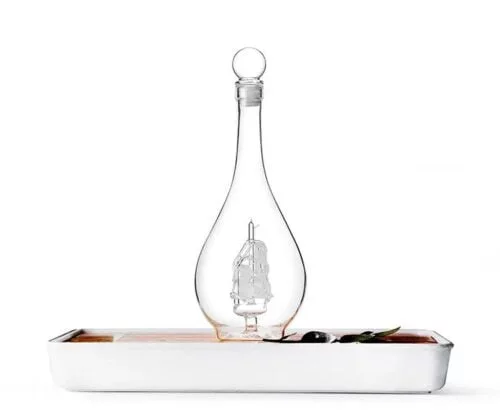
Drink brands that sell online gift packs can pair a barware gift set for resale with rose or ship bottles. For deep custom work, use the personalized glass bottles guide and the custom glass bottle category. The glass decanter category gives ready shapes to test before you lock a full custom mold.
Hebei (Accio): Core Borosilicate Decanter Hub
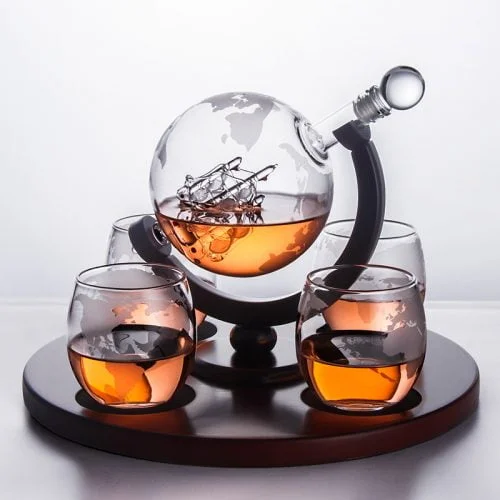
Hebei leads in weight cases for 2025 and holds strong on-time rates. Plants here often focus on borosilicate, lampworked features, and globe decanter sets. This fits long-term whisky, rum, and globe programs.
Start with the Hebei vs Guangdong borosilicate decanter suppliers guide to see cost and risk gaps. Then use the best globe decanter supplier and top glass manufacturing regions guide to see which city suits your ship and air lanes.
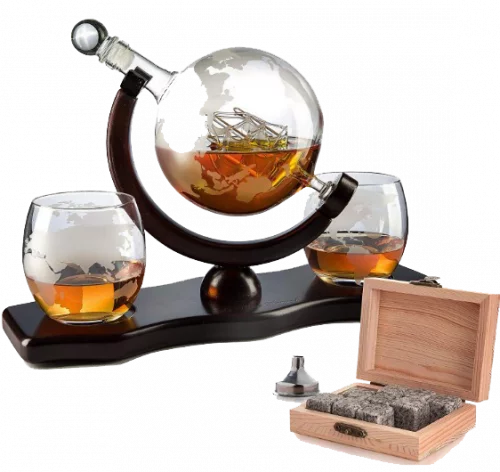
Brands that cross jars and decanters can pair Hebei lines with the borosilicate mason jar manufacturer guide and borosilicate glass jars lampworked designs. Use the hand-blown borosilicate glassware process guide, lead-free glass decanter wholesale, borosilicate glass decanter set, and hand-blown globe decanter to pick the right line tech for your price band.
Guangdong: Design-Driven Spirits Bottles and Decanters
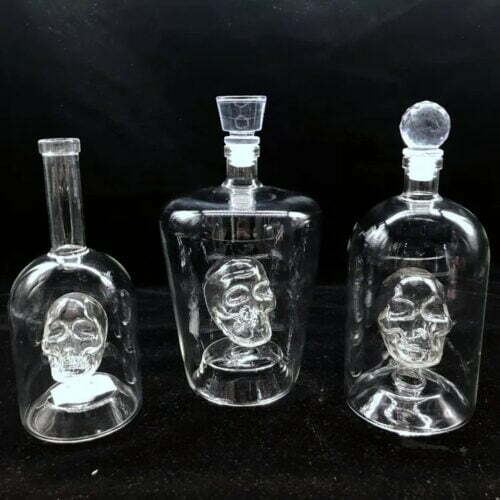
Guangdong plants push showpiece shapes for tequila, vodka, and whisky. Think skulls, rifles, ship bottles, and bold color fills. This region fits brands that sell on social media and gift traffic.
Use the AK-47 whiskey decanter category with the AK-47 rifle decanter and the AK-47 whiskey bottle collector tips. Pair these with the AK-47 tequila bottle guide and unique tequila decanter in AK-47 design when you build cross-category sets.
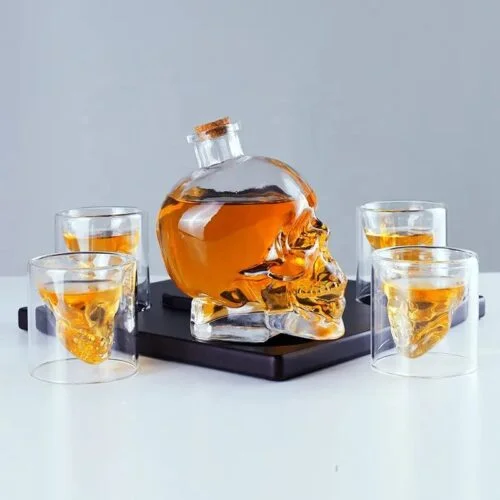
Skull lines link well with the tequila bottle skull product and the article on skull tequila bottles. For vodka, use the crystal head vodka glass bottle, vodka bottle shapes guide, how to properly serve and pour vodka, and vodka bottle sizes guide. The post on elevating the AK-47 whiskey glassware experience helps shape premium gift packs.
Hubei and Shanxi: Niche Capacity and Lampworked Art Bottles

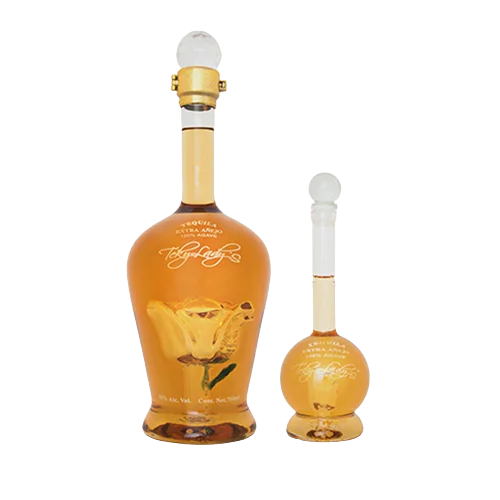
Hubei plants, often linked with Accio-style borosilicate work, focus on lampworked art bottles. They fit small but high-margin runs with agave plants, flowers, or dragons inside. Shanxi offers extra kiln space and can back up Shandong on jars and simple decanters.
Plan art bottles with the tequila with agave plant product and the agave bottle experience guide. Pair this with the tequila bottle with dragon product and dragon tequila artistry article.

Flower and gun shapes help small brands stand out. Use the tequila bottle with flower product and the tequila bottle guns guide. The posts on artistic tequila bottles and borosilicate glass application and development show how these plants push new forms without losing basic safety.
How to Choose the Right Region for Each Decanter Project
A clear match between project style and region saves time and cuts risk. For volume and jars, Shandong works well. For globe decanters and borosilicate focus, Hebei stands strong. For art shapes and bold designs, Guangdong and Hubei shine.
Use the Hebei vs Guangdong suppliers comparison as your base map. For globe projects, add the best countries for globe decanters, private label globe decanters, and best globe decanter supplier. These pages help you decide where to place each style and price tier.
Big buyers can also read the guide to glass container suppliers and materials used in unique glass jars. For playful rifle sets, mix in the unique tequila decanter in AK-47 design, which often pairs with Guangdong plants.
How to Vet Borosilicate Decanter Production Capability

Strong vetting saves more money than any short-term discount. Work through clear steps before you send a mold fee or a big deposit.
Start with the core supplier production capabilities vetting guide and the China glass factory visit guide. Use the OEM onboarding guide for glassware to align your RFQ, drawings, and packing specs.
Ask for clear proof of material and food safety. Use the what is a borosilicate glass bottle guide, expert guide to food-grade material safety, and the post on lead-free and food-safe materials. For process, review handcrafted vs machine-made jars, glass bottle molds and prototypes, prototype custom bottle, and glass bottle mold craftsmanship. These points fit both Shandong jar plants and Hebei borosilicate lines.
How to Plan and Run Glass Factory Visits in China
Factory trips work best when they start 2–3 months before you fly. This gives time to fix visas, plan routes, and book local support. A full run of visits across two or three regions can cost $1,890–$11,900 once you count flights, hotels, cars, and interpreters.
Base your plan on the China glass factory visit guide and the OEM onboarding guide. Before you land, scan makers on the B2B marketplaces for glass jars and short-list plants using the simple guide to Chinese glass jar manufacturers.

On site, study how each plant reads local demand. The posts on how cultural preferences shape jar design and 2025 glass packaging design trends give talking points. Use these to pick the region that truly gets your end user, from US craft whisky bars to Mexico tequila fans.
Best Time of Year to Source Wholesale Borosilicate Decanters in China

Time can shift your landed cost by over 30%. In 2025, March sits as a clear five-star month for new POs. Lead times stay near 20–25 days, and plants still have room from Lunar New Year re-start. December, by contrast, can push runs to 40–60+ days and add rush charges.
Use the best time to source decanters in China guide to plan your yearly PO map. For jar and bottle add-ons, look at market trends in unique glass jars and why the material of your jar matters.
Clean filling lines need clean glass. Mix the jar sterilizing guide and the sterilizing glass bottles guide into your timing plan so you book enough handling time once containers land.
OEM / ODM Roadmap from Idea to Stable Supply
A clear OEM / ODM path turns mood boards into repeatable supply. Start by locking material, base volume, and region. Then move to molds, colors, and branding.
The core guide on OEM/ODM borosilicate decanters from design to production gives the full path. Pair this with the step-by-step OEM onboarding guide and the custom glassware manufacturing process.
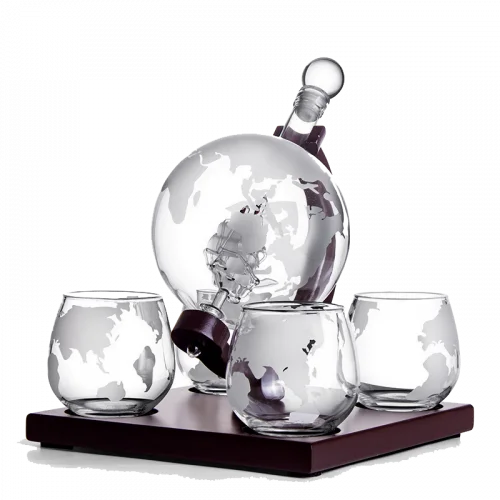
For whisky lines, mix custom shapes whisky decanters, best-selling borosilicate decanter design tips, decanter glass colors and whisky appeal, and decanter branding options. Globe work runs through etched globe whiskey decanters, wooden stand globe decanters, and globe decanters with matching glasses. For new models, use globe decanters complete guides, new ideas for globe decanter designs, and the art and science of crafting globe decanters.
Sample Sourcing Playbooks for Different Buyer Types
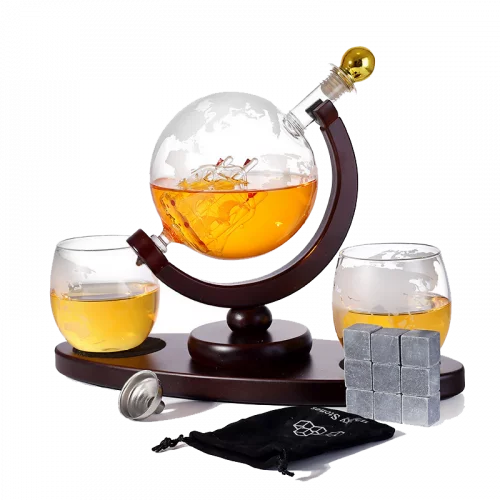
Small craft brand, 2–3 SKUs per year Use one strong Hebei plant for globe or classic whisky decanters. Add one Guangdong or Hubei partner for a hero AK-47 or skull piece. Shape your story with why you need a whiskey decanter and whiskey decanter purpose. Choose form with the best whiskey globe decanters and the what is a decanter used for guide.
Mid-size importer with tequila and vodka focus Mix Guangdong and Hubei for shapes and fill safety. Read borosilicate glass benefits for tequila, additive-free tequila bottles, and glass vs plastic tequila bottles. Plan line width with both tequila bottle sizes and the ultimate tequila bottle size guide.
Large retailer building a cross-category glass program Blend Shandong jars, Hebei globes, and Guangdong showpieces. Use unique glass jars wholesale for your business, personalized glass jars, and personalized glass bottles. Lift shelf feel with customized labels for jars. Add globe sets from the best globe decanter supplier to anchor premium tiers.
Frequently Asked Questions
1. How do I pick the best region for my first wholesale borosilicate decanter order? Start from the top glass manufacturing regions guide. Use Shandong for jars plus simple decanters, Hebei for globe and borosilicate focus, and Guangdong or Hubei for bold shapes. Then run the checks in the supplier production capabilities guide.
2. Which glass type should I choose for long-term spirits storage? For most spirits brands, borosilicate gives the safest long-term base. Read what you need to know about borosilicate glass bottles, borosilicate vs standard glass for bottles and jars, and borosilicate vs Pyrex. Tie this back to the lead-free and food-safe materials guide.
3. How early should I book my factory visit? Plan 2–3 months ahead. Use the China glass factory visit guide and OEM onboarding guide. If you scout many plants, add the B2B marketplaces guide and Chinese glass jar manufacturers guide.
4. How do I handle cleaning and sterilizing large decanter runs? Set clear rules at RFQ stage. Ask plants about washing lines, air blow, and packout. Study the jar sterilizing guide and the sterilizing glass bottles guide. These fit decanters as well as jars.
5. When is the best month to start a new decanter project in China? For 2025 data, March sits as a strong starting month, with lower costs and faster lines. The best time to source decanters in China page gives a month-by-month view. For jar-heavy lines, also scan market trends in unique glass jars.
6. How can I learn more about shapes and history for tequila and globe bottles? Use the history of glass tequila bottles along with tequila bottle designs and tracing the evolution of tequila bottles. For globes, work through globe decanters complete guide and new ideas for globe decanter designs.
7. Where can I see more deep content on wholesale borosilicate decanters and suppliers? Use the full blog hub to browse all guides. Key hubs include borosilicate glass application and development, glass jar market trends, and the a simple guide to choosing glass container suppliers.
Key Takeaways
| Timing window | What happens in China | What this means for your decanter order |
|---|---|---|
| March–early April (best) | Factories restart after CNY, low load, eager sales | Lowest total cost, fast lead time, best QC |
| June (very good) | Peak rush is over, next rush not started | Stable price, steady lead time, safe reorders |
| July (good, with caveats) | Summer slowdown, low raw cost, some weather delays | Cheap stock build, but arrival date needs buffer |
| April–May / Aug–Oct | Peak export months, fairs, holiday builds | Higher prices, longer queues, more QC pressure |
| Jan–Feb / Nov–Dec | CNY rush, shutdown, year-end crunch | Worst timing: long delays, high freight, weak support |
Why Timing for China Decanter Orders Changes Your Profit
One 10,000-piece order of borosilicate decanters can cost $26,250 in March and $35,000 in December. The glass, the mold, and the box are the same. The timing is not.
- In low season, factories fight for orders and cut price.
- In peak season, they pick the best orders and raise price.
- Freight also jumps when ports fill with pre-holiday cargo.
To keep cost steady, you need a simple timing plan:
- Use quiet months for big POs and new SKUs.
- Use peak months only for small top-up orders.
For deeper background on the glass itself, link this plan to your base material choices with guides like what a borosilicate glass bottle is and a clear borosilicate vs standard glass comparison.
How China Factory Seasons Affect Decanter Lead Time and Price
China glass factories run on a clear yearly rhythm:
- January: rush before Chinese New Year.
- Late January–February: full shutdown for the holiday.
- March–April: restart and rebuild time.
- April–May: export peak after Canton Fair.
- June–July: cooler, calmer period.
- August–October: holiday builds and Golden Week.
- November–December: clear backlog and close the books.
If you want to see this cycle with your own eyes, plan a trip using the China glass factory visit guide. You can pair that with an overview of top glass manufacturing regions for borosilicate decanters and a direct Hebei vs Guangdong supplier comparison to match the right region to your order month.
March–Early April: Best Time of Year to Source Decanters in China
March is the sweet spot:
- Workers come back from CNY.
- Lines run at 50–70% load.
- Sales teams feel strong pressure to fill machines.
In this window, I often see 10–30% lower unit price, 20–25 day lead time, and better QC because teams are fresh and output is not rushed.
Use March for:
- New OEM decanter projects with clear specs.
- First orders for a new shape, like a globe or skull.
- Long runs that must land before summer parties or Q4 tests.
Map your process with the OEM whisky decanter page, the detailed OEM/ODM design-to-production guide, and the step-by-step OEM onboarding guide for glassware. In my own work, locking March slots for key SKUs has cut my yearly landed cost by close to 20%.
June: Safe Month for Reorders and New SKUs
June sits between the spring rush and the next build wave. Factories are busy, but not stressed. This balance is ideal for reorders:
- Lead time still sits around 20–25 days.
- Prices stay close to your “normal” level.
- QC teams have time to follow your check list.
Use June for:
- Reorders of proven SKUs, like globe sets or simple gift packs.
- New color or branding tests on existing molds.
- Stock builds for back-to-school or early Q4 trials.
Pair your timing plan with product and brand work:
- Plan full collections with the unique glass bottles wholesale guide.
- Shape your brand story using personalized glass bottle design ideas.
- For globe SKUs, study private label globe decanter options.
When a client asks, “When can I launch a new globe set?” my short answer is: sample in March–April, place the first serious PO in June.
July: Low Material Cost With Small Delay Risk
In many years, July brings:
- Slightly lower raw glass cost.
- Softer energy prices.
- Easier container booking.
Total landed cost for a 10,000-piece run can drop below June levels. The trade-off is weather:
- Heavy rain can slow truck moves to port.
- Heat waves can cause short stops in some plants.
Most buyers see 3–7 extra days in worst cases. So July is great for stock builds, but not for tight event dates.
This is the month I like to push fun shapes that need strong shelf impact:
- Shape ideas start with glass bottle molds and prototypes.
- You can test bold SKUs through the prototype custom bottle guide.
- Then link them to your full range through custom bottle design tips.
Months You Should Avoid for Decanter Sourcing
Some periods burn budget and nerves:
- January: pre-CNY rush, long queues, high freight.
- February: factories shut, only planning is possible.
- April–May: post-fair rush, higher raw cost, stressed lines.
- Late August–October: holiday builds plus Golden Week stop.
- November–December: year-end, full lines, little space for new clients.
A simple view:
| Period | Main risk |
|---|---|
| January–February | CNY rush, shutdown |
| April–May | Peak export, raw cost jumps |
| Late Aug–October | Holiday builds + Golden Week |
| November–December | Year-end backlog and price spike |
When buyers must place POs in these months, I push them to use safer project types and extra time buffers. To cut risk, study a simple guide to glass container suppliers, explore B2B marketplaces for glass jars and bottles, and track new glass packaging design trends for 2025. This helps you move talks earlier in the year.
Match Decanter Type, Region, and Month
Not all decanters behave the same in a factory plan. Some need more hand work, some need more mold care:
- Globe decanters work well in Hebei lamp-work shops with strong lamp skills.
- Skull and AK-47 shapes need careful annealing and gift-box design.
- Tequila bottles with plants or dragons inside need extra setup time.
You can shape your mix with:
- A best globe decanter supplier overview.
- A view of best countries for globe decanters.
- A full AK-47 tequila bottle guide.
- A deep look at skull tequila bottle appeal.

I like to slot high-skill items into March and June, and keep simple globes or jars in July. That way, hard shapes get the calm, easy months.
Plan Design, Branding, and QC Before Peak Season
Good timing is not just “when to pay”. It also sets when to design and when to check quality.
Use slow months (March, June, July) to set:
- Shape, volume, and wall thickness.
- Logo style, etching, and screen print.
- Box structure, foam, and shipping pack.
Helpful pages here:
- Style ideas from bestselling borosilicate whisky decanter design tips.
- Marking options from borosilicate decanter branding choices.
- Color thinking from glass colors that boost whisky appeal.
- A hero sample like the etched globe whiskey decanter.
In my own work, full artwork approval by end of May keeps Q4 plans safe, even if one sample round fails.
Build Your Yearly Sourcing Calendar Step by Step
You can turn all these notes into one simple plan:
Mark your selling peaks.
- Q4 for gifts, Q2 for weddings or events.
Count backwards.
- 30–40 days for sea freight.
- 20–30 days for production.
- 15–30 days for buffer and QC.
Match to good months.
- Q4 stock → order in March and June.
- Summer events → order in March.
Use market views like trends in unique glass jars and emerging trends in globe decanters to guess demand. For design refresh slots, draw ideas from new globe decanter design concepts.
Most mid-size buyers do well with 3–4 main POs per year: March, June, and a flexible July slot, plus a small top-up if a hero SKU explodes.
Checks Before You Place Each Purchase Order
Right before you sign a PI, run a quick check list. I keep it simple:
- Demand: base the quantity on last year plus real growth, not on hope.
- Factory load: ask for the current daily output and open slot dates.
- QC plan: confirm sampling level, leak tests, and drop tests.
- Packing: confirm inner box, master carton, and pallet plan.
- Timing: check that ex-factory and ETD stay inside “green” months.
Helpful support pages:
- A deep guide on how to vet production capability.
- A borosilicate glass manufacturers guide.
- An expert guide to material safety for food-grade jars.
For new buyers, I also like to start with safer forms like jar styles, using guides such as glass jars wholesale and a simple guide to Chinese glass jar manufacturers before moving into complex decanter shapes.
Frequently Asked Questions: Best Time of Year to Source Decanters in China
1. What is the single best month to order decanters from China?
For most buyers, March is the best month. Factories reopen after Chinese New Year, lines are not full, and sales staff work hard to win POs. You get strong price, fast lead time, and good QC. Back this with a plant visit using the China glass factory visit guide if you plan long-term work.
2. I am a small buyer. Does timing still matter for me?
Yes. Even if you only buy one 20-foot container each year, timing can shift cost and stress:
- Place samples and designs in March–April.
- Place your main PO in June.
You can focus on lower MOQ SKUs like glass decanters from the main category or simple glass jars wholesale. The same timing rules apply.
3. When should I start a new globe decanter project?
For a fresh globe shape:
- Shape talk and rough drawing in February–March.
- Mold and sample run in March–April.
- First big PO in June.
Use these pages as your base:
If you want a premium set, study globe decanter sets and hand-blown globe decanter options.
4. How should I time tequila bottle and skull bottle orders?
Tequila and skull projects often mix heavy design and strong branding, so you need more front time:
- Do design, mold, and first sample loop in March–June.
- Lock the first big PO by June 30 for Q4.
Useful support pages:
- Tequila bottle designs overview.
- Glassblowing techniques for agave tequila bottles.
- Tequila bottle with skull feature page.
- Skull head whiskey bottle product.
5. What if I miss March and June and must order in a peak month?
In that case, shift your goal:
- Keep POs smaller.
- Avoid new shapes and focus on proven SKUs.
- Add 3–6 weeks extra buffer.
You can also use more flexible lines, like handcrafted vs machine-made jars or standard glass jars with lids, which are easier to slot into busy schedules.
6. Does air freight timing matter as much as sea freight?
Air freight is faster, but timing still matters:
- Peak export months raise air rates.
- Holidays can slow export handling even for air.
For high-value decanters, I keep air moves as backup, not as a core plan. Good timing with sea freight from the start, based on the rules above, is still the main way to keep cost down and stock safe.
7. How do I line up timing with food safety and material checks?
You should clear material and safety points before peak months:
- Use March–April to confirm that your bottles use safe lead-free glass.
- For jars and mixers, study why jar material matters and why lead-free, food-safe materials are key.
- For spirits storage, check borosilicate vs traditional glass for spirits and borosilicate glass for tequila.
Once you lock safe material choices early in the year, every later PO in March, June, and July becomes faster and easier to launch.
Key Takeaways
| Topic | What to Expect When Visiting Glass Factories in China |
|---|---|
| Why go | A visit gives clear proof of real capacity, quality, and borosilicate safety. |
| What to see | Watch furnaces, annealing, testing, packing, and how workers handle each decanter. |
| Design gains | Sample rooms help shape skull, AK-47, globe, and tequila bottle projects with real glass in hand. |
| Cost vs value | Trips feel expensive, but they protect you from bad shipments and weak partners. |
| Best fit | Visits work best for buyers planning steady orders of borosilicate decanters and jars. |
Why Factory Visits Matter for Borosilicate Decanter Buyers
A visit turns a “nice catalog” into a real factory you can trust. Many people start with online calls and videos. Still, visiting glass factories in China what to expect often begins with one truth: some claims break once you stand on the floor.
Walk the site with a clear framework. Use ideas from the supplier production capability guide and the borosilicate glass bottle basics. These give simple checks for capacity, quality systems, and material safety. The borosilicate glass manufacturers guide helps you see if the factory fits long-term plans.
Real shelves of skull, AK-47, and globe decanters tell more than any brochure.
On one visit, a buyer thought a supplier was huge. The actual site had a small furnace and a tiny team. The trip saved tens of thousands of dollars in future rework.
Pre-Visit Research: Build a Strong Checklist Before You Fly
A good trip starts months before your flight. First, sort your short-list with simple online checks. Use the production capabilities checklist to see if promised output matches a realistic factory size.
Learn how OEM projects move from drawing to full orders in the OEM onboarding guide for glassware and the OEM/ODM borosilicate decanter path. These guides show what data you should bring: target volume, bottle shape ideas, closure type, branding plan, and timelines.
Study material basics too. The borosilicate vs soda-lime comparison and borosilicate vs standard glass guide explain why borosilicate works better for hot-cold swings and long-term clarity. Pair these with the food grade material safety guide so you can ask clean, sharp questions on site.
Planning Your Trip: China’s Main Glass Regions and What You Will See
China has several strong glass clusters. Each one has its own flavor. This shapes visiting glass factories in China what to expect.
Use the top glass manufacturing regions guide to pick your route. If you focus on decanters, compare Hebei vs Guangdong borosilicate suppliers. Hebei leans into hand-blown borosilicate and art pieces. Guangdong often offers higher automation and large batch runs.
If globe sets sit at the center of your line, read about the best globe decanter supplier and best countries for globe decanters. These pieces show how China compares to other regions in cost, lead time, and style range.
Plan clusters of factories in one area per day. This keeps travel short and leaves time for slow, careful tours.
Inside the Factory: Production Lines, Quality Control, and Safety
Once you enter the workshop, walk slow. Look at the full chain: raw sand, furnaces, forming, annealing, inspection, and packing. A clear view here tells you if the plant is ready for your brand.
Use the why borosilicate whisky decanters guide as your checklist. Ask how they manage shock when hot wash water hits cold glass. The heat and chemical resistance article explains what to look for in testing gear.
Confirm that the line uses lead-free recipes as in the lead-free borosilicate safety guide and lead-free health article. Check clarity too. The long-term clarity guide and clarity vs regular glass article show how to judge tint and haze under bright light.
For spirits brands, compare this visit with what you know from borosilicate vs traditional glass for spirits storage and borosilicate benefits for tequila.
OEM/ODM Support: From Design Brief to Finished Decanter
A strong borosilicate partner does more than form glass. It helps you shape a full line. Use the visit to test how the team thinks through OEM work.
Start from your base decanter range. The borosilicate whisky decanters OEM page and OEM/ODM design-to-production guide show how clear briefs cut delays. Match their process to what you see on the factory floor.
Bring ideas from the best-selling decanter design tips, custom shapes guide, and branding options article. Ask which shapes fit their tools best and where they need new molds. The glass bottle mold and prototype guide and prototype custom bottle page explain how to test small runs before large orders.
Use sample pieces like the interior rose bottle and custom ship shaped wine bottle to test how well they handle complex inner figures.
Sample Rooms: Reading Product Range and Market Fit
Sample rooms show you what the factory really does every day. Here you see best sellers, failed ideas, and glass types side by side.
Start with clear “hero” pieces. The skull head whiskey bottle and crystal head vodka bottle show skill in complex heads and heavy bases.
Check full AK-47 lines too: the AK-47 whiskey decanter category, the AK-47 tequila bottle guide, and unique AK-47 tequila decanter article. These show how one theme can support both whisky and tequila.
Globe lovers can compare globe decanter products with guides like the complete globe decanter guide, the art and science of crafting globe decanters, new ideas for globe designs, and etched globe whiskey decanter.
Tequila buyers should review skull and dragon themes. Use:
- Tequila bottle skull product
- Tequila bottle with dragon
- Tequila bottle with flower
- Tequila with agave plant in bottle
Match what you see with guides on tequila bottle sizes, the ultimate size guide, history of glass tequila bottles, glass vs plastic tequila bottles, and tequila bottle designs.
For vodka and whisky, compare ideas from:
- Vodka bottle shapes guide
- How to serve and pour vodka
- Vodka bottle size guide
- Why you need a whiskey decanter
- Whiskey decanter purpose
- What is a whiskey decanter used for
Beyond Decanters: Jars, Glass Packaging, and New Ideas
Many factories that make decanters also make jars and other bottles. This widens your range for gift sets, food brands, and retail packs.
Start with a view of glass jars wholesale basics and glass jars uses. Then review glass jars with lids manufacturer and specific products like the borosilicate glass jar with bamboo lid, glass jar with natural cork stopper, glass jar with bamboo spoon, coffee bean glass jar, and glass square jar with lid.
Use bigger picture guides like:
- Unique glass bottles wholesale
- Personalized glass bottles
- Personalized glass jars
- Customized labels for jars
Jars live inside wider content on jar sizes, glass jar sizes and market trends, materials used in unique jars, and how cultural preferences shape jar design.
Check how factories sterilize and treat jars. Compare to sterilizing glass bottles guide, jar sterilizing guide, and DIY glass painting.
Use what you see to judge if the same line can support both jars and decanters for your gift sets and barware kits.
Culture, Relationship Building, and Post-Visit Follow-Up
Chinese suppliers care about long-term ties. A good visit mixes clear checks with real human time.
Before you go, review a simple guide to choosing glass container suppliers and a simple guide to Chinese glass jar manufacturers. These show how to speak about volume, payment terms, and risk without tension. The B2B marketplaces guide helps you explain how you first found the supplier.
Share your brand story at dinner using product ideas they already know. For tequila, connect to what is agave tequila, what is agave tequila article, how agave tequila bottles are made, behind the scenes tequila manufacturing, and behind the scenes glassblowing techniques for agave bottles. Point to additive free tequila bottles if you work in that niche.
After the trip, follow the structure in the OEM onboarding and supplier guides. Send a clear summary, ask for updated quotes, and line up pilot orders. Use knowledge from 2025 glass packaging design trends and glass explained: bottle shapes and materials to keep your product map sharp.
Frequently Asked Questions: Visiting Glass Factories in China
How do I know if a China glass factory is worth a visit?
Start with strong online checks. Use:
- How to vet supplier production capabilities
- A simple guide to choosing glass container suppliers
- Borosilicate glass manufacturers guide
If volume is over a steady yearly level and samples look good, a visit often pays for itself.
Is a factory visit worth it for small orders?
Trips make the most sense if you plan to grow volume. Still, even small buyers who want unique shapes like skull tequila bottles or AK-47 tequila designs gain clear value. A visit can secure fair MOQs, safe borosilicate, and stable quality early. If travel is hard, mix remote work with data from B2B glass jar marketplaces and third-party checks.
How many glass factories should I visit on one China trip?
Most buyers do two to five serious factories on a first run. Use the top regions guide and Hebei vs Guangdong comparison to group visits by area. Make sure at least one factory is strong in your main line, such as:
What should I look at to judge borosilicate quality during the visit?
Focus on:
- Furnace control and annealing lines
- Wall thickness control and impact tests
- Clarity and tint under strong light
- Certificates and lab reports
Use:
- Why borosilicate whisky decanters
- Borosilicate heat and chemical resistance
- Safety benefits of lead-free borosilicate
- Borosilicate application and development
These give simple, clear points to check.
How can I link my factory visit to better branding and sales later?
Use sample rooms and design talks to shape a full brand system. Draw on:
- Borosilicate decanter branding options
- Decanter glass colors and whisky appeal
- Luxury bottle shapes
- Custom bottle designs and brand personality
- Private label globe decanters
- Unique tequila decanter in AK-47 design
Custom OEM & ODM
Bring a drawing to the factory review
Use the visit to test whether the team can explain the forming route, critical dimensions, sample checks and packaging plan for your actual design.
Key Takeaways for How to Vet a Supplier’s Production Capabilities
| What you check | Why it matters | Helpful Ingcho guide |
|---|---|---|
| Region and factory type | Shows if capacity and cost fit your plan | Hebei vs Guangdong borosilicate decanter suppliers |
| Business license and history | Protects you from fake “factories” | A simple guide to choosing glass container suppliers |
| Furnace, molds, and lines | Proves real borosilicate and complex shapes | Hand-blown borosilicate glassware process |
| Daily output and peak season | Keeps you safe from late orders | Top glass manufacturing regions for borosilicate decanters |
| QC system and lab tests | Stops bubbles, tint, and fake borosilicate | Borosilicate glass manufacturers guide |
| Samples and pilot run | Shows gap between talk and reality | Step-by-step OEM onboarding for glassware |
Why Production Capability Vetting Matters for Borosilicate Decanters
Bad vetting hurts more than one order. It hits your brand, your cash, and your time. A weak plant may ship cloudy borosilicate, green-tinted glass, or thin walls. Clients see flaws and lose trust. Returns grow fast.
Borosilicate decanters sit in premium spots. They must stay clear, strong, and safe, as shown in why borosilicate whisky decanters work so well. Heat and ethanol test the glass over years, which links to borosilicate glass heat and chemical resistance. A weak supplier cuts corners on raw sand, boron mix, or annealing time.
Good vetting saves you from that chain of pain. Clear steps, clear checks, and clear records turn supplier choice into a steady system, not a gamble.
Start With Region and Supplier Type
First, choose where you want to buy. Hebei and Guangdong play different roles for borosilicate. You can see this split in Hebei vs Guangdong borosilicate decanter suppliers and top glass manufacturing regions in China. Hebei leans to hand-blown work and pharma-grade glass. Guangdong leans to high-speed smart lines.
Then sort suppliers by role. Some are true factories. Some are trading firms. Both can help, but you must know which is which. Browse broad ranges like Ingcho products overview and sourcing stories from the Ingcho blog. A real plant can show furnaces and lines on live video. A trader often avoids that call or uses stock footage.
Check Business Legitimacy and Track Record First
Before you ask about daily capacity, make sure the company is real. Ask for the business license. Check that the name on the license matches the name on the invoice and bank account. Guides like a simple guide to choosing glass container suppliers and a simple guide to Chinese glass jar manufacturers explain why this step stops many scams.
Check how long the firm has run. Ten years or more in glass is a good sign. Study their buyers on B2B sites using a guide to B2B marketplaces for glass jars. Ask for two overseas client contacts. A good factory shares them fast. A weak one dodges the question or sends only local names.
Audit Factory Infrastructure and Equipment for Borosilicate Work
Real borosilicate work needs real heat and real control. Ask for live video from the furnace area. Check size, age, and control screens. For complex decanters, you want strong mold design and lampwork skill, as shown in glass bottle molds and prototypes for unique bottles and an exploration of glass bottle mold craftsmanship.
Ask how they anneal. Good plants log stress-relief cycles and can show charts. Check if they can handle special borosilicate work like hand-blown borosilicate glassware and borosilicate glass jars with lampworked shapes. Weak plants talk about “many years of experience” but cannot show data or clear flows.
Verify Real Production Capacity and Scalability
Many suppliers claim “100,000 pieces per day.” Few can prove it. Ask three simple things: size of furnace, number of workers on glass lines, and photos of finished goods area. Then see if this fits complex items like AK-47 rifle decanters and AK-47 whiskey bottle collectors’ lines.
Check if they already ship globe sets or big barware sets like globe decanters for whiskey and wine lovers, the best whiskey globe decanters, or barware gift sets for resale. Ask for proof of their three largest orders: quantity, promise date, and ship date. This shows if production matches talk and if they can scale in peak season.
Assess Quality Systems, Materials, and Certifications
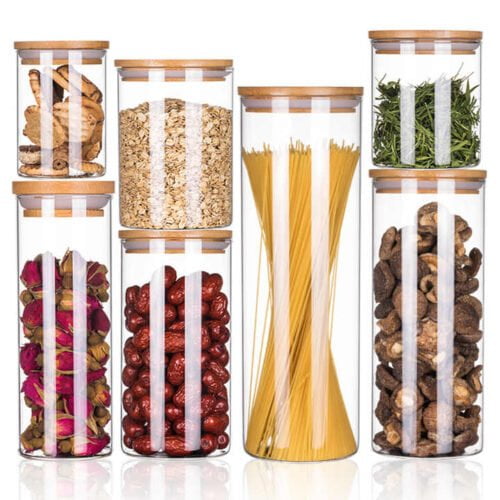
Good plants treat raw materials like gold. Ask for specs and lab reports for sand and boron. Guides such as what you need to know about borosilicate glass bottles and borosilicate glass vs standard glass explain why purity affects clarity and heat shock.
Ask how they keep glass safe for food and spirits. Look for proof of lead-free systems and rules like those in safety benefits of lead-free borosilicate glass and why choosing lead-free and food-safe materials is essential. For jars, check against expert guides to material safety for food-grade jars. Ask if they can share third-party lab tests for thermal shock and chemical resistance before your first PO.
Use Samples, Tequila Bottles, and Jars as Stress Tests
Do not test a supplier with only one simple cylinder. Use hard shapes. Order samples for a skull head whiskey bottle, tequila bottle skull, or dragon borosilicate glass bottle. These pieces show how they control tricky curves and wall thickness. They also link to design stories like the artistic allure of skull tequila bottles and dragon tequila bottle artistry.
Also test jars and special closures. Mix in items like a custom ship-shaped wine bottle, tequila with agave plant in bottle, and gift-ready jars from glass jars wholesale guides. Study how they handle details from how agave tequila bottles are made and glassblowing techniques for agave tequila bottles. If these samples pass, simple decanters will be easier.
Plan a Step-by-Step Vetting Timeline and Use Third Parties
A clear plan keeps the process calm and fast. Week one: screen regions and suppliers with top glass manufacturing regions for borosilicate decanters and Hebei vs Guangdong decanter suppliers. Week two: hold calls, collect documents, and line up a third-party audit based on step-by-step OEM onboarding guide for glassware.
Week three: order three sample waves from the same design. Fit this into a wider project plan similar to OEM / ODM borosilicate decanters design to production and custom glassware manufacturing unveiled. Week four: test samples, review the audit, then place a pilot order, not a full roll-out. Third-party labs and inspection firms cost less than one failed 20,000-piece order.
Build a Long-Term Supplier Mix Around Your Product Portfolio
Strong importers rarely use just one supplier. They blend factories by role. One plant may own your hero globe sets like globe decanter and glasses, globe whiskey decanter, and globe wine decanter. Another may focus on value jars and utility bottles, guided by glass bottles of various sizes and shapes and the different shapes of glass bottles.
Plan your mix around brand fit. Use premium plants for personalized glass bottles that lift your brand, unique glass bottles wholesale, and borosilicate glass decanter sets. Use volume plants for refill jars, simple shapes, and wide jar programs like discover the elegance of unique glass jars wholesale and glass jar uses from storage to decoration.
Frequently Asked Questions – How to Vet a Supplier’s Production Capabilities
Q1. How big should my first order be with a new borosilicate decanter supplier? Start small. Many importers choose 1,000–2,000 units as a pilot. This size is big enough to test packing, lead time, and defect rate. It is still small enough to fix issues fast. You can link that pilot to higher value shapes from borosilicate whisky decanters OEM projects or globe decanter sets.
Q2. When should I pay for a third-party factory audit? Use an audit any time the order value feels painful to lose. If one failed batch would hurt your cash flow, book an audit. Mix that with reading guides such as borosilicate glass manufacturers and step-by-step OEM onboarding for glassware.
Q3. How many samples do I need before a bulk order? Three rounds from the same design give a good view. Ask for sets spaced over a few weeks. Test them the same way you test your stock, using stress shapes like skull head whiskey bottles or tequila bottle skull designs.
Q4. How do I know if a supplier can handle complex custom molds? Ask for past work with special shapes. Then match what you see with guides such as glass bottle molds and prototypes, prototype custom bottle, and custom bottle designs. A supplier who shares full stories, drawings, and photos is usually safer.
Q5. How can I switch from a weak supplier without stock problems? Run two suppliers for one or two cycles. Keep smaller orders with your old factory while the new one passes samples and a pilot run. Spread SKUs by role: for example, move premium pieces like hand-blown globe decanters and lead-free glass decanters first, then jars and side lines. This lowers risk while you build a more stable base.
Key Takeaways
| Buyer goal | Better region | Main reason | Useful Ingcho resources |
|---|---|---|---|
| Premium, hand-blown borosilicate decanters | Hebei | Strong craft, pharma-grade glass, stable quality | Top glass manufacturing regions in China for borosilicate decanters, Hand-blown borosilicate glassware process and benefits |
| Mass-market, high volume decanters | Guangdong | Very high daily output, sharper unit cost | Borosilicate whisky decanters OEM overview, Unique glass bottles wholesale guide |
| Tequila / novelty bottle programs | Both | Hebei for complex lampwork, Guangdong for price-driven SKUs | Tequila bottle designs, Masterpieces in artistic tequila bottles |
| Globe decanter lines for gifting | Hebei (premium), Guangdong (volume) | Hebei for hero SKUs, Guangdong for add-on sets | Globe decanters complete guide, Best globe decanter supplier |
| Jar and packaging ecosystem | Both | Hebei for special lampworked borosilicate jars, Guangdong for large jar runs | Glass jars wholesale guide, Borosilicate glass jars manufacturer |
Hebei vs Guangdong supplier comparison at a glance
Hebei and Guangdong both make glass. They do not play the same role. Hebei focuses on careful hand work and stable quality. Guangdong focuses on big lines, fast moves, and lower cost per piece.
In Hebei, cities like Hejian build on decades of borosilicate work. Many plants support pharma glass and high-end decanters. This fits brands that want borosilicate whisky decanters OEM projects with long life and clean taste.
Guangdong plants use more robots and CNC lines. They supply huge runs of decanters, bottles, and jars for mass retail. These factories work well when you buy many SKUs from one base and follow clear QA rules. You can plug these lines into broad ranges like Ingcho glass products and long-form guides on unique glass bottles wholesale.
Why many premium borosilicate decanters start in Hebei
Hebei plants treat borosilicate like a science. Many of them also serve pharma clients. That means strong rules for heat shock, chemical resistance, and clean raw material. For spirits, this links well with topics like borosilicate glass heat and chemical resistance for alcohol storage and lead-free safety benefits.
Artisans in Hejian blow and lampwork shapes by hand. This suits custom pieces such as handcraft borosilicate glass liquor bottles or sculpted forms that support strong branding from custom bottle designs that show brand personality. Each step has checks for bubbles, wall thickness, and base weight.
On one project, I watched a Hebei team adjust a dragon neck shape three times to stop micro-cracks. The change slowed output for a week. It cut complaints on that SKU to almost zero. This is how Hebei plants think: protect long-term orders first, even if one batch moves slower.
Why Guangdong leads on automation and volume
Guangdong factories run like big machines. Robots load and cool the glass. CNC cutters trim necks and lips. Automated systems watch each line. This setup is perfect for steady models such as glass decanter product categories and high-run pieces like AK-47 whiskey decanter designs.
Unit cost can drop fast on these lines. Price bands for full decanter sets often sit below Hebei offers. That supports Amazon sellers and chain stores who build on trends from glass bottles of various sizes and shapes and barware gift sets for resale.
The risk in Guangdong is quality drift. Samples may look great. Bulk lots can show green tint, thin walls, or off-angle necks if no one checks. So buyers who choose Guangdong should pair every order with a clear QA sheet and outside inspection, as described in sourcing-first content like borosilicate glass manufacturers guides.
Match region to decanter shapes and SKUs
Shape choice says a lot about which region fits best. Complex globe or ship lampwork usually sits with Hebei. Clean cylinders and simple jars often sit with Guangdong. Premium hero products like globe whiskey decanters and etched globe whiskey decanters benefit from Hebei’s careful torch work and long-term clarity.
Novelty pieces such as skull head whiskey bottles, tequila bottles with skull motifs, dragon tequila bottles, and AK-47 tequila decanters work well in either region. Hebei suits small runs with more hand detail. Guangdong fits repeat orders with many SKUs that follow guides like tequila bottle designs and history of glass tequila bottles.
For brand lines with both simple and sculpted shapes, a mixed plan can work. Hebei covers flagship pieces like globe decanter sets and hand-blown globe decanters. Guangdong carries backup volume for core shapes and gift packs tied to globe decanters for whiskey and wine lovers.
Material, safety, and clarity in both regions
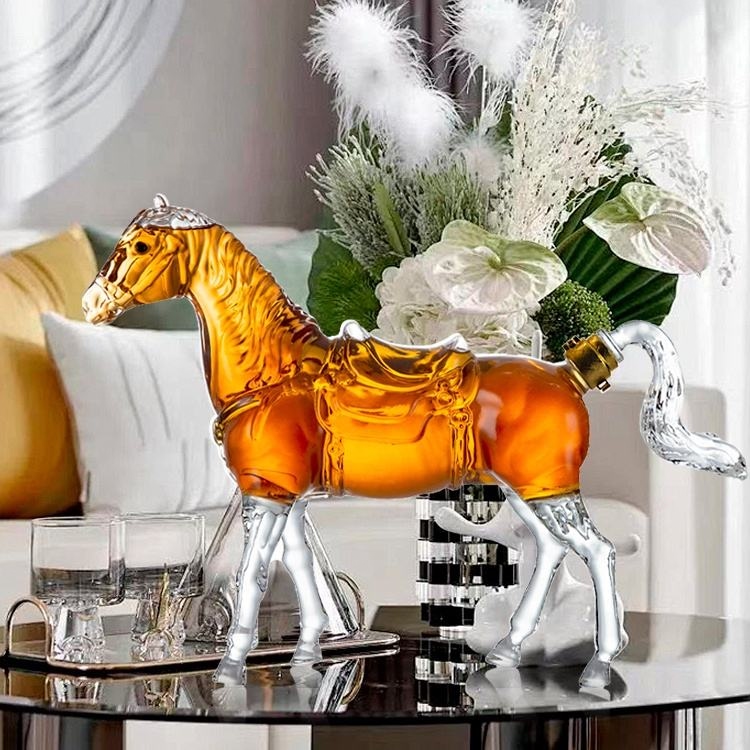
For spirits, glass type matters more than many people think. Borosilicate offers strong heat shock control and very clean chemistry. Jars, decanters, and bottles that follow what you need to know about borosilicate glass bottles and borosilicate vs standard glass comparisons will age spirits in a safer way.
Hebei plants use borosilicate more often for decanters. These lines support themes like why borosilicate whisky decanters work well and borosilicate glass long-term clarity advantages. Guangdong plants still make strong work here, but many high-volume items use soda-lime glass covered in soda-lime vs borosilicate explainers and borosilicate vs soda-lime comparisons.
Both regions can reach global safety rules when buyers ask for clear specs: lead-free, food-safe, and tested. Good buyers link their RFQs to pages such as why choosing lead-free and food-safe materials is essential and expert guides to material safety for food-grade jars.
Cost, lead time, and total landed cost
Hebei decanters often cost 30–50% more per unit than Guangdong work. This comes from more hand work, more checks, and more time on each piece. Many premium decanters fall in line with bestselling borosilicate whisky decanter design tips and borosilicate decanter branding options. Retail price can absorb this if the brand story is strong.
Guangdong wins on base unit price and port access. Coastal ports cut freight. This helps bulk SKUs like glass jars wholesale ranges and glass jar uses from storage to decoration. But total landed cost must include inspection, reject rates, and rework. That is why many importers build budgets around sterilizing glass bottles guides and how to properly store vodka bottles.
One simple way to test both sides is to cost a full set: bottle, stopper, gift box, inserts, and freight. Then compare margin using size guides like tequila bottle sizes and a comprehensive guide to glass jar sizes. The clear picture often shows Hebei for higher ticket SKUs and Guangdong for entry lines.
How to brief and onboard a glass supplier in China
A clear brief saves time in both Hebei and Guangdong. Start with shape, size, wall thickness, neck style, closure, and target weight. Use tools from glass bottle molds and prototypes for unique bottles and prototype custom bottle workflows to make drawings simple.
Then check the plant. Ask for furnace photos, QC lab shots, and certificates that match pages such as a simple guide to choosing glass container suppliers and a simple guide to Chinese glass jar manufacturers. Tie every PO to a written spec sheet.
For complex work, follow an OEM path: RFQ → drawing → sample → test → pilot run → mass run. The steps match guides like OEM-ODM borosilicate decanters from design to production and step-by-step OEM onboarding for glassware. In one tequila bottle project, a buyer shared full label art, closure samples, and a shelf photo from their top rival. It cut back-and-forth by half and gave a near-perfect first sample.
Dual-sourcing strategy: use Hebei and Guangdong together
Many strong brands now use both regions at once. A common mix is 60% of sales from premium SKUs and 40% from value lines. Hebei carries high-story items such as wooden stand globe decanters, globe decanter sets, and borosilicate glass decanter sets. Guangdong backs them with volume pieces and jar programs for wide shelf reach.
For agave spirits, a smart mix is to source hero bottles like tequila with agave plant in bottle or tequila bottles with flower details from Hebei, while standard sizes follow guides such as ultimate guide to tequila bottle sizes and tequila bottle sizes from higher-volume lines.
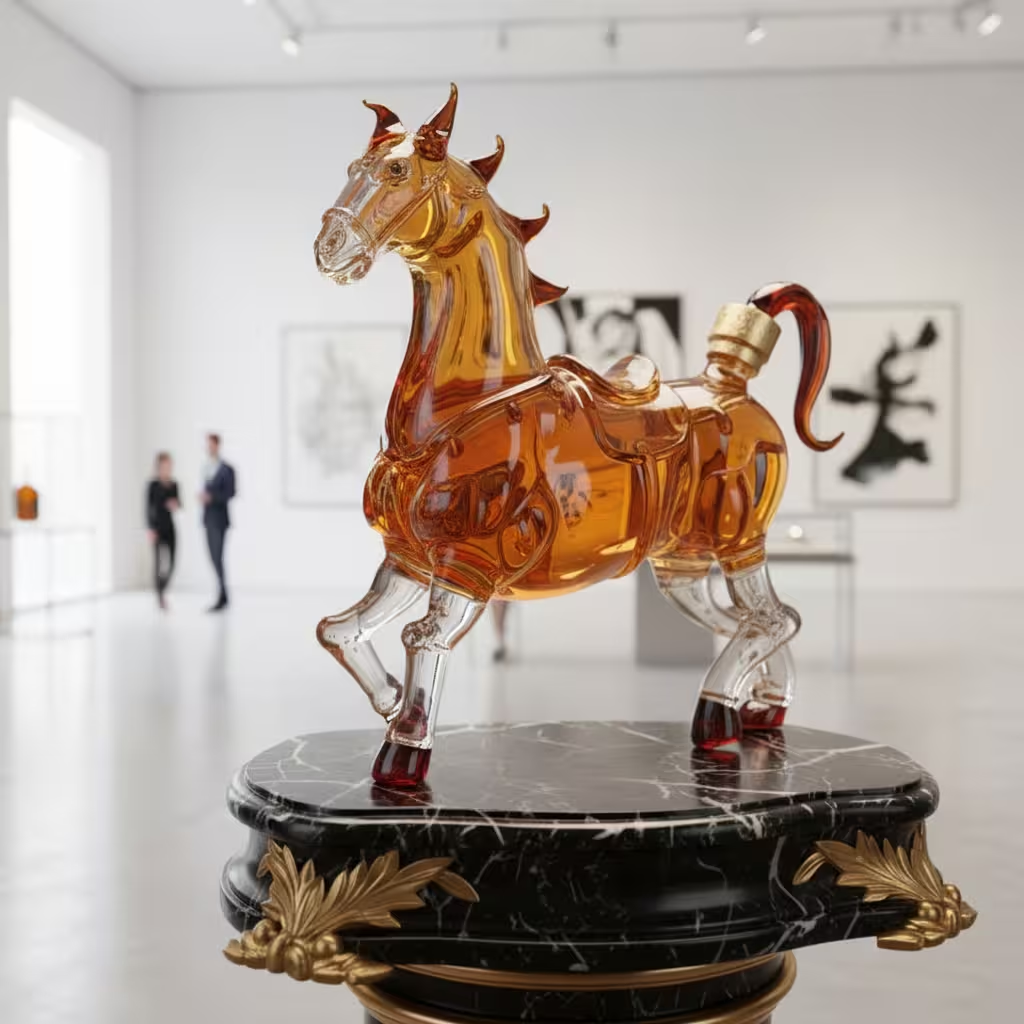
Dual-sourcing also supports full packaging ecosystems. Hebei can handle special borosilicate jars, custom lids, and lampworked showpieces from borosilicate mason jar manufacturer guides and the special way unique glass jars are made. Guangdong can support broad jar ranges from glass jars wholesale guides and wholesale unique glass jars.
Frequently Asked Questions: Hebei vs. Guangdong supplier comparison
Q1. Which region should a new premium whisky brand test first?
A new premium brand can start with Hebei. Plants there already focus on borosilicate, hand-blown work, and strong QC. Test one or two hero SKUs that match ideas from bestselling borosilicate whisky decanter design tips and luxury bottle shapes. Once quality feels stable, expand the line.
Q2. How big should my first Hebei and Guangdong orders be?
For Hebei, many buyers start with 500–1,000 pieces per SKU. This fits hand work and keeps risk small. For Guangdong, trial orders often start at 2,000–5,000 pieces. Pair every Guangdong order with clear QC rules linked to glass bottle mold craftsmanship and third-party checks.
Q3. Can both regions handle complex skull or AK-47 bottles?
Yes. Hebei suits complex lampworked collectors’ pieces like skull tequila bottles and dragon tequila bottles. Guangdong suits larger runs for items similar to AK-47 whiskey bottle lines when cost is the main driver.
Q4. Where should I source jars and closures if I already buy decanters?
If you already work with Hebei on decanters, you can add special borosilicate jars and lids using ideas from a guide to materials used in unique glass jars. If you use Guangdong for bulk SKUs, extend that link to broad jar lines guided by glass jars wholesale.
Q5. How do I switch from a weak supplier without breaking my line?
Keep the current supplier until the new one passes sample and pilot runs. Use tools from step-by-step OEM onboarding to move drawings, molds, and packaging specs. A dual-sourcing period, even for three months, gives your team time to check quality and logistics before a full move to a new Hebei or Guangdong partner.
Key Takeaways
| Region / Cluster | Best Use Case for Decanters | Example Focus Links |
|---|---|---|
| Shandong | Pharma-grade borosilicate, safe storage, strict QC | borosilicate whisky decanters OEM |
| Zhejiang | Premium finishing, coatings, branding, colors | borosilicate decanter branding options |
| Guangdong | Large-scale production, retail chain volume, promo sets | unique glass bottles wholesale guide |
| Hebei | Precise borosilicate parts and creative shapes (guns, bikes) | unique tequila decanter in AK-47 design |
| Shanxi (Qixian) | Handblown art pieces, hero SKUs, collector sets | hand-blown globe decanter |
| Anhui & Jiangsu | Raw material base and one-stop bottle / jar cluster | glass jars wholesale guide |
Why China Leads in Borosilicate Decanter Manufacturing
China leads the Top Glass Manufacturing Regions in China story because it links strong raw materials, skilled people, and fast export routes in one place. Sand and boron resources feed large borosilicate tanks. Smart furnaces keep heat steady and power use low.
You can see how this helps safe spirits storage in the why borosilicate whisky decanters guide. It explains why borosilicate keeps flavor clean and stable. For a deeper look at uses beyond decanters, study borosilicate glass application and development.
Many buyers first ask what this material is in simple terms. A clear start is what is a borosilicate glass bottle, plus borosilicate vs standard glass. For jar and container sourcing, borosilicate glass bottles basics and borosilicate glass vs Pyrex help you set specs before you even talk to a factory.
Matching Top Glass Manufacturing Regions in China to Your Needs
The smart way to use the Top Glass Manufacturing Regions in China is to match each cluster to one job. Do not pick a region only by price. First, list your target products and brands. Then pair each product type with a region.
For classic whisky lines, use borosilicate whisky decanters OEM with OEM/ODM borosilicate decanters from design to production. For strong hero shapes, work from custom shapes whisky decanters and custom bottle designs that show brand personality.
Use bestselling borosilicate whisky decanter design tips and borosilicate decanter glass colors and whisky appeal to shape the design brief you send to your chosen region. When you plan a wide bottle or jar range from one cluster, the custom glassware manufacturing guide and the hub for all Ingcho products give useful case studies by shape and size.
Shandong: Technical Borosilicate Powerhouse for Safe Spirits
Shandong shines when you care most about strict quality and safe storage. Many plants here first grew with pharma vials and labware. The same skill now supports stable, lead-free decanter lines.
Start your spec sheet with safety benefits of lead-free borosilicate glass. Pair this with borosilicate glass heat and chemical resistance for alcohol storage so you can ask for real test data. For buyers who still work with soda-lime, borosilicate vs soda-lime glass comparison helps you explain to your team why a price gap often makes sense.
If you want long shelf life with no haze, lock in the rules from borosilicate glass long-term clarity and optical advantage. For full decanter sets, combine these rules with borosilicate glass decanter set and lead-free glass decanter wholesale. Shandong partners work well when you send a clear brief and give them room to pick the right furnace and annealing plan. In my own projects, this region has given the lowest claim rate once specs were fixed in writing.
Zhejiang: High-End Finishing for Premium Decanter Brands
Zhejiang is the place for brands that need clean lines, fine color work, and sharp surface detail. Plants here handle cutting, frosting, plating, and complex print work on a daily basis. This makes the province strong for top shelf ranges.
Start with bestselling borosilicate whisky decanter design tips and borosilicate decanter branding options. You can layer glass tone ideas from borosilicate decanter glass colors and whisky appeal. Shape language for your line grows well from luxury bottle shapes where elegance meets function and glass explained: soda-lime vs borosilicate and bottle shapes.
For wide product trees, link Zhejiang finishing skill with glass decanter category and the custom glass bottle category. For skull or crystal head ranges, use crystal head vodka glass bottle and skull head whiskey bottle. For rose and ship shapes, work with interior rose 750ml glass bottle and custom ship shaped wine bottle. These items show how fine detail and smooth surface work stay stable at real production scale.
Guangdong: Large-Scale Output for Big Volume Orders
Guangdong is built for volume. Many retail chains, duty free groups, and gifting brands use this region when they need thousands or tens of thousands of pieces per style. Labor, tooling, and packing all sit near big ports.
When you run many SKUs, shape planning starts with glass bottles of various sizes and shapes guide and the different shapes of glass bottles. For cost-focused lines, unique glass bottles wholesale and a simple guide to choosing glass container suppliers give a clean checklist.
For globe sets, use the globe decanter category along with globe whiskey decanter, globe wine decanter, globe decanter and glasses, glass globe decanter, and globe decanter set. For jar add-ons in the same shipment, link to glass jars category plus glass jars with lids manufacturer to share cartons. All of this works well with barware presents such as the barware gift set for resale.
Hebei: Precision and Creative Shapes in the Heart of China
Hebei shines in precise borosilicate work for lab glass, sight glass, and tight-tolerance pieces. This skill also suits technical decanter parts like stoppers and matching glassware. For these projects, lean on hand-blown borosilicate glassware process and benefits and borosilicate vs traditional glass for spirits storage.
Hebei stands out with creative shapes: guns, bikes, and bold theme bottles. For gun styles, see unique tequila decanter in AK-47 design, AK-47 tequila bottle collector guide, flavors and craftsmanship, and discover the intrigue of tequila bottle guns.
To move from idea to real product, use glass bottle molds and prototypes guide, exploration of glass bottle mold craftsmanship, and prototype custom bottle. These tools help when you brief a central China partner to turn a sketch into a sample.
Shanxi (Qixian): Handblown Craft for Signature Collections
Shanxi’s Qixian County is a legend in handblown glass. If you need one decanter in your line that fans will talk about for years, start here. Skilled workers shape glass by hand day after day and pass that skill down.
For globe pieces, link Qixian to hand-blown globe decanter, etched globe whiskey decanter, and guides such as globe decanters complete guide, best globe decanter supplier, best countries for globe decanters, and private label globe decanters.
For tequila art, use masterpieces in glass artistic tequila bottles, tequila bottle designs, the artistic allure of skull tequila bottles, and dragon tequila bottle artistry. Product links such as dragon borosilicate glass bottle, handcraft borosilicate glass liquor bottle, and skull head whiskey bottle show what hand skill looks like in real glass.
Anhui and Jiangsu: Raw Material Strength and One-Stop Containers
Anhui’s Fengyang area holds huge quartz sand reserves. This helps keep raw material quality high and stable. When you mix this with local plants, you get sharp cost control and long term supply. Jiangsu’s Xuzhou city then acts as a big hub for jars, bottles, and decanters.
Jar buyers should start with glass jars wholesale guide, a comprehensive guide to glass jar sizes, wholesale unique glass jars, and the special way unique glass jars are made. Supplier choice becomes easier with a simple guide to Chinese glass jar manufacturers and a guide to B2B marketplaces for glass jars.
To plan full jar sets, use glass jar uses from storage to decoration, discover the elegance of unique glass jars wholesale, discover the beauty and versatility of personalized glass jars, and customized labels for jars. Product pages such as glass jar with bamboo spoon, glass jar with natural cork stopper lid, coffee bean glass jar, and glass square jar with lid show how this region supports full food, coffee, and decor lines.
Quality Checks, Certifications, and Material Safety
Strong sourcing from any Top Glass Manufacturing Regions in China needs clear quality rules. Make a short checklist and use it with each quote.
First, lock food-safe rules with an expert guide to material safety for food-grade jars, why the material of your jar matters, and why choosing lead-free and food-safe materials is essential. For jars and bottles used with heat or hot fill, bring in borosilicate glass vs standard glass choice and borosilicate vs regular glass clarity appeal.
Next, plan how end users will clean and re-use your glass. Guides like sterilizing glass bottles, how to sterilize jars for preserving food, and DIY glass painting on jars help you map real use cases to test plans. For lids, pair this with a guide to custom lid types. If you split lines between hand and machine work, handcrafted vs machine-made jars is a fast primer.
Sourcing Strategy: From OEM Brief to Globe and Tequila Bottle Lines
A clear sourcing plan saves time with any region. Start with your brief, not with unit cost. Use step-by-step OEM onboarding guide for glassware and custom glassware manufacturing overview to shape that brief.
For design, rely on glass bottle molds and prototypes guide, exploration of mold craftsmanship, and prototype custom bottle. They help you move from sketch to sample. Then pick your cluster: globe sets from best globe decanter supplier, the art and science of crafting globe decanters, emerging trends in the globe decanter market, and new ideas for globe decanter designs.
For tequila lines, match region skill with design content such as glassblowing techniques for agave tequila bottles, how agave tequila bottles are made, behind the scenes tequila bottle manufacturing, unveiling the art of tequila bottle design, and masterpieces in artistic tequila bottles. Then pick products from tequila bottle category such as tequila bottle skull, tequila bottle with dragon, tequila bottle with flower, and tequila with agave plant in bottle.
Future Trends for Borosilicate Decanter Buyers
Trends in the Top Glass Manufacturing Regions in China move in three clear lines: design, safety, and material choice.
On design, watch 2025 glass packaging design trends and market trends in unique glass jars. Jar and bottle lines now share shapes, lid work, and color stories so they look like one family. Guides like how cultural preferences shape jar design and building your ultimate tequila bottle collection help with local fit.
For spirits, more brands move to cleaner glass and fewer additives. Study borosilicate glass benefits for tequila, additive-free tequila bottles, glass vs plastic tequila bottles, tequila bottle sizes, ultimate guide to tequila bottle sizes, and history of glass tequila bottles. On clarity and storage, borosilicate vs traditional glass for spirits storage, borosilicate vs regular glass clarity appeal, and glass explained soda-lime vs borosilicate give the test logic you need.
Extra Design and Use Resources You Can Tie to Any Region
To round out your plan across all Top Glass Manufacturing Regions in China, use these guides to sharpen each brief:
- For whisky lines:
- For vodka lines:
- For agave and tequila stories:
For even finer control across jars and bottles, see a guide to materials used in unique glass jars, market trends in unique glass jars, the clear choice borosilicate mason jar manufacturer, borosilicate glass jars manufacturer lampworked designs, and why borosilicate glass bottles matter.
Frequently Asked Questions: Top Glass Manufacturing Regions in China
Q1. Which glass manufacturing region in China is best for small MOQs of borosilicate decanters? Hebei and parts of Jiangsu often accept lower MOQs, mainly for creative sets and mixed orders. Check sample and MOQ notes in guides like unique tequila decanter in AK-47 design and pair them with jar and bottle hubs such as glass jars wholesale guide.
Q2. Where should I source handblown globe decanters? For handblown hero pieces, use Shanxi (Qixian) and link that choice with hand-blown globe decanter, etched globe whiskey decanter, wooden stand globe decanter, and globe decanter with matching glasses.
Q3. Which region is best for tequila gun or skull bottles? Central clusters and artisan plants are strong here. Match creative lines to products such as AK-47 whiskey bottle collector tips, elevate your experience with AK-47 whiskey glassware, tequila bottle with skull article, discover the intrigue of tequila bottle guns, and product pages like tequila bottle skull.
Q4. How do I choose a region if I sell both jars and decanters? Pick one main jar cluster such as Anhui or Jiangsu, then match decanters from the same or nearby ports. Plan your full range with glass jar uses, discover the elegance of unique glass jars wholesale, personalized glass bottles, and personalized glass jars.
Q5. How can I check if the “borosilicate” claim is real? Ask for test reports that match the rules in borosilicate glass application and development, safety benefits of lead-free borosilicate glass, and borosilicate vs soda-lime glass comparison. Use simple checks from an expert guide to material safety and why choosing lead-free and food-safe materials is essential. When in doubt, send a sample to a lab and test thermal shock and composition against those standards.
Key Takeaways
| Point | What it means for your project |
|---|---|
| Material choice | Borosilicate keeps whisky safe from heat and chemical change over long storage. |
| Custom shapes | Globe, skull, dragon, AK-47 and ship forms help a brand stand out on the shelf. |
| Branding | Etching, printing, and embossing turn each decanter into a clear brand story. |
| Color and clarity | Clear glass shows color. Amber and smoked glass guard against light. |
| OEM / ODM flow | A clear brief, good molds, and small test runs cut risk and waste. |
| Safety focus | Lead-free glass and food-grade checks protect drinkers and the brand. |
| Upsell sets | Matching glasses, jars, and stands grow average order value. |
Why Borosilicate Is a Smart Base for Custom Whisky Decanters
Borosilicate glass stays stable when heat shifts fast. This makes it safe for hot rooms, cold bars, and long sea freight. It keeps whisky stable when other glass can crack or stress. For a deeper view of these points, use the guide on why borosilicate whisky decanters work well.
The mix of silica and boron gives low thermal expansion. This means the decanter shape stays true and stoppers keep a tight seal. Strong data on heat and chemical stability sits in the post on borosilicate glass heat and chemical resistance for alcohol storage.
Lead is a real risk in some crystal decanters. Borosilicate skips this risk. It is fully lead-free and works well with food-safe rules. Brands that want safe long-term storage can study the safety benefits of lead-free borosilicate glass.
Shape Ideas From Globe and Classic Bottles
Shape is the first thing a buyer sees. A simple round or square bottle feels calm. A tall cylinder feels clean and modern. A globe looks like a story piece on a shelf. These ideas sit in the guide on custom shapes for whisky decanters.
Globe forms give space for a ship, plane, or map inside the bottle. They work well for travel themes and export brands. Design notes and market ideas sit in globe decanters – a complete guide for whisky and wine lovers.
Base width and neck length change how a decanter feels in the hand. A wider base cuts the chance of a knock-over. A longer neck gives a slower, smooth pour. For more shape theory, see the different shapes of glass bottles.
Bold Shapes: Skulls, Dragons, AK-47 and Ship Bottles
Some brands need a loud first look. Skulls, dragons, rifles, and ship forms work well for this goal. They fit rock bars, gift shops, and tequila or whisky lines that want a strong image. The skull head whiskey bottle turns a plain shelf into a story spot at once.
Tequila brands often like culture-rich shapes. A full guide on this sits in tequila bottle with skull – a unique blend of culture and aesthetic. For rifle themes, the AK-47 rifle decanter draws instant focus and works well in gift packs.
Dragons and ships suit brands that lean on story and legend. They show well in glass because light moves through the body and tail. For a clear case, see the dragon borosilicate glass bottle.
Glass Color Choices and Long-Term Clarity
Color has two jobs. It sets mood and it blocks light. Clear borosilicate shows the full whisky tone. It fits brands that sell color, age, or cask story. Deep tips on this sit in borosilicate decanter glass colors for whisky appeal.
Amber and smoked tints cut UV and give a warm feel. They are strong picks for brands that ship to hot regions or bright stores. A full clarity view lives in borosilicate glass long-term clarity and optical advantage.
Many teams still ask if standard soda-lime glass is enough. A clear answer sits in borosilicate vs soda lime glass comparison. A second view for jars and bottles stands in borosilicate glass vs standard glass.
Branding Zones: Etching, Printing and Embossing on Borosilicate
Branding should feel strong but not loud. The neck, shoulder, base, and body each hold a clear job. Etching on the globe or front panel feels calm and high end. Full options appear in borosilicate decanter branding options.
Screen or UV print works well when a label must show full color. It is fast and fits both short and long runs. See custom bottle designs that unleash your brand’s personality for layout ideas.
Embossed logos in the mold feel rich to the touch and last for the life of the bottle. Jar lines gain a lot from label work too. Label ideas sit in customized labels for jars.
OEM / ODM Project Flow From Sketch to Mass Production
A clear OEM flow saves time and cost. First, set a simple brief with shape, size, color, and target price. For full steps, see OEM / ODM borosilicate decanters from design to production.
Then move to drawings and 3D files. A good supplier checks wall thickness, base width, and neck fit. For a wider view across glassware, see the step-by-step OEM onboarding guide for glassware.
Next, molds and samples start. A smart plan is a small run that proves pour, seal, and pack strength. Teams that need deep custom forms can study prototype custom bottle ideas.
Testing Heat, Safety and Long-Term Storage
Borosilicate must pass real tests, not just lab words. Heat tests move a bottle from hot to cold and back. This checks cracks and stress lines. A helpful frame for this sits in borosilicate glass application and development.
Food-grade work is key. A project should include tests for metals and organics that may leak into the drink. Guides like why choosing lead-free and food-safe materials is essential for your health give clear rules.
Many brands sell both jars and decanters. They can use the same rules from an expert guide to material safety for food-grade jars. This keeps all lines under one safe frame.
Designing a Bestseller for Retail, Bars and Gift Shops
A strong decanter does three things. It looks good, pours well, and tells one clear brand story. This is the core idea in bestselling borosilicate whisky decanter design tips.
Trends shift, but some lines stay strong. Globe sets, skull bottles, and AK-47 themes keep a loyal base in many markets. To align with wider pack moves in drinks, see 2025 glass packaging design trends.
Jar lines also echo trend lines. Wide data on jar shapes and growth sits in market trends in unique glass jars. This helps a brand plan full families of packs, not just one hero decanter.
Decanter Sets, Jars and Add-Ons for Extra Value
A good decanter can stand alone. A set can grow order size fast. Globe sets with two or four glasses show this clearly in the borosilicate glass decanter set and globe decanter with matching glasses.
Jars work as snack or garnish add-ons in bar gift sets. Full jar ranges sit under glass jars wholesale and wholesale unique glass jars.
Gift packs that mix decanters, jars, and tools like tongs fit well for resale. Ideas sit in barware gift set for resale.
Ideas for Tequila, Vodka and Agave Bottles in Borosilicate
Tequila lines gain a lot from shaped borosilicate. Skulls, dragons, and agave-in-bottle designs feel like art and gift in one. See borosilicate glass benefits for tequila and tequila bottle designs.
Size and line planning matter. Guides like tequila bottle sizes and the ultimate guide to tequila bottle sizes help a team set SKUs.
Vodka brands also use shape and size to stand out. Strong support sits in vodka bottle shapes – what they mean and why they matter and everything you need to know about vodka bottle sizes. For base glass choice, see what you need to know about borosilicate glass bottles.
Supplier Brief Checklist Based on Ingcho’s Range
A short, clear brief helps a supplier move fast. Start with bottle size, neck type, closure, and fill volume. Then add target shape, color, and logo method. The post on borosilicate glass manufacturers gives a good start.
For jar and container lines, see a simple guide to choosing glass container suppliers and a simple guide to Chinese glass jar manufacturers.
If your team buys through online trade sites, look at a guide to B2B marketplaces for glass jars. This saves time on search and RFQs.
Further Guides on Glass Jars, Lids and Bottle Molds
Many whisky and tequila brands also sell syrups, snacks, and mixers. Jar and mold guides support these lines:
- Glass bottles of various sizes and shapes
- Glass explained – soda lime vs borosilicate and the power of bottle shapes
- What is a borosilicate glass bottle?
- An exploration of glass bottle mold craftsmanship
- Glass bottle molds and prototypes
Jar-specific lines can lean on:
- Glass jars wholesale guide
- A comprehensive guide to glass jar sizes
- Unique glass jars wholesale
- Discover the beauty and versatility of personalized glass jars
- Glass jar uses from storage to decoration
- Handcrafted vs machine-made jars
- A guide to custom lid types
For food and health lines:
- Why the material of your jar matters
- Why choosing lead-free and food-safe materials is essential
- Sterilizing glass bottles – the comprehensive guide
- How to sterilize jars for preserving food
Culture and design input for wider lines:
- How cultural preferences shape jar design
- The special way unique glass jars are made
- Borosilicate glass jars manufacturer – lampworked designs
- A guide to materials used in unique glass jars
Frequently Asked Questions About Custom Borosilicate Decanters
How safe is long-term whisky storage in borosilicate decanters?
Borosilicate is lead-free and very stable. It resists heat and chemical change, so whisky can sit for a long time without risk. The posts on safety benefits of lead-free borosilicate glass and borosilicate vs traditional glass for spirits storage give more detail.
What is a whisky decanter used for in a bar or home?
A decanter lets a brand or host show whisky in a clear and calm way. It also makes pouring easy and neat. Good summaries sit in what is a whiskey decanter used for and whiskey decanter purpose.
What minimum order quantity should I plan for?
Most custom borosilicate projects start at 500–1,000 units. Complex shapes or heavy embossing may need more. A wide view of options across shapes and uses sits on the Ingcho products page and glass decanter category.
How do I choose between clear and amber glass?
Clear glass shows the whisky color in full. Amber or smoked glass gives better light block and a warm mood. For a simple side-by-side view, see borosilicate decanter glass colors for whisky appeal and borosilicate vs regular glass clarity appeal.
Where can I see more real project ideas in one place?
The Ingcho blog holds deep guides on globe decanters, shaped tequila bottles, jars, and more. Posts like unique glass bottles wholesale and personalized glass bottles help a team plan a full glass range, not just a single decanter.
Key Takeaways
- Pick a clear goal: shape, pour, and brand must serve one story.
- Use borosilicate: safe, clear, heat-ready, long life.
- Test grip, balance, and stopper seal on real samples.
- Keep logos simple. Etch for life. Print for color pop.
- Choose color on purpose: clear to show hue; amber to guard light.
- Write tight specs. Lock stroke width, wall, and neck sizes.
- Pack well. Add cloth, brush, and care card for fewer returns.
- Start small (500–1,000). Learn fast. Then scale.
Define the Bestseller Goal (Story + Function)
Pick one story. Do you want heritage, travel, or modern edge? Your shape, color, and logo must support that story. List three user jobs: easy pour, good grip, safe seal. Write specs for each job. Set target weight and base width for stability. For process and timing, read OEM/ODM design to production. Choose a form that matches that story using custom shapes for whisky decanters. I once cut return rate by 15% just by widening the base by 4 mm. Small moves win. Keep the brief short. One page is enough to align teams fast.
Pick Borosilicate for Safety and Shine
Use borosilicate. It resists heat. It resists alcohol. It stays clear for years. This keeps taste pure. It also cuts crack risk during hot-to-cold change. Learn why it wins in why borosilicate whisky decanters. Set care limits with heat & chemical resistance for alcohol storage. A clear, tough body helps branding too. Etch lines read well. Prints cure clean. I swapped a client from soda-lime to borosilicate and removed clouding on month three. Reviews jumped. Sales followed. Safe glass builds trust and repeat buys.
Shape and Ergonomics That Sell
Hold a sample with wet hands. Test the grip. Tilt and pour at a slow rate. Watch the stream. Fix drip points with a small lip change. Keep the center of gravity low. Wide bases feel safe. Pick shapes that buyers understand, then add one fresh twist. Browse winning forms in custom shapes for whisky decanters. Hand-feel matters more than CAD. I moved a handle by 6 mm and cut spills by half. Use a short, repeatable test: three pours, three grip swaps. Log every change. This turns taste into data.
Branding: Etch, Print, or Emboss
Etch for forever marks. Print for strong color. Emboss for 3D feel. Keep strokes ≥0.35 mm for laser clarity. On dark bodies, add a white underbase for prints. Plan your method with decanter branding options. For clean edges and fit, align artwork early with glass bottle molds & prototypes. I once raised line weight from 0.2 to 0.35 mm and fixed faint logos on a 1,000-unit run. Keep the logo small but bold. One icon beats a busy label. Buyers want simple and sharp.
Color Choices for Whisky Appeal
Color sets the mood. Clear shows true hue. Amber guards light and adds warmth. Smoked gives drama. Soft green or blue sells themes. Read deeper in borosilicate decanter glass colors—whisky appeal. Keep clarity high; compare notes in borosilicate vs regular glass—clarity appeal. Field tip: I A/B tested amber vs clear near a window. Amber held nose better after two weeks. If you sell sets, match tint with base and cap. Warm wood loves amber. Brushed steel loves smoked.
Stopper, Seal, and Pour Control
A bestseller needs a tight seal. Use ground glass or high-grade cork with food-safe liner. Test pull force. Aim for firm, not hard. Shape the spout to break the stream clean. Pair with short-rim glasses for easy target. See pairing ideas in globe decanter with matching glasses. Teach use and care from day one with what a whiskey decanter is used for. I fixed drips by adding a 0.8 mm inner lip. Returns dropped. Reviews praised the “clean pour.” Small geometry wins.
Prototype Fast: Lock Fit and Finish
Run 5–20 samples. Check leaks, stopper fit, wall evenness, and logo edge. Photograph each unit in soft light. Mark pass or fail. Fix now. Do not scale issues. Use prototype custom bottle to capture tone, wall, and cap match. Follow the steps and timing in the OEM onboarding guide. Keep a retain sample with signed specs. I once caught a neck drift of 0.6 mm in batch two using a simple go/no-go gauge. That save paid for the whole pilot.
QC and Safety: Zero Surprises
Safety sells. Use lead-free claims you can prove. Test heat-cold shock. Test alcohol soak. Pull-test the stopper. Weigh each unit and track variance. Build your plan from lead-free safety benefits and the expert material safety guide. Keep a tight defect code list: bubbles, scratches, stress lines, logo blur. Log root cause and fix. A clean QC loop protects margins and reviews. Buyers forgive delays. They do not forgive leaks.
Packaging and Gift-Ready Sets
Pack to protect and delight. Use foam or molded pulp. Lock the stopper in its own nest. Add a cloth and a simple care card. Bundle two glasses to lift AOV. See kit ideas in barware gift set for resale and plan your range from the products catalog. Print the tint and capacity on the box. I added a small “pour slow” tip on one flap and cut first-use spills on unbox night. Details make five-star notes.
Launch Small, Scale Smart
Start with one hero SKU. Clear story. Clean look. Tight QC. Run 500–1,000 units. Track returns and reviews. Fix, then scale. Add a second color or shape after win one. Plan lines and margin with private label globe decanters and the custom glassware manufacturing guide. I moved a client from three unproven SKUs to one hero. That one paid for the next five.
Inspiration: Bold Forms That Convert
Statement shapes stop scrolls. They must still pour clean and stand steady. Check daring forms like the AK-47 rifle decanter and artful pieces like the dragon borosilicate glass bottle. Keep stress low with even walls and smooth inner corners. Use simple, bold logos on complex shapes. A quiet mark on a loud body sells class. Test display with warm light for a rich glow. Photos drive adds. Clean pours drive reviews.
Frequently Asked Questions
Do borosilicate decanter glass colors change whisky taste? No. Borosilicate is neutral. Clear shows true hue. Amber guards light and helps nose last on a bright shelf.
Which color gives the strongest whisky appeal? For display, amber wins for warmth and UV guard. For tasting, clear wins for honest color read.
How many links and images should my product page use? Use 2–3 key internal links in each section and one clickable product image per section to guide buyers fast.
What stopper type works best for long use? Ground-glass stoppers or lined corks work well. Test pull force and seal. Keep spare seals in the kit.
How big should my logo be on a smoked body? Small but bold. Use thicker strokes or a white underbase for print. Approve samples before scale.
Key Takeaways
| Color Option | What You See | What It Does for Whisky | Best Use |
|---|---|---|---|
| Clear | Bright, true color | Shows real hue; no UV shield | Tasting, photos |
| Amber/Brown | Warm, vintage look | Blocks UV; slows oxidation | Display, gifts |
| Smoked/Black | Modern, dramatic | Partial light block; high contrast | Bars, night shots |
| Green/Blue | Styled tones | Themed vibes; medium shield | Limited editions |
| Frosted/Gradient | Soft, diffused light | Hides smudges; gentle shield | Premium sets |
Color Goals for Whisky Appeal
Start with a simple goal. Do you want pure color, UV guard, or bold shelf drama? Pick one main aim. Then pick the tint that fits. Map size, stopper, and base early. Borosilicate makes color stable. It keeps whisky safe from heat and odors. Plan your path with the OEM/ODM design to production guide. Choose shapes that match the color mood using custom shapes for whisky decanters. Clear speaks to purists. Amber protects. Smoked sells contrast. Green and blue tell themed stories. Frosted hides smudges and gives a soft glow. Keep it simple. Make one strong choice per SKU.
Clear Borosilicate: Pure Color Read
Clear glass shows the true hue. You see pale gold in young whisky. You see deep copper in long cask time. This helps tasting and photos. Borosilicate stays clear for years. It resists haze and scratches. Read how it keeps shine in long-term clarity. Learn why the base glass matters in why borosilicate whisky decanters. Tip: place clear SKUs near warm light for a rich glow. Keep a soft cloth in the box. Fingerprints show fast on clear walls. I once cut returns by 20% by adding a care card and cloth.
Amber/Brown Tint: UV Guard + Warmth
Amber blocks much of the sun’s UV. It helps slow oxidation. It keeps aroma round for longer. This tint also adds a vintage feel. The shelf looks warm and rich. Borosilicate keeps the tint stable at high heat. See handling limits in heat & chemical resistance. Pair with safe, lead-free claims from safety benefits—lead-free. Small field note: I ran a two-week window test. Amber held nose better than clear on day 14. For gifts, add a wood stand to match the warm tone.
Smoked/Gray/Black: High Contrast Drama
Smoked glass gives a bold look. The whisky glow pops in the dark body. Bars love this because photos look strong. You can tune opacity for mood. Keep walls even to avoid stress. Choose simple logos so marks read on dark tones. Plan your line with the full products catalog. For statement pieces, review the AK-47 rifle decanter. Tip: use matte caps on smoked SKUs. Gloss caps can fight the satin body. I once switched to a satin cap and raised cart adds by 9% in one week.
Green & Blue: Themed Stories
Green feels natural and calm. Blue feels cool and modern. Both colors push a theme. Use them for limited runs or collabs. Keep the tint soft so whisky still shows. Map your build with the custom glassware manufacturing guide. Study clear-to-color contrast on forms like the crystal head bottle. Tip: match label ink to the tint. A blue bottle works with silver and white. A green bottle works with cream and gold. This keeps the set clean and easy to read.
Frosted & Gradients: Soft Light, Clean Look
Frosted glass hides smudges. It spreads light in a soft way. Whisky still glows, but the glare is gone. Gradients add depth from base to rim. Use fine etch lines so marks stay crisp on the matte body. See finish ideas in etched globe whiskey decanter. Compare clarity trade-offs in clarity vs regular glass. Anecdote: I raised etch stroke from 0.25 mm to 0.35 mm on frost and cut misreads to zero. Pack a soft brush in the kit. Matte hides dust but still needs care.
OEM/ODM Color Production: How It Works
Color starts in the mix. Makers add safe metal oxides for tint. Borosilicate melts clean and holds color steady. Plan 500–1,000 unit pilots. Lock tone, wall, and cap match. Use 5–20 samples first. Map each step with the OEM onboarding guide. Approve fit and color with a prototype custom bottle. Keep notes on furnace lot, anneal time, and stroke rules. This helps repeat orders match tone. Simple, steady rules make scale smooth.
Branding on Colored Glass: Etch, Print, Emboss
Etch for long life. Print for bright color. Emboss for a 3D feel. Dark tints like smoked need bolder marks. Light tints and clear take fine lines. Keep minimum stroke near 0.35 mm for lasers. Keep print cure full to avoid rub-off. See method picks in decanter branding options. Plan height and relief with glass bottle molds & prototypes. Tip: test white underbase on prints over deep tints. It lifts logos without raising cost much.
QA, Safety & Care for Tinted Glass
Keep safety first. Use lead-free claims and proof. Set tests for leaks, wall, neck, and stopper pull. Run heat-cold shock on each color. Some oxides shift tone if anneal is off. Build your checklist with lead-free safety benefits. Anchor policy with the material safety guide. Care tips: gentle soap, warm water, soft brush. Avoid long sun exposure for any open whisky. Color helps, but caps and dark shelves still do the main work.
Packaging & Merchandising for Color Stories
Show the color first. Use a window box or a clean cutout. Add a care card and cloth. Pair decanters with two glasses to lift AOV. See bundle ideas in globe decanter & glasses. Plan ready-to-sell kits with barware gift set for resale. Tip: match box print to tint. Amber pairs with kraft and black. Smoked pairs with gray and silver. Clear pairs with white and gold. This makes shelves calm and premium.
Frequently Asked Questions
Which color is best for taste? Clear shows true color. Amber helps block UV. Taste stays best in a dark, cool place either way.
Does color change care steps? No big change. Wash with warm water and a soft brush. Avoid long sun time on any decanter.
Can I add logos on smoked glass? Yes. Use etch with thicker strokes or print with a white underbase. Test samples first.
What MOQ should I plan for colored glass? Plan a 500–1,000 unit pilot. Approve samples. Then scale with locked tones and specs.
Which shapes pair well with color? Globe works with clear and amber. Bold forms like AK-47 suit smoked. See more in the products catalog.
