Borosilicate Glass Jars
Choose the jar from the food and filling process, not from a “heat-resistant” label. Ingcho reviews borosilicate jars for dry foods, ambient filling and defined hot-fill projects. The glass body, closure, liner, decoration and thermal process must work as one package. A material name alone does not approve a jar for hot fill, pasteurization, canning or retort.
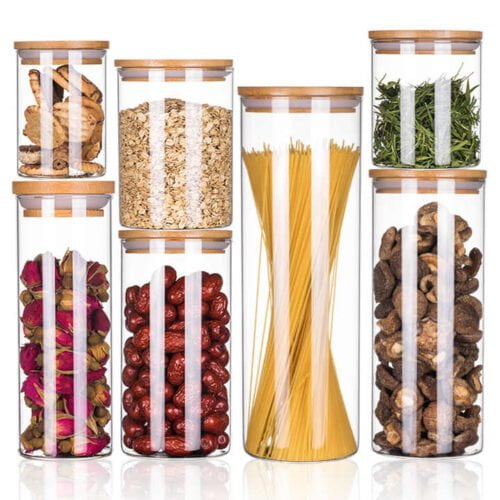
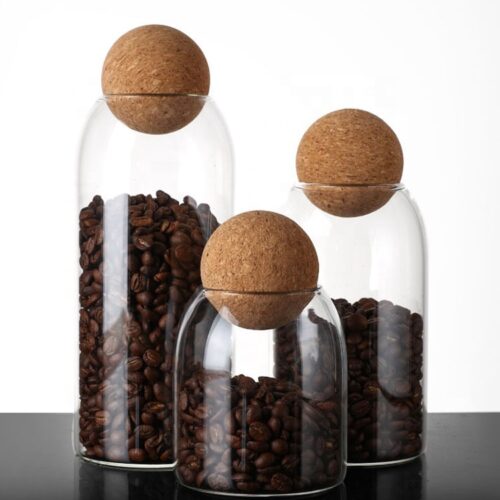
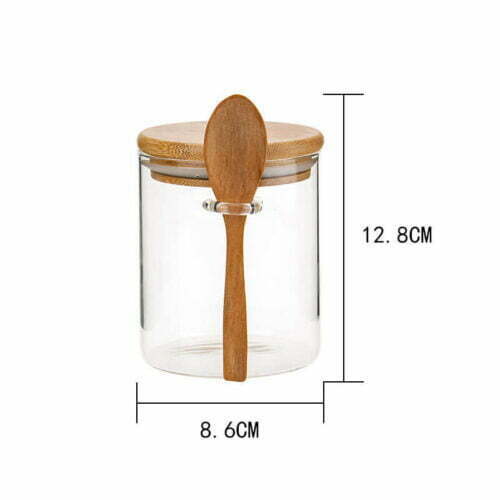
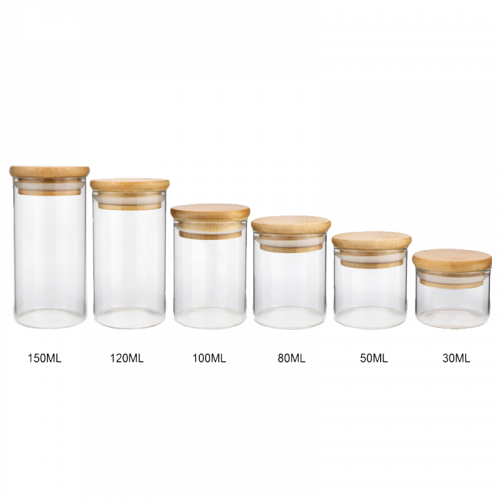
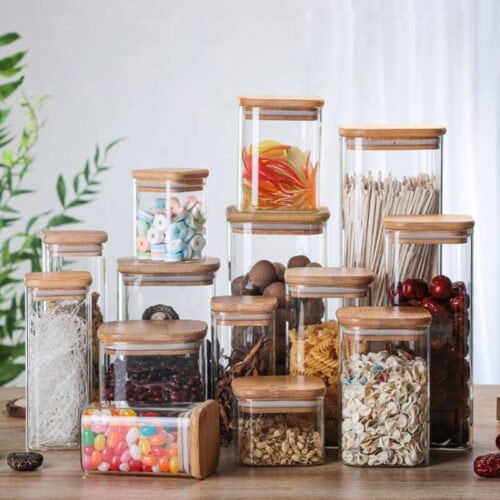
Use the products below as shape and closure references. If you need a different capacity, mouth, lid or retail pack, compare the glass jar size and mouth options before preparing the drawing.
Food and filling conditions
Dry foods: state the food, moisture and aroma barrier needs, opening size, scoop access, closure, gasket, cleaning method and transport pack.
Ambient fill: define the fill level, headspace, neck finish, liner, closure torque, leak test and tamper-evident feature.
Hot fill or pasteurization: provide the product temperature, jar starting temperature, fill temperature, hold time, cooling profile, headspace and closure application method.
Canning or retort: validate the exact food, jar geometry, closure, pressure, heat penetration and process equipment. The jar’s appearance or glass name is not process approval.
Hot-fill performance belongs to the finished package
Borosilicate has lower thermal expansion than common soda-lime container glass. Under the same temperature change, that reduces one source of thermal stress. It does not remove the effects of local wall thickness, scratches, impact damage, fill temperature, cooling rate, process pressure or conveyor handling.
The closure can be the limiting component. A bamboo lid used for dry coffee does not establish performance with a hot, acidic sauce. Specify the lid or stopper, liner or gasket, neck finish, application torque, vacuum requirement and leak test. Decoration and accessory materials also need conditions-of-use and destination-market checks.
Information needed for a jar review
Food and process: product type, pH or other compatibility data, fill temperature, jar preheating, hold time, cooling method, cleaning and storage.
Capacity and geometry: nominal fill, brimful capacity, headspace, height, maximum diameter, mouth opening and critical line clearances.
Closure: neck finish, lid, liner or gasket, sealing method, tamper evidence and leak or vacuum checks.
Appearance: glass request, wall and base effect, acceptable variation, label panel, logo, color and decoration.
Distribution: unit weight, dividers, cushioning, case count, pallet limits, route and package tests.
Market: destination countries and the documents or tests required for the food, materials and conditions of use.
Existing jar or custom development
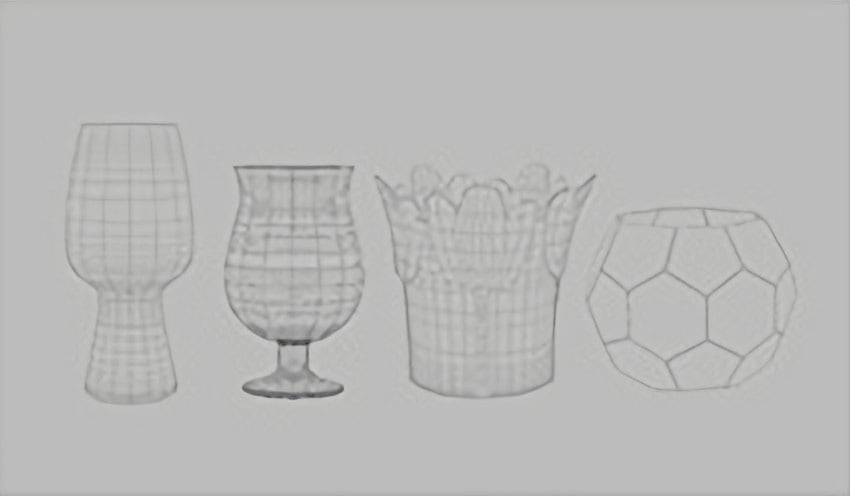
Choose an existing jar when its capacity, mouth and closure already fit the filling line and pack-out. For a new form, mark the sealing, filling and assembly dimensions that control the design. Hand-blown glass has dimensional variation, so the drawing must identify which dimensions are critical.
Send Drawing for Review with the food, filling process, target capacity, dimensions, closure, quantity, destination and packaging brief. Ingcho confirms feasibility, tooling, sample route, MOQ and timing after reviewing the design and process.
Showing all 6 results