Buyer Guides By Topic.
Browse the buyer guides available in this topic.
Key Takeaways
| Feature | Insight |
|---|---|
| Unique Design | The tequila bottle gun is a special bottle shaped like a pistol or rifle. |
| Cultural Link | Many designs honor Mexican history, like the revolutionary hero Pancho Villa. |
| Collector’s Item | These bottles are popular with collectors and people who like unique bar displays. |
| Market Growth | The global tequila market is growing fast, valued at over $14 billion in 2024 and expected to expand. |
| Manufacturing | Making these bottles requires special molds and high-quality glass, like borosilicate glass. |
| Brand Example | Hijos de Villa is a well-known brand that sells tequila in pistol-shaped bottles. |

The Rise of the Tequila Bottle Gun
A tequila bottle gun is a unique container for tequila shaped like a firearm. These bottles grab attention on the shelf. They mix the art of glassmaking with clever marketing. The shape is more than just a novelty; it often tells a story. Many brands use these designs to connect with Mexican culture and history. This makes the bottle a conversation starter. People often buy them as gifts or to display in their home bars. The tequila inside is a quality spirit, making the whole package a special item.
The history of tequila bottles shows a move from simple containers to works of art. Brands use unique bottle designs to stand out. The gun shape is a bold choice that appeals to collectors and those looking for something different.
Cultural Roots and Symbolism
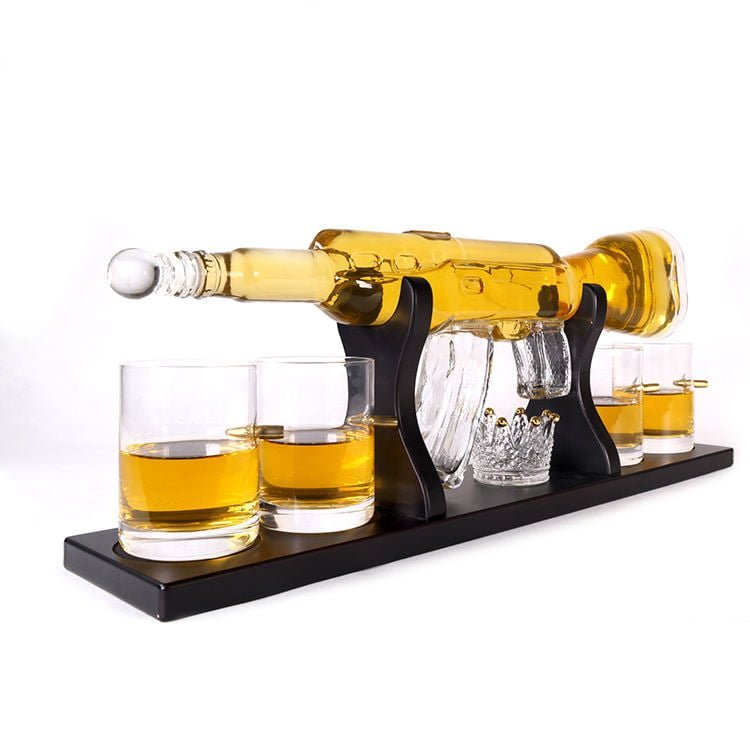
Many tequila gun bottles are linked to the Mexican Revolution. One famous brand, Hijos de Villa, honors the Villanueva Barragan family. They were active during this important time in Mexican history. The gun shape remembers the courage of revolutionary figures. This connection to heritage makes the bottle more than just a container; it is a piece of history.
This storytelling is a key part of what makes these bottles special. Consumers are often looking for products with a meaningful background. Brands that share these stories create a stronger bond with their customers. This is part of the larger trend in artistic tequila bottles that reflect culture.
The Glass Manufacturing Process
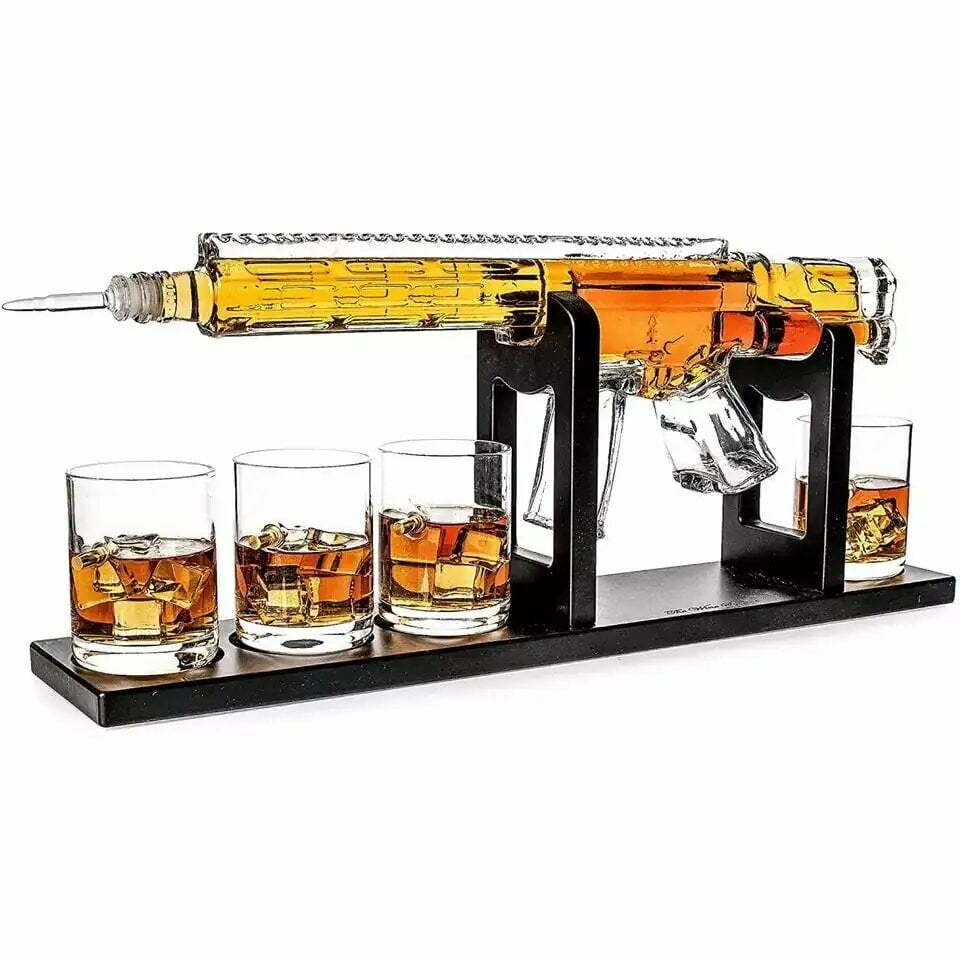
Creating a tequila bottle shaped like a gun is a complex process. It requires custom glass bottle molds to get the shape just right. First, raw materials like sand and limestone are melted at very high temperatures. This molten glass is then placed into a mold. Compressed air blows the glass into the final gun shape. This method is known as the blow-and-blow process.
High-quality glass is very important. Many makers use borosilicate glass because it is strong and clear. This guide to borosilicate glass manufacturers explains why this material is a good choice. The benefits of borosilicate glass for tequila include its durability and resistance to temperature changes. The final step is annealing, where the bottle is slowly cooled to make it stronger. You can learn more about how agave tequila bottles are made through this detailed process.
A World of Unique Bottle Designs
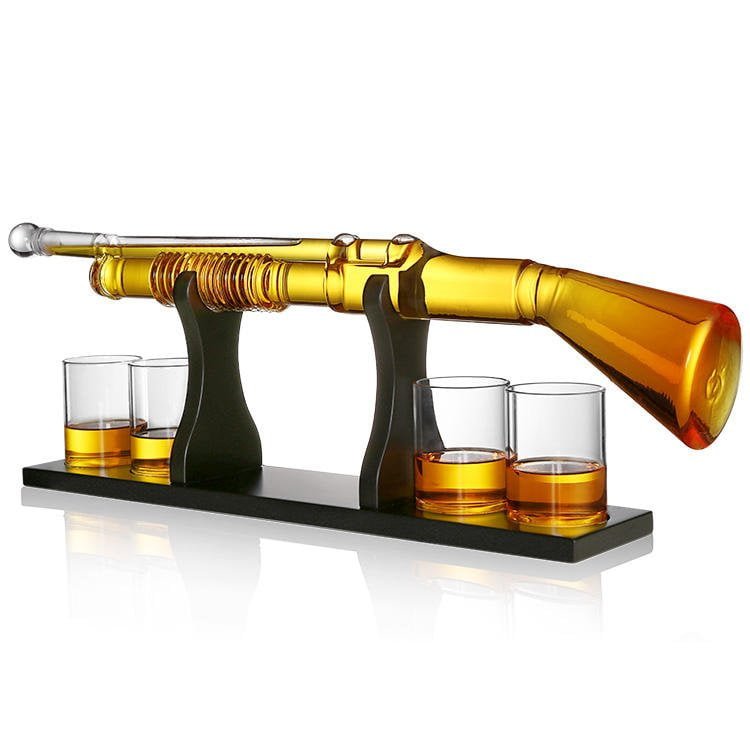
The tequila bottle gun is part of a larger trend of creative bottle shapes. Brands use unique designs to capture the buyer’s eye. This helps unleash a brand’s personality. Other popular shapes include skulls, dragons, and ships. For example, the skull head whiskey bottle and the dragon tequila bottle are very popular. These luxury bottle shapes mix elegance with function.
Other unique designs include:
- AK-47 Whiskey Decanter
- Crystal Head Vodka Glass Bottle
- Custom Ship Shaped Wine Bottle
- Dragon Borosilicate Glass Bottle
- Interior Rose 750ml Glass Bottle
More Than Just Tequila: Decanters and Sets
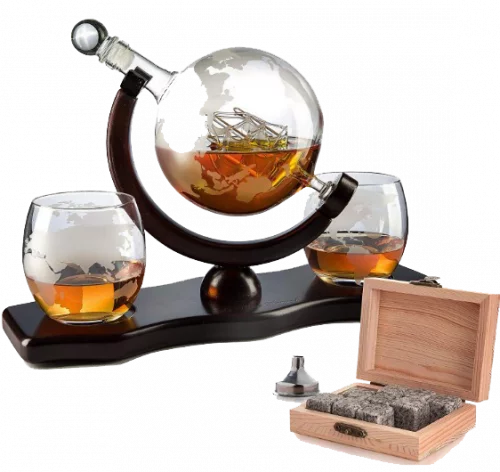
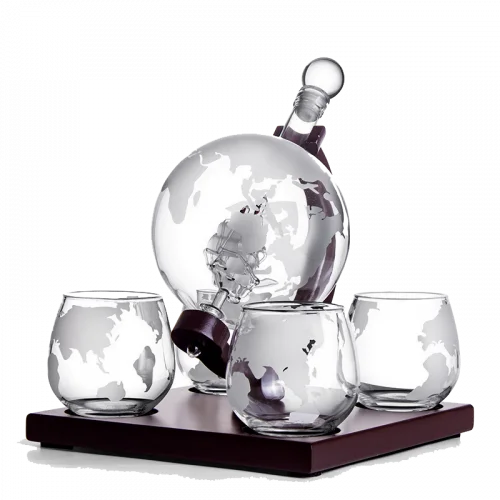
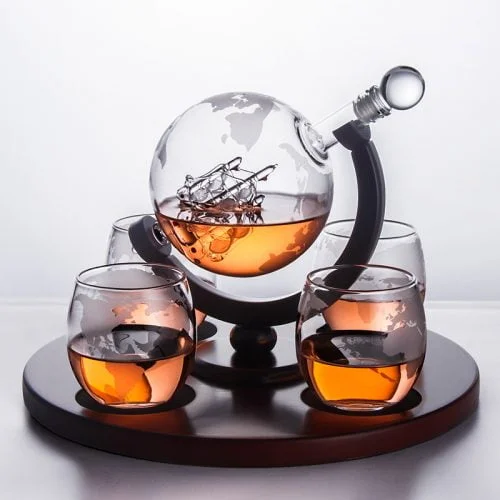
The creativity in beverage containers extends to decanters. A whiskey decanter is used to serve spirits in style. Like tequila gun bottles, decanters come in many shapes. The globe decanter is a popular choice for home bars. These decanters often come with matching glasses.
These sets make great gifts. A globe decanter set adds a touch of class to any room. You can find a globe wine decanter or a globe whiskey decanter. These pieces show the same level of craftsmanship as the most artistic tequila bottles.
The Collector’s Market
Novelty bottles, like the tequila bottle gun, are highly sought after by collectors. People enjoy building the ultimate tequila bottle collection. Some rare bottles can even increase in value over time. The unique design of an AK-47 tequila bottle makes it a centerpiece.
Collectors look for limited editions and individually numbered bottles. The Hijos de Villa brand, for example, offers limited edition pistol bottles. This adds to their appeal. For those interested in collecting, there are helpful collector’s tips and tricks.
Safety and Legal Rules
Selling liquor in novelty bottles has strict rules. All alcoholic beverages must follow government regulations. In the U.S., the Alcohol and Tobacco Tax and Trade Bureau (TTB) sets these rules. Labels must show alcohol content and health warnings. The bottle design cannot appeal to children.
Gun-shaped bottles must be clearly for adults. They cannot look like toys. There are also rules for different bottle sizes. Companies must get a certificate of label approval before selling. This ensures that all products meet safety standards.
The Growing Tequila Market
The global tequila market is booming. It was valued at $9.5 billion in 2023 and is expected to grow to $15.51 billion by 2032. North America is the biggest market for tequila. This growth is driven by a love for premium spirits and cocktails.
Consumers are more interested in high-quality, craft beverages. This trend helps brands that offer unique packaging like the tequila bottle gun. A distinctive bottle can make a product seem more premium. As the market grows, we can expect to see even more innovative tequila bottle designs. For more insights, you can read our blog.
Finding a Manufacturer for Custom Bottles
Brands that want to create their own unique bottles need a reliable manufacturer. A good partner can help with everything from glass bottle molds and prototypes to final production. When choosing a supplier, it is important to look at their experience with custom glassware manufacturing.
Working with a manufacturer that specializes in hand-blown borosilicate glassware ensures high quality. They can help bring new ideas for designs to life. For businesses, finding a source for unique glass bottles wholesale is key to success.
Other Artistic Glassware
The art of glassmaking is not limited to tequila bottles. Many other products feature stunning designs. For example, some tequila bottles have a glass agave plant inside. Others are shaped like a skull. There are even beautiful glass jars with bamboo lids for storing coffee beans or other goods.
These items show the versatility of glass. From a simple glass jar with a cork stopper to an intricate AK-47 rifle decanter, glass can be both useful and beautiful. You can explore a wide variety of glass decanters and glass jars.
The Future of Bottle Design
The world of spirits packaging is always changing. We are seeing more personalized glass bottles that allow brands to connect with customers. Sustainability is also a big trend. Brands are looking for eco-friendly materials and processes.
We may see more smart packaging in the future. QR codes on bottles could tell a brand’s story or offer cocktail recipes. As technology and artistry come together, the future of bottle design looks very exciting. The focus will remain on creating a memorable experience for the consumer. You can find more information about the evolution of tequila bottles and what is next.
Frequently Asked Questions (FAQ)
What is a tequila bottle gun? A tequila bottle gun is a uniquely shaped glass bottle designed to look like a pistol or a rifle. It is a novelty item popular among collectors and as a gift.
What brands make tequila in a gun-shaped bottle? Hijos de Villa is a well-known brand that sells tequila in pistol-shaped bottles to honor its family’s role in the Mexican Revolution. Other brands like Old Carbine and Tequila Institucional also offer gun-shaped bottles.
Is the tequila in a gun bottle real? Yes, the tequila inside these novelty bottles is real. Brands like Hijos de Villa produce quality tequila made from 100% blue agave.
Are tequila gun bottles legal? Yes, they are legal to sell, but they must follow strict government regulations for alcoholic beverage packaging. These rules cover labeling, bottle size, and design to ensure they are not marketed to minors.
Where can I buy a tequila bottle gun? You can find these unique bottles at specialty liquor stores and online retailers. They are often sold as limited editions.
Key Takeaways
| Key point | What B2B buyers should do |
|---|---|
| Skull bottle tequila packaging sells “gift + collect” value | Treat the bottle as a brand asset, not just a container |
| Cultural skull motifs work best when they feel respectful | Keep the story simple and avoid random symbols |
| Premium launches benefit from standout shapes | Pair the hero bottle with standard sizes and clear pricing |
| Borosilicate can reduce chip risk on sharp details | Spec wall thickness and edge polish for deep curves |
| Lead-free + food-safe paperwork prevents costly holds | Request test reports early and keep recipes consistent |
| Packing decides your breakage rate | Lock inner packs, dividers, and pallet rules before mass runs |
What skull bottle tequila packaging signals on a shelf
Skull bottle tequila packaging sells a promise before anyone opens a case. It signals giftable, collectible, and premium in one glance. That is why importers often place skull bottles in seasonal runs, duty-free sets, and limited drops. A strong skull shape also helps a new brand win space on a crowded back bar.

Buyers should treat the bottle as a brand asset, not a container. Match the skull style to the story you want: classic calavera lines, clean modern skull, or bold “monster” features. Then lock the practical parts: stable base, easy grip, and a neck that fits common closures. For more shape ideas, scan this unique glass bottles wholesale guide.
Cultural cues that feel real, not copied
Skull bottles often borrow from Día de los Muertos art. The goal is respect, not costume. A buyer can keep the meaning clear with a few choices: use real skull patterns, avoid random symbols, and keep colors consistent with the brand label system. A clean design also prints well and reduces paint defects in mass runs.
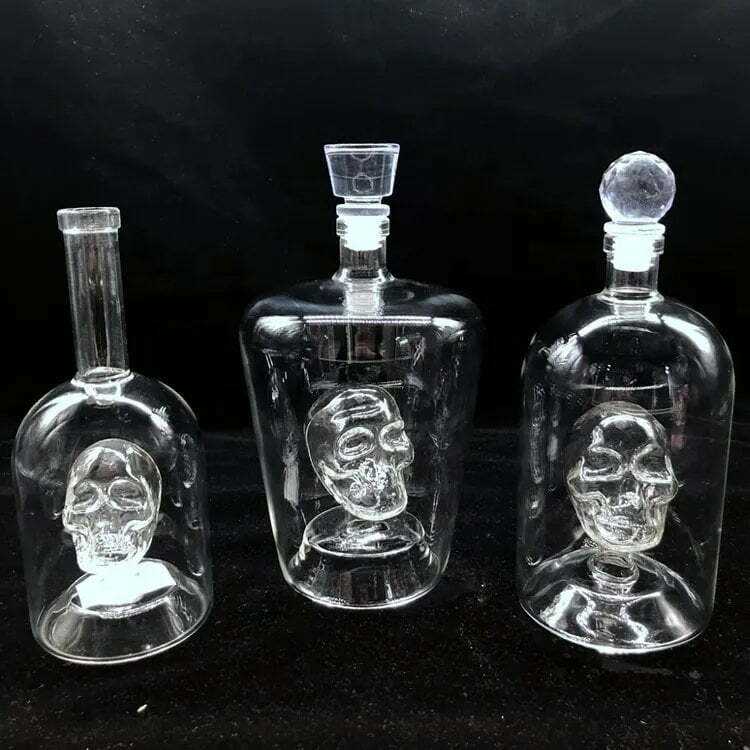
Storytelling works best when it stays simple. Put the cultural note on the carton or neck tag, not as a long paragraph on the front label. If you want a premium “art bottle” look, use references from artistic tequila bottle designs and keep a second, plainer SKU for wider retail.
Why skull bottles win in premium tequila launches
Novel packaging gives a new tequila brand a fast hook. Many shoppers recall the bottle even if they forget the name. That memory matters in premium tiers where gifting and display drive repeat buys. Social posts often focus on the bottle photo first, then the brand second. That is free reach if the design feels special.
Industry estimates place the global tequila market around USD 14–15B (2024–2025), with projections reaching USD 26–31B by 2030–2032.
| Metric | Approx. range |
|---|---|
| Global tequila market (2024–2025) | USD 14–15B |
| Projected market (2030–2032) | USD 26–31B |
| Implied CAGR | ~9–10% |
To turn a cool bottle into sell-through, align the pack with the right size and price ladder. Use this tequila bottle sizes guide and refine the look with tequila bottle design ideas.
Borosilicate vs soda-lime for skull-shaped bottles
Skull shapes have thin points and deep curves. Standard glass can chip at sharp edges if wall thickness drifts. Borosilicate glass helps because it resists thermal shock and stays stable under heat swings during processing. It can also keep clarity longer, which matters when a bottle sits under bar lights for months.
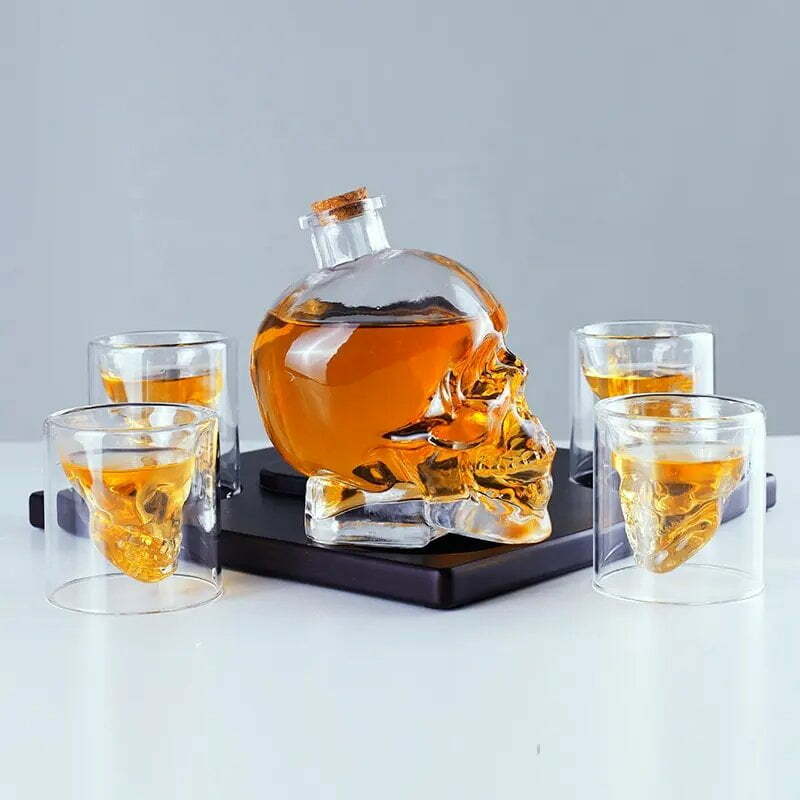
Material choice is still a cost and supply decision. Some buyers start with soda-lime for price, then move to borosilicate for a flagship line. Compare the tradeoffs in borosilicate vs soda-lime glass and keep your spec sheet aligned with borosilicate glass bottle basics.
Lead-free, food-safe, and export-ready specs
Premium spirits packaging must pass safety and compliance checks. Buyers should ask for lead-free claims, food-contact statements, and batch trace notes. A skull bottle also needs a smooth rim finish to protect closures and reduce leaks. Small defects become big returns at retail.
Treat documents as part of the product. Ask for test reports early, and keep the same glass recipe across repeat orders. Request a simple COA with each shipment so your importer file stays complete. Use lead-free borosilicate glass safety benefits and borosilicate resistance for alcohol storage to set your spec. Follow local labeling laws and use adult-only marketing in every market. For clean filling lines, follow this sterilizing glass bottles guide and keep batch notes with your paperwork.
Design details that make a skull bottle feel premium
A skull bottle can look cheap fast if proportions feel off. Premium cues stay simple: a centered face, clean symmetry, and a base that sits flat. Buyers should also test real handling. Bar staff dislike bottles that slip or drip, and that feedback spreads.
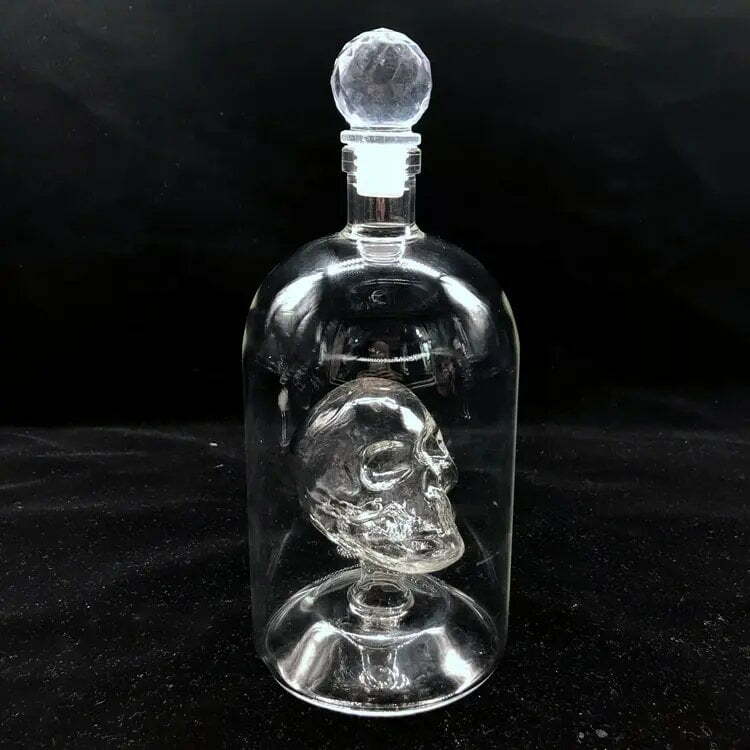
A strong neck and shoulder design also prevents breakage during case packing. Keep key dimensions tight: mouth inner diameter, neck height, and shoulder radius. Add soft edges where hands touch most. For more “hero shapes” beyond skulls, borrow ideas from custom shapes for whisky decanters and apply the same rules: stable geometry, smooth transitions, and safe edges.
Closures that fit skull bottles without leaks
Closures change the full feel of skull bottle tequila packaging. A bar-top cork gives a classic premium signal. A screw cap speeds line work and lowers leak risk. A glass stopper looks great in photos but needs tight tolerance control.

Ask the factory to test closures with real torque and drop checks. Confirm the neck finish type and measure the mouth with gauges, not a ruler. Also check the liner material, since some liners can add odor if they are low quality. If you want a wider closure menu, use this custom lid types guide and match each option to your filling line and destination market.
Branding options: paint, print, etch, and molded marks
Skull bottles invite decoration. Hand painting feels artisanal but raises cost and QC time. Screen print scales better and keeps colors consistent. Etching and molded logos look premium and survive scuffs in transit.
Common choices buyers use:
- Hand paint: best for small “collector” runs
- Screen print: best for stable, repeat orders
- Etch or sandblast: best for quiet luxury cues
- Molded logo: best for long-term cost control
Choose branding methods that match your order size and repeat plans. For fast changes between SKUs, print and labels work well. For long runs, molded marks reduce per-unit cost over time. Start with borosilicate decanter branding options and custom bottle designs that show brand personality.
Prototypes, molds, and realistic timelines
Skull shapes often need a prototype loop before mass production. Expect small tweaks: thicker jawline, smoother cheek curve, or a wider base. Good buyers budget time for samples and don’t rush tooling approvals.

Use drawings that call out critical sizes, then request a first sample and a corrected sample. Test three things early: closure fit, label area flatness, and carton drop strength. Sign off only after you see the bottle under real light, since gloss and edge sharpness change perception. Planning references that help include glass bottle molds and prototypes and best time to source decanters in China.
Factory checks that protect your brand
A skull bottle looks simple on screen, but production needs skill. Buyers should check the forming method, QC steps, and defect rate targets. Ask for photos of the cooling oven (annealing), polishing stations, and the packing line. A quick video walk-through can reveal more than a long email.
Use a clear audit list and ask direct questions:
- What defects trigger rework vs scrap?
- How do they control wall thickness in deep curves?
- How do they prevent paint rub during packing?
Two solid references are how to vet supplier production capabilities and this China glass factory visit guide.
Packing and shipping for complex skull shapes
Skull bottles break at the nose, jaw, and crown. Shipping needs smart inner packs, thick dividers, and tight carton specs. Ask for drop-test results and confirm pallet patterns before booking freight. A small packing change can cut breakage more than a cheaper glass spec.
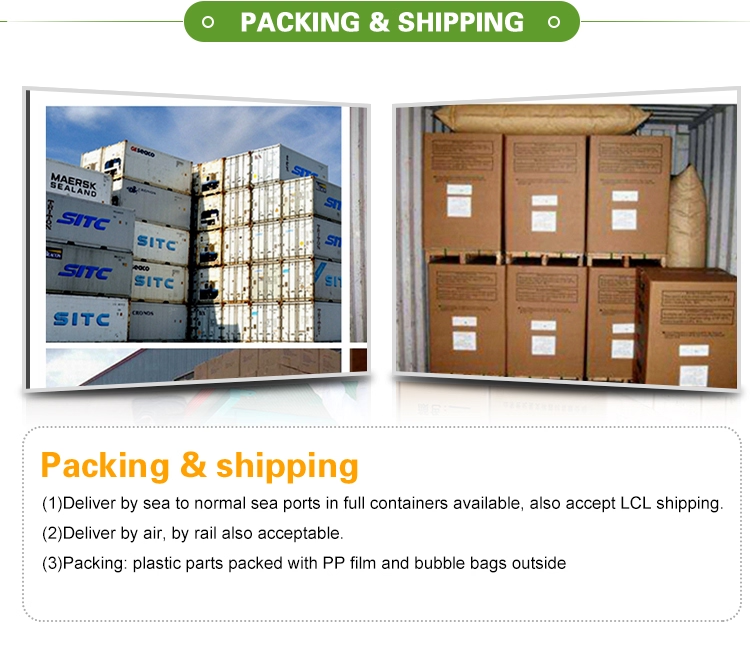
Buyers who ship mixed SKUs should label cases clearly to reduce warehouse mishandling. Add corner boards and strap protectors on export pallets to stop crush damage. If you source from China, plan lead time around factory peaks and port load. Use the step-by-step OEM onboarding guide and keep a backup schedule with best time to source decanters in China.
Frequently Asked Questions
Is skull bottle tequila packaging a “gimmick” or a real sales tool? It sells best when the liquid and the story match. Many buyers see strong shelf lift from skull designs, mainly in gifting and limited runs.
What MOQ makes sense for a custom skull bottle? Start with a run that supports stable QC and packaging tests. MOQs change with decoration, closure type, and mold needs.
Does borosilicate help for spirits bottles? Borosilicate can offer long-term clarity and strong resistance. See borosilicate glass environmental advantages for the material case.
How do I keep the bottle lead-free and compliant? Request documents and keep the same glass recipe on repeats. This lead-free borosilicate glass safety guide helps set expectations.
Where can I see ready designs from Ingcho? Browse options in the Ingcho custom glass bottle category and shortlist a base shape before a full custom mold.
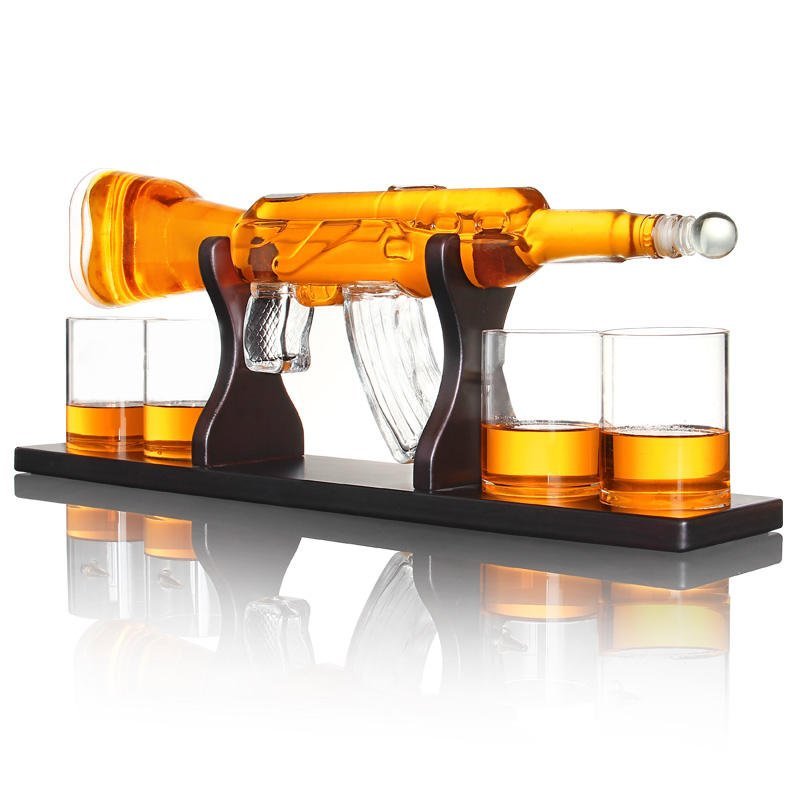
AK 47 Tequila Bottle is more than just a drink; it’s an experience that dances across your palate, tantalizingly unveiling layer after layer of the spirit’s complexity. But this handcrafted pleasure isn’t limited to taste buds alone, captivating eyes and minds with its singular charm.
The AK 47 Tequila Bottle: An Overview
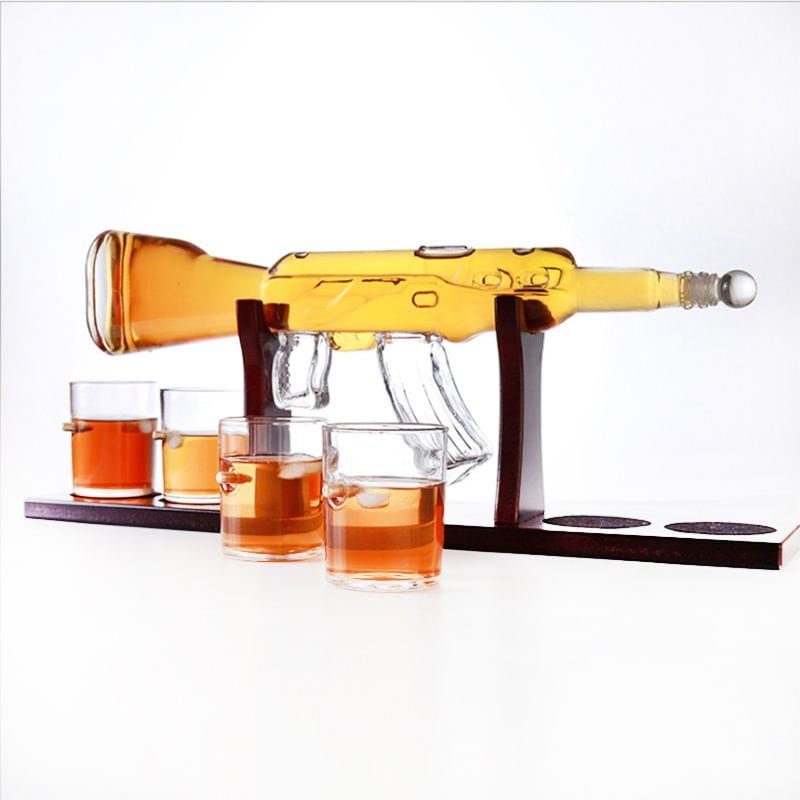
Embodying distinct notes of creativity, the AK 47 Tequila Bottle adds zest to the overall drinking experience, suffusing it with a unique aura. It’s not just about the initial connoisseurship, but the unforgettable journey that follows.
The price of an AK 47 Tequila Bottle is justified by the craftsmanship and intricate distilling techniques that go into its creation. The act of savoring this exemplary domain is one that can be shared or luxuriously hoarded. No matter the occasion, this bottle makes its presence felt and remembered, leaving an indelible mark on the beholder.
What Makes It Distinct: A Review
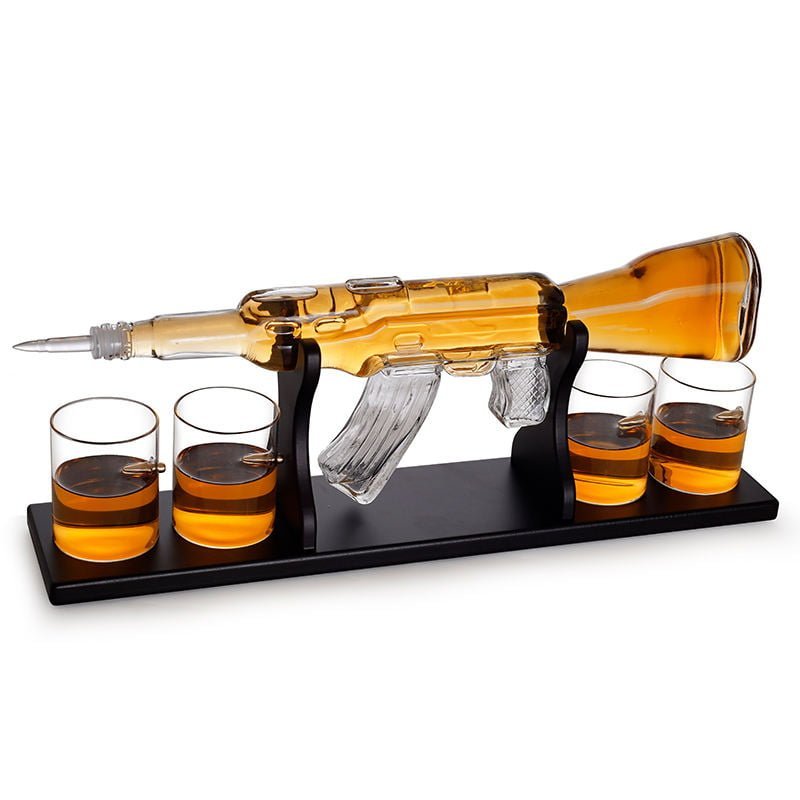
From its distinctive flavors to its remarkable packaging, the AK 47 Tequila Bottle earns its stripes as a worthy addition to any private collection or as a stand-alone gift.
The Flavors
Each sip from the AK 47 Tequila Bottle unveils a unique flavor profile that is both captivating and enchanting. From the sundrenched agave fields to the seasoned oak barrels, every phase of its production contributes to the rich palette of flavors.
Limited Edition Collectible
Bespoke understanding of art and spirit blend seamlessly to gift us the AK 47 Tequila Bottle collectible limited edition. Designed to impress and last, it is not just a bottle of tequila, but a timeless testament of craftsmanship and tradition. Expand your collection or reward a distilled spirits enthusiast with this unparalleled specimen of tequila artistry.
Jump into the auditory part of the tasting process by noting down the uncorking of the bottle. The music it unleashes is a preamble to the sensual feast that lies ahead.
Giving and Receiving: The AK 47 Tequila Bottle Gift Set
Selecting the perfect gift for a tequila enthusiast can be a daunting task. But an AK 47 Tequila Bottle gift set promises to be a remarkable choice. Its unsurpassed eye-catching appeal is a magnet for ardent collectors. The pre-packaged gift set is the ideal token for those who appreciate the convergence of art and high-quality tequila.
Availability: Always in Demand, Always in Stock
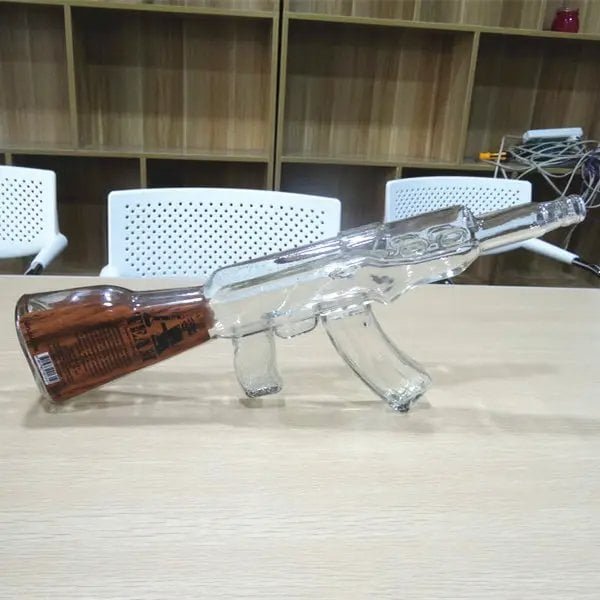
The handcrafted perfection of an AK 47 Tequila Bottle is craved by connoisseurs and newcomers alike. But worry not. Despite its popularity, the distillery ensures the regular availability of their premium product. They strive to make the AK 47 Tequila accessible to those who wish to experience its majesty. Whether for a special occasion or a personal treat, your AK 47 Tequila Bottle is just an order away.
Behind the Scenes: Craftsmanship and the AK 47 Tequila Bottle Distillery
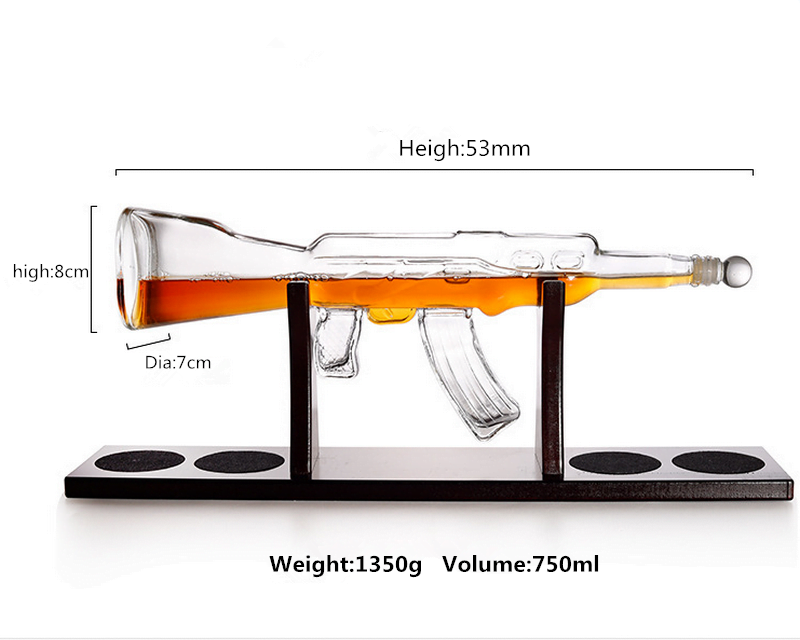
Investing in an AK 47 Tequila Bottle is more than just acquiring a spirit; it’s acknowledging the meticulous craftsmanship behind its creation. This exquisite masterpiece is the product of age-old craftsmanship techniques nurtured, perfected, and passed down through generations in the distillery.
The captivating form of the bottle is instantly identifiable, often becoming the conversation starter at sophisticated gatherings. Imbibers universally applaud the artistry, attention to detail, and the skillful hands that shape every AK 47 Tequila Bottle.
Forging Links: AK 47 Tequila Bottle Online Purchase
In the age of the digital marketplace, the AK 47 Tequila Bottle online purchase options extends a hassle-free route to acquire this covetable item. With secure online payment methods and dependable delivery services, you can relish the delight of adding the AK 47 Bottle to your collection or surprising a loved one with this gem of a gift.
The Perfect Serve: Serving Suggestions for AK 47 Tequila Bottle
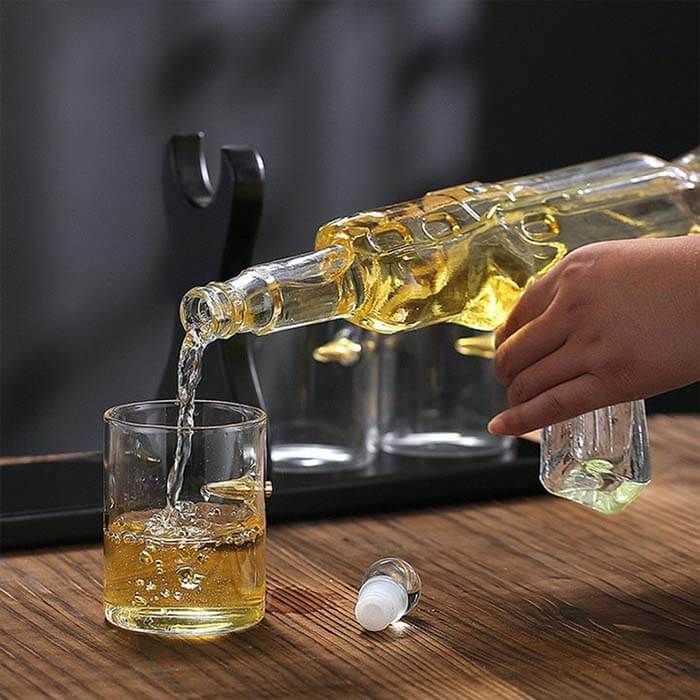
The grandeur of AK 47 Tequila is not to be undermined by hasty serving. Each AK 47 Tequila Bottle serving suggestion pays homage to its inherent history and character. Enjoy it neat to experience the unadulterated tones or create signature cocktails that will stir your celebrations to life. Whether in a traditional tequila shot glass, a nuanced snifter, or a vibrant margarita mix, the essence of AK 47 Tequila rises and shines.
Basking in Glory: AK 47 Tequila Bottle Awards
The accolades adorning the AK 47 Tequila Bottle are a testament to its unparalleled standards. Garnering applause and awards, this spectacular offering has etched its name in the annals of tequila history. The array of awards obtained by the distillery emphasizes not only the quality but the unwavering consistency represented by each AK 47 Tequila Bottle.
Store with Care: Proper Storage Tips for AK 47 Tequila Bottle
Good storage practices go a long way in preserving the quality and essence of your precious drink. The AK 47 Tequila Bottle storage needs a place that’s cool and away from direct sunlight. While its design is durable, keeping it secure will ensure that this unique artifact which houses the spirit will remain pristine; a treasured collectible in your ambit.
Giving the Gift: Considering AK 47 Tequila Bottle for Gifting
When it comes to special occasions, an AK 47 Tequila Bottle for gifting stands out as an inspired choice. Its distinctive design, intricate craftsmanship, and premium tequila are a delightful trinity that is bound to impress. This is more than a present; it’s an experience, a shared token of sophistication and taste.
An Art in Itself: AK 47 Tequila Bottle Craftsmanship Techniques
Peeling back the curtain to reveal the seamless blend of tradition with contemporary design sheds light on the AK 47 Tequila Bottle’s impressive manifestation. Every AK 47 Tequila Bottle is the result of intricate craftsmanship techniques coupled with a vision for innovation.
Each bottle’s formation stages, from sculpting to firing, paints a vivid picture of traditional glassmaking practices fused with modern aesthetics. The craftsmanship behind each AK 47 Tequila Bottle is the labor of skilled artisans, versed in bestowing each creation with a distinct identity. It’s this finesse in craftsmanship that adds immense value to each AK 47 Tequila Bottle making each one an impressive work of art in its own right.
Meanwhile, inside each bottle, the rivulet of intoxicating tequila, distilled from heartland-grown agave, narrates a tale of rich heritage and meticulous cultivation.
This crystallization of culture, history, and innovation forms a pivotal part of tequila’s broad and nuanced spectrum. And the AK 47 Tequila Bottle emerges as a proud emblem of this marriage, encouraging the world to take a deep dive into the profound depths of tequila’s multi-faceted persona.
This, dear reader, is more than a drinking experience – it’s the rendezvous of centuries-old practices with avant-garde design where each sip unfolds a narrative steeped in tradition, laced with innovation, and molded by the undulating landscapes of Mexico’s agave fields. To experience the tale of the AK 47 Tequila Bottle is to weave yourself into the fabric of its story.
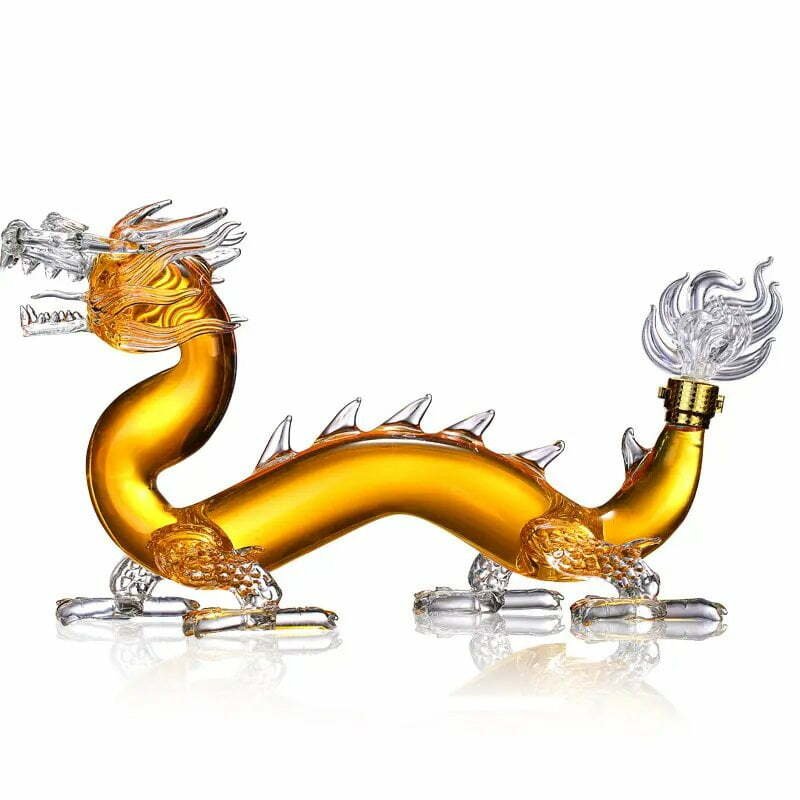
Who knew that alcohol and artistry could blend seamlessly, creating masterpieces worth showcasing? When you glance at the meticulously handcrafted beauty of a Dragon tequila bottle, it’s an elaborate fiesta of creativity, functionality, and definitely collectability.
The dragon-shaped tequila bottle has undoubtedly set a benchmark, leading the trend in unique tequila bottle designs. Their artistic flair and intricate details put them high on the list of collectible tequila bottles to grace any seasoned connoisseur’s shelf or to gift the experimental novice.
The Allure of the Dragon
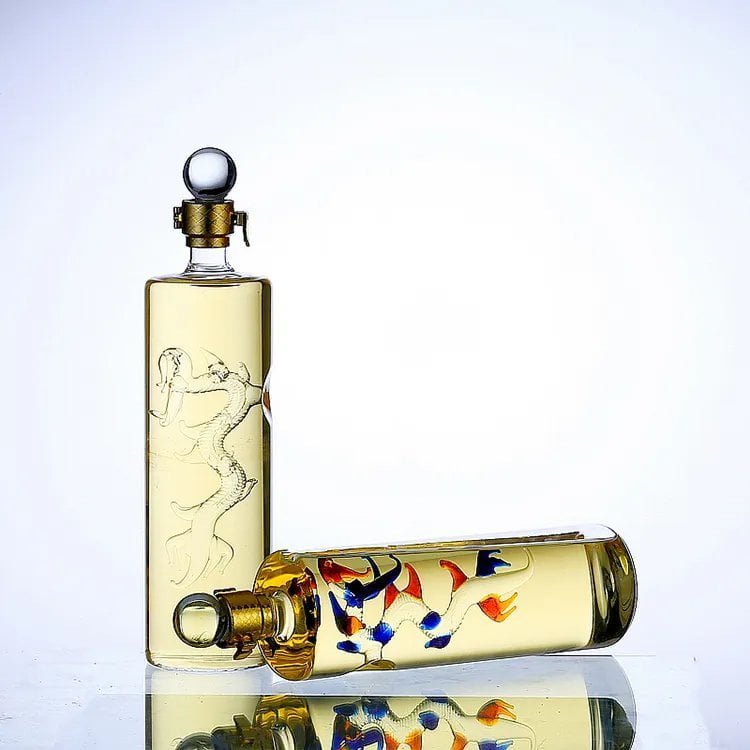
The dragon, regardless of culture, holds a prominent place in folklore and mythologies. Its majestic prowess finds reflection in the Dragon Tequila Bottle design, marked by its size, the fiery eyes, and the carefully etched scales. This attribute of majesty and power manifests in the tequila bottle’s shape, enchanting the beholder and adding a touch of intrigue.
Undeniably, the Dragon Tequila Bottle justifies your fascinations with dragon-themed barware and accessories. Whether you yearn for a mythical creature-themed bar or are eager to impress guests, this unique bottle is a jewel indeed.
Unveiling the Craftsmanship
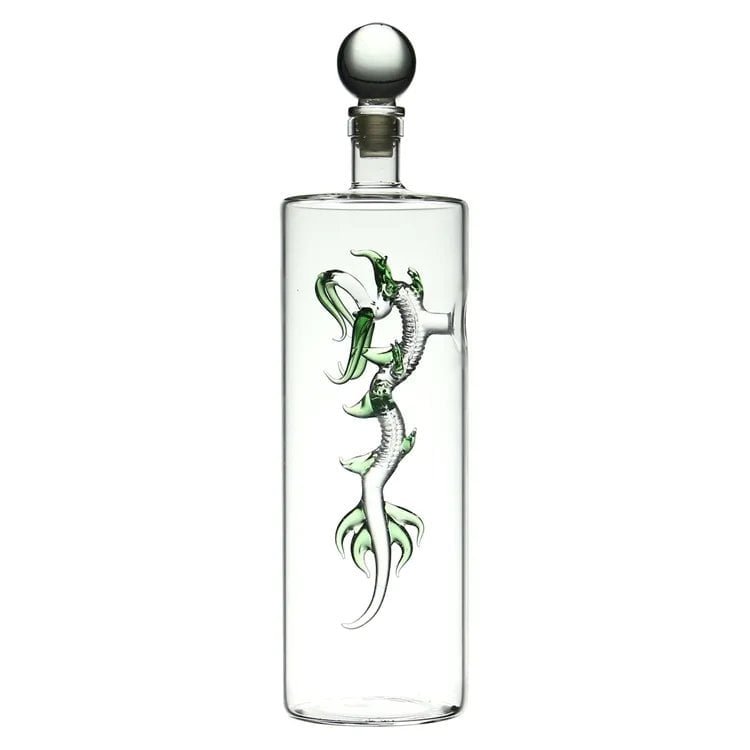
A handcrafted tequila bottle is an emblem of the dedication and skill of master artisans. Its technique intricate, its history rich and diverse. The Dragon Tequila Bottle is shaped painstakingly in accordance with the centuries-old glassblowing technique.
The aerodynamic structure fuses form with function, making these bottles a fine example of customizable tequila bottle options. This customization feature makes it a coveted pick for those looking out for tequila bottle gift ideas.
As these designs cater to the discerning buyer, the charm of a lead-free artistic tequila bottle is not just in its appeal, but also the assurance of safety. Not only do they elevate your spirits, figuratively and literally, but the dragon tequila bottle can also effortlessly function as a decorative piece, a symbol of style and sophistication.
More than just barware, the dragon tequila bottle serves as a luminous testament of the mastery and aesthetic sensibility involved, making it a priceless collector’s item.
Adorning Your Space with Dragon Tequila Bottle
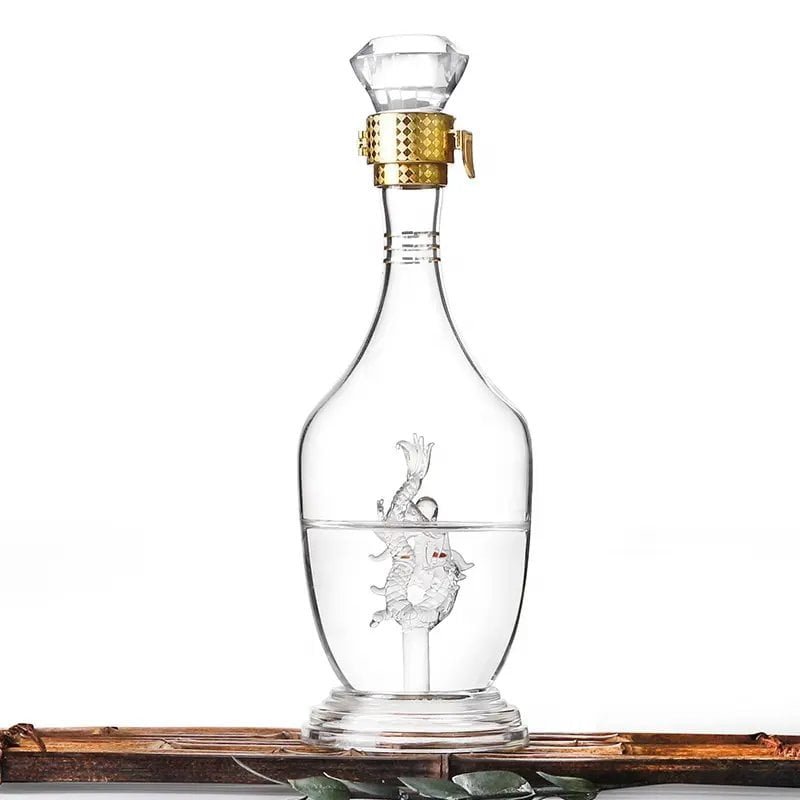
A dragon tequila bottle is not simply retained for its functionality; it also serves as a stunning component of your interior décor. Potently contributing to the ambience, the bottle provokes fascination, providing a unique talking point for fascinated guests.
Tequila bottle decorating ideas have been increasingly popular, as individuals seek innovative ways to enliven their living spaces. The unconventional charm of the dragon-shaped bottle combined with ambient lighting can induce an ethereal quality, thus acting as a remarkable decorative piece.
The Perfect Gift – A Unique Tequila Bottle for Gifting
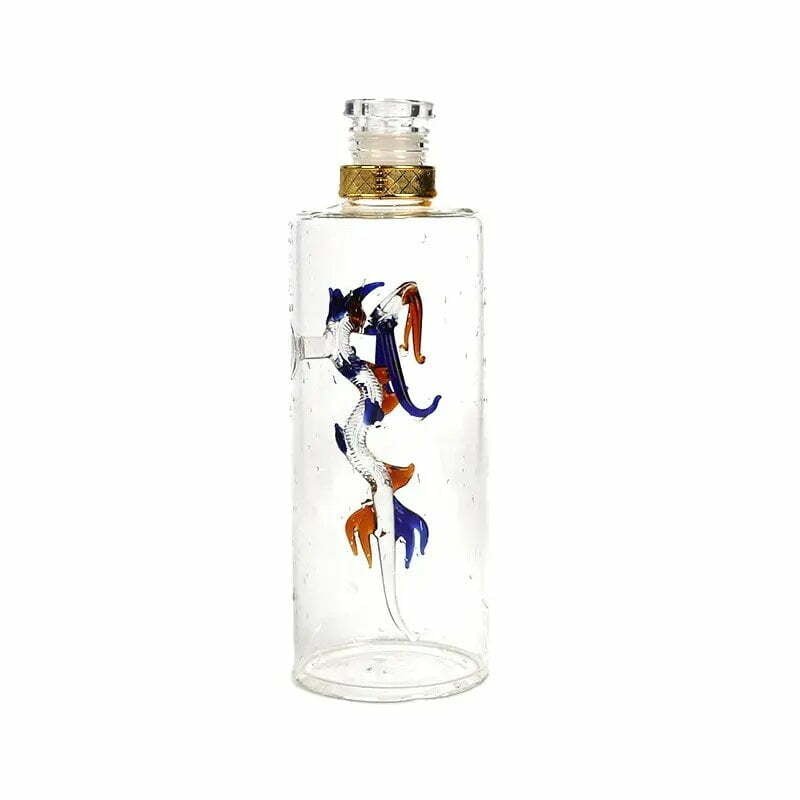
In the world of distilled spirits, the bottle’s distinctive appeal plays a crucial role in the consumer’s purchasing decision. Thereby, the Dragon Tequila Bottle represents an ideal gifting option, not merely for tequila enthusiasts but for anyone who appreciates the intricacies of art.
Gifting a customizable tequila bottle takes thoughtfulness to a new level, as it can be tailored to reflect the recipient’s unique tastes or interests. Whether for a birthday, anniversary, or just because, a Dragon Tequila Bottle serves as an extraordinary symbol of your fondness.
Lasting Impressions – The Artistic Bottle for Display
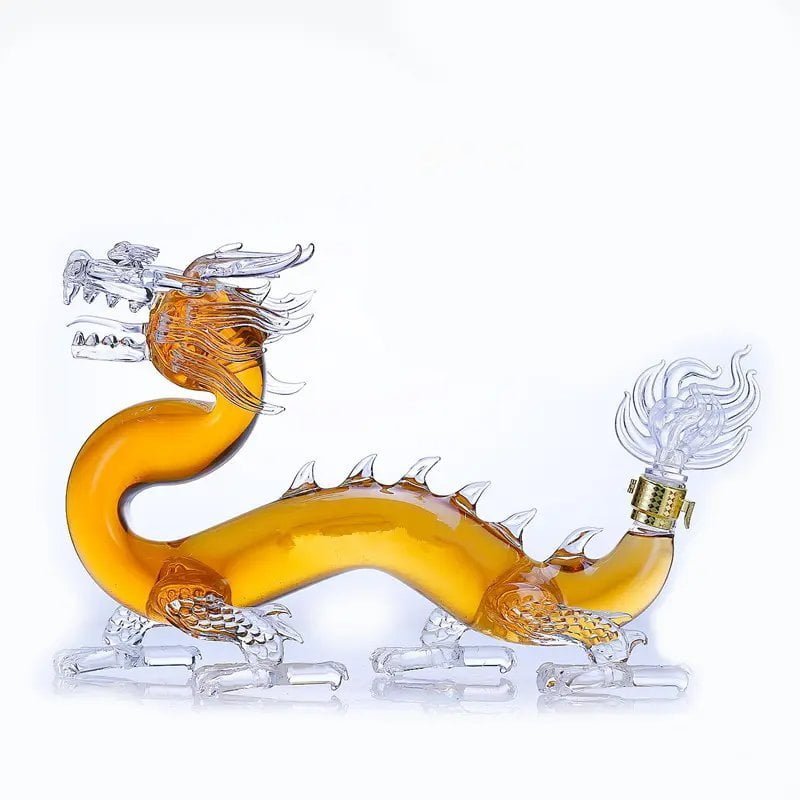
One of the fascinating aspects of the Dragon Tequila Bottle is its capability to hold ground on its own as an artistic piece for display. The impressive detail, coupled with the dragon theme, makes it a standout addition to any collection or display.
When you consider Dragon Tequila Bottle display ideas, the possibilities are genuinely infinite. Be it your home bar, mantelpiece, or display cabinet, it invariably brings in a touch of class, elegance and unique character.
Ensuring the Dragon’s Longevity: Tequila Bottle Care and Cleaning
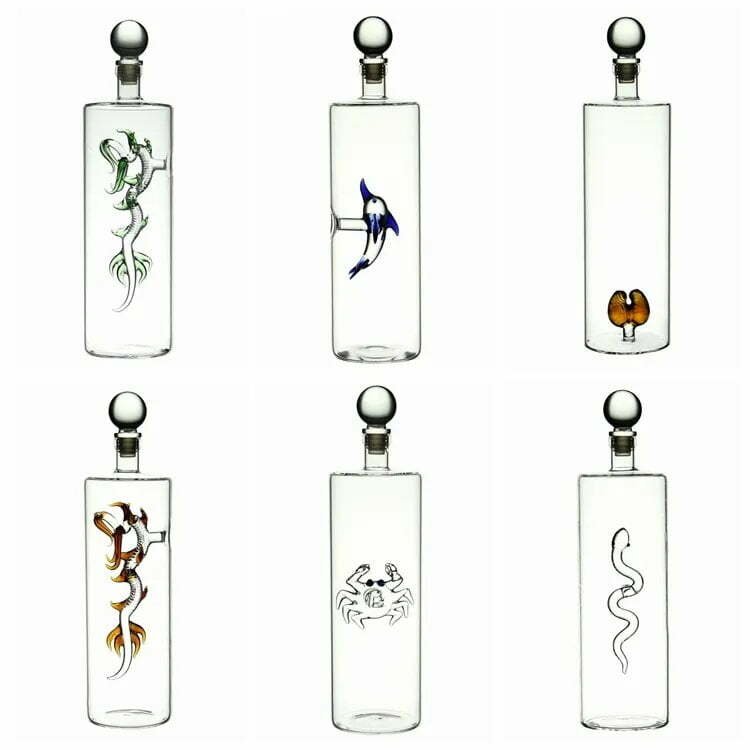
Crafted with finesse and expertise, the dragon tequila bottle not only serves its purpose but also demands a level of care customary to precious objects. Like any well-crafted piece of art, the tequila bottle requires gentle handling and meticulous cleaning.
The dragon tequila bottle cleaning process is devoid of harsh chemicals, lending emphasis on maintaining the intricacy of the engraving intact. A solution of warm water and mild soap, coupled with caution and precision, ensures the longevity of your collectable bottle.
Limited Edition Tequila Bottle: An Exquisite Addition to Your Collection
For those who fancy collecting novelty items, a limited-edition tequila bottle is the icing on the cake. Truly, the dragon-shaped ultramodern marvel undoubtedly merits a vantage point in your dragon tequila bottle collection.
A Dragon Themed Bar: More than Just a Glass of Tequila
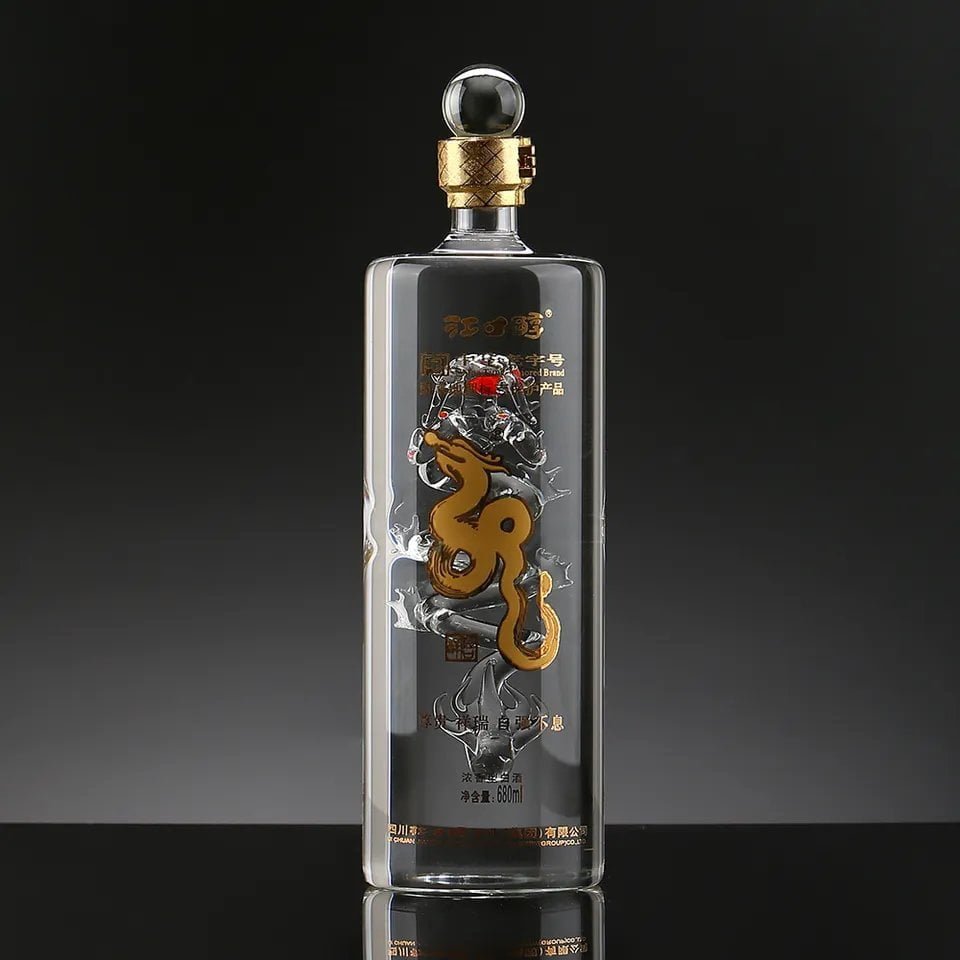
Possessing a bespoke handcrafted liquor bottle design like the dragon tequila bottle enhances the aesthetics of a bar. Providing an enchanting spectacle and an exhilarating conversation starter. The dragon tequila bottle brand emphasizes on the appeal and charm of dragon-themed barware, adding an unparalleled touch of class and style.
The quality, craftsmanship, and artistic conception of a handcrafted Dragon Tequila Bottle assure satisfaction in not only taste but creation. Its price reflects its exceptional merit and the artist’s effort which justifies the dragon tequila bottle purchase as an investment in elegance.
In summary, a Dragon Tequila Bottle surpasses the conventional boundaries of barware and tequila packaging. It captures the heart and aesthetic sensibilities of those who appreciate an intricate fusion of art, mythology, and functionality. Purchase your Dragon Tequila Bottle today and indulge in the heavenly blend of spirit and artistry.
Updated for 2026: Product availability, pricing, demand, materials, intellectual-property status, and local marketing rules vary by product and market. Buyers should verify current evidence for the exact concept and destination before ordering or making claims.
| Key takeaway | Why it matters for B2B buyers |
|---|---|
| AK-47 tequila bottle demand stays niche | Listings exist, but current sell-through and growth need to be validated for the intended market. |
| The bottle can sell the first look | Many buyers may treat it as shelf décor or a novelty gift, while liquid quality still affects repeat purchase. |
| Glass economics work only with sell-through | Unit cost can look attractive, but tooling, packing, freight, damage, and inventory time belong in the model. |
| The “quality signal” risk is real | Some shoppers may associate gun shapes with novelty rather than premium tequila. |
| Legal and safety review adds friction | Names, marks, weapon-like visuals, local marketing rules, and product presentation require review. |
| A mixed novelty portfolio can spread risk | Skull, dragon, agave, ship, globe, and original concepts can reach different buyers. |
AK-47 tequila bottle demand: real interest, market-specific upside
An AK-47 tequila bottle can sell in the novelty lane. The category appears in specialty retail and repeat listings, but those observations do not establish a universal demand trend. Buyers should validate current sell-through, repeat orders, return rates, and price tolerance in the intended market.
Importers can still win if they sell to the right channel. Bars, party retailers, and gift shops may move units. Private-label buyers should treat it as a niche SKU until current channel evidence supports a larger commitment.
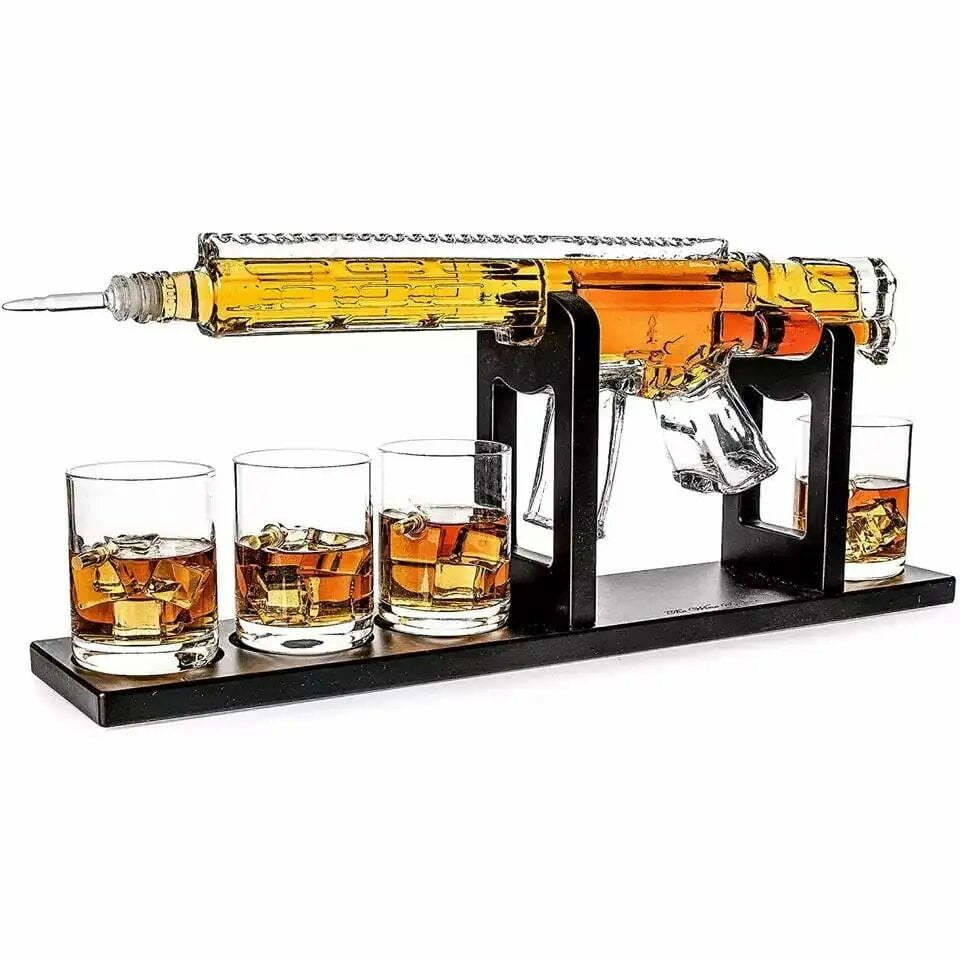
Design research helps you avoid dead inventory. Start with a unique tequila decanter in an AK-47-style design concept and use existing products to understand the category—not to copy protected marks, trade dress, or a third party’s exact design.

Who buys gun-shaped bottles and where they may sell
Many buyers do not shop gun bottles like conventional premium tequila. They may shop them as conversation pieces, place them on a shelf, or give them at parties. Some buyers may never open them. That behavior changes the channels worth testing.
Possible channels include:
- Bars and night venues that want themed displays
- Gift and novelty stores with relevant foot traffic
- Specialty liquor shops that have validated local demand
Online demand exists, but weapon-like visuals can face platform, advertising, payment, or marketplace limits. Review the current written policies for every intended channel. A B2B-first plan can be one option, but it does not replace demand testing.
Product angle ideas live here: tequila bottle guns and novelty positioning and AK-47 whiskey glassware shelf appeal.
Retail pricing and importer margin math
Retail prices vary with the filled spirit, brand, capacity, material, decoration, packaging, taxes, and market. The bottle cost also changes with the approved specification and order assumptions. Build the margin case from current comparable listings, supplier quotations, and realistic sell-through; slow-moving stock can erase an attractive unit margin.
A simple margin model helps:
- Bottle + closure + decoration: specification-dependent cost drivers
- Mold: a development cost that needs a realistic allocation
- Packing: a cost that protects the product and the order value
- Freight, damage, chargebacks, and returns: landed-cost items that should be modeled
Many buyers try to “save” money by using weak cartons. They may pay more later in breakage and claims. A stronger pack specification can raise landed cost, but the decision should be based on test results and total order risk.
For sourcing and OEM planning, use borosilicate whisky decanters OEM and OEM/ODM design to production.
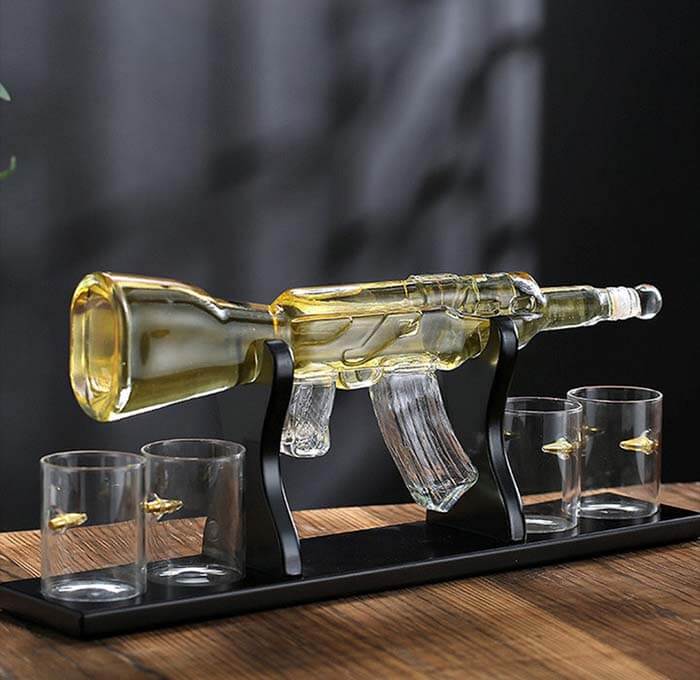
The “quality signal” problem and how to reduce it
Gun-shaped bottles can send different signals to different audiences. Some shoppers may assume that a dramatic novelty shape means lower liquid quality, which can hurt premium positioning. Test the concept with the intended buyer rather than treating that reaction as universal.
You can control the cues around the bottle:
- Use a clean label with accurate, legally reviewed product information
- Avoid cheap-looking prints and set limits for visible seams and defects
- Add a suitable closure and tamper-evident features
- Check balance and handling so the bottle feels deliberate rather than toy-like
The liquid still matters. A distinctive bottle can trigger a first sale; product quality and brand credibility help earn the second sale.
Helpful pages for brand framing: AK-47 tequila bottle flavors and reviews and additive-free tequila bottles.
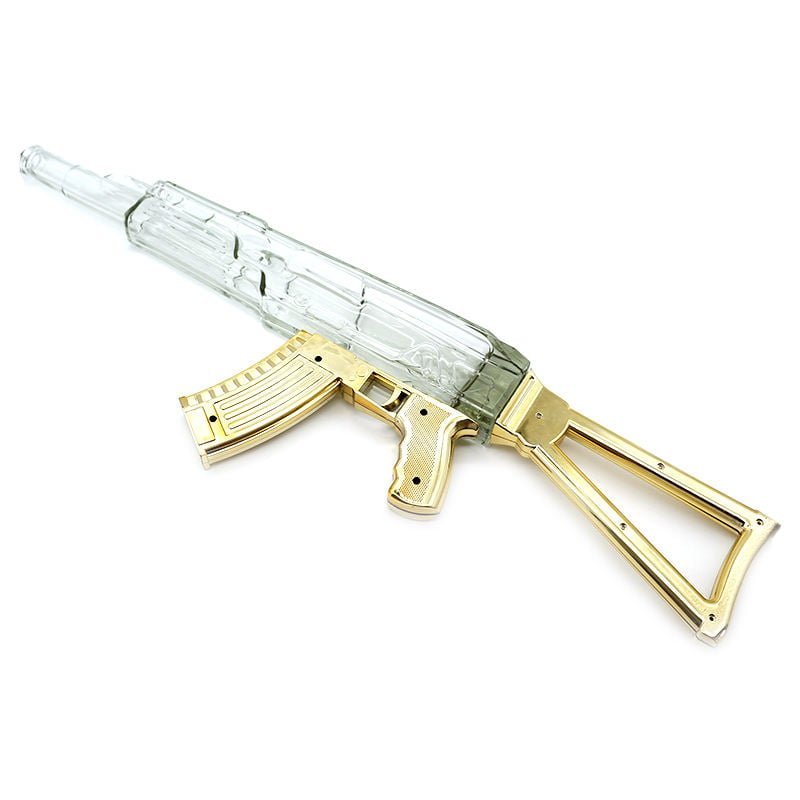
Shape engineering: neck finish, pour, and stability
A rifle shape creates design traps. Long “barrel” sections can chip in packing. Thin details can crack in handling. A weak neck finish can leak or create closure problems. Buyers notice these flaws quickly.
Focus on these build rules:
- Keep wall distribution controlled in long sections
- Simplify or reinforce vulnerable details where the selected forming process allows
- Use a documented thread and neck finish for the closure
- Keep a stable base and check the filled-product center of gravity
Prototype testing can prevent expensive changes later. A physical sample should be evaluated against agreed methods and pass criteria, which may include capacity, dimensions, pour, cap fit, leak, tilt, residual stress, decoration, and packaged-drop performance. The exact checks depend on the product and route.
For mold and prototype planning, use glass bottle molds and prototypes and unveiling the art of tequila bottle design.
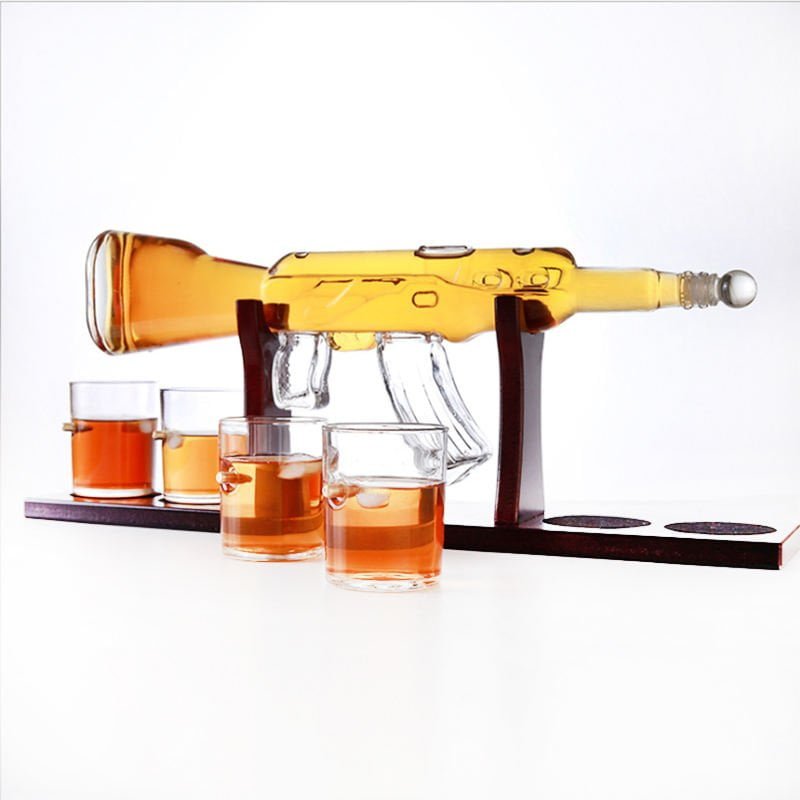
Borosilicate vs. soda-lime for a gun-shaped bottle
Both material families can be considered, but the practical choice depends on the glass grade, forming route, geometry, intended contents, compliance requirements, quality plan, and commercial assumptions. Soda-lime has a broad container-manufacturing base. Borosilicate is used in specialty tubing, lampworking, technical components, and selected hollowware. Neither material name alone proves clarity, durability, food-contact suitability, or a premium result.
Set the material specification with product-specific evidence:
- Glass grade and process: confirm what the supplier will actually use
- Finished-product performance: define dimensional, annealing, leak, closure, and packing checks
- Food-contact and restricted-substance evidence: cover the glass, colors, decoration, coatings, and closure for the target market
- Cost comparison: use the same drawing, QC plan, packing, and order assumptions
Use this borosilicate vs. soda-lime glass comparison to set the brief. Do not treat “lead-free” or “food safe” as a material-family guarantee; request evidence for the finished product and intended conditions.
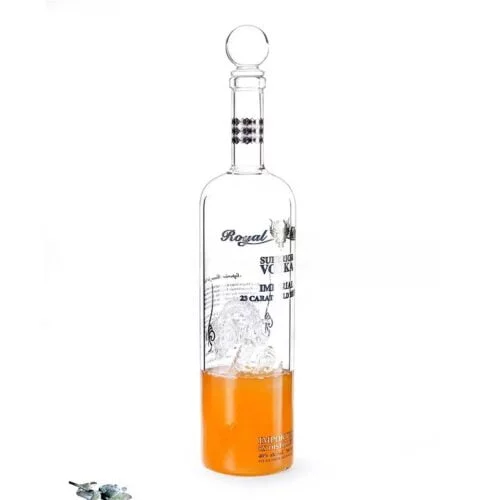
Mold, MOQ, and the volume reality check
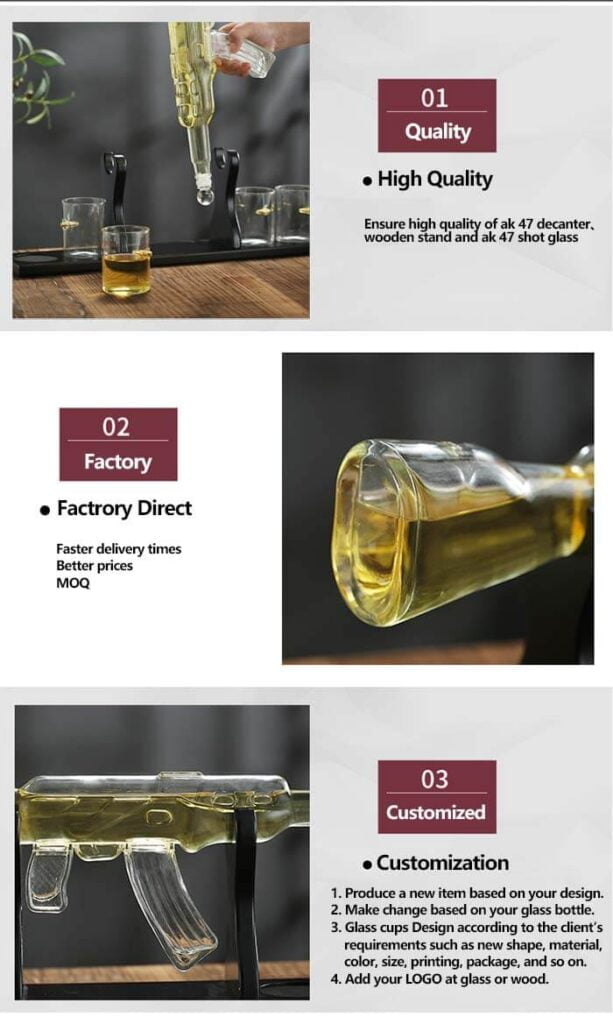
Mold cost can look small compared with a full order. The larger issue is whether the quoted MOQ and inventory exposure fit verified demand. MOQ, tooling, samples, yield, and production timing are project-specific and should be confirmed after design review.
A staged approach can reduce uncertainty:
- Check whether an existing lawful, unbranded shape fits the test objective
- Approve material, capacity, neck finish, decoration, QC, and packaging on representative samples
- Move to original tooling only when demand, rights review, and manufacturability support it
Mold ownership also matters. Document ownership or access rights, permitted use, storage, revision control, and end-of-relationship handling in writing. Use these pages to control the process: prototype custom bottle and custom shapes whisky decanters.
Decoration that sells: color, branding, and print choices
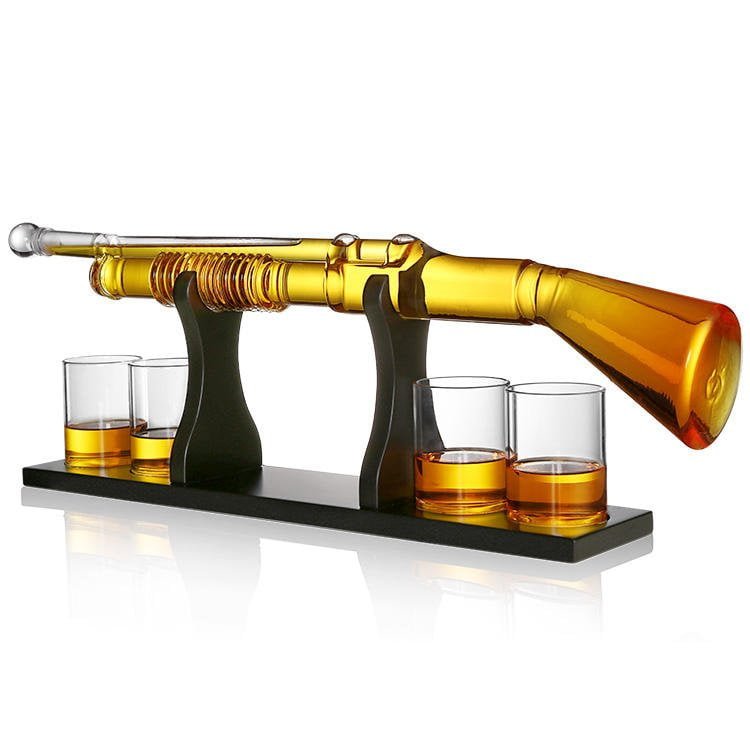
Decoration can lift perceived value, but it can also affect yield, durability, compliance, and timing. Clean branding can make the bottle look deliberate; poor print or inconsistent registration can make it look toy-like.
Possible decoration options include:
- Screen print for suitable bold marks
- Hot stamping for selected premium accents
- Decals for fine patterns and small text
- Colored glass or coatings where process and compliance allow
A gun silhouette is already visually strong. A clean label and restrained color system may work better than heavy graphics, but approve the direction with the target audience and on representative samples.
Use these guides to plan branding and color: borosilicate decanter branding options and the customized labels guide.
China sourcing: audits and factory checks
Gun-shaped bottles need reliable forming and stable QC. That pushes supplier capability and process control to the top of the risk list. A supplier should demonstrate repeatability for the actual design rather than rely on general claims.
Strong sourcing habits include:
- Ask for relevant export and inspection evidence
- Check mold management, maintenance, and sample control
- Confirm capacity and timing against the proposed process and order scenario
- Use third-party inspection when the project risk justifies it
A factory visit or remote audit can help reveal gaps when it follows a written checklist and is supported by records and tests. Peak seasons can affect molds, samples, decoration, and production, so timing needs current confirmation.
Useful sourcing pages: China borosilicate decanter suppliers, top glass manufacturing regions in China, and how to vet supplier production capabilities.

QC and packing: the fastest way to protect profit
A gun shape has more exposed details than a standard round bottle. The “barrel,” “magazine,” and thin edges can chip. Better packing can reduce claims, but the pack should be validated for the actual product and shipping route.
Build a project-specific QC checklist:
- Check cracks, bubbles, stones, sharp seams, and agreed cosmetic limits
- Measure neck finish and closure fit
- Confirm capacity, dimensions, base stability, and relevant annealing controls
- Test cartons with the specified dividers, protection, pallet pattern, and agreed protocol
- Confirm label position, rub resistance, and print durability
Packing also supports the brand. A neat inner pack can feel premium and help distributors handle cases with less damage. Set methods, sampling levels, and pass/fail criteria before production rather than relying on a generic promise of “strict QC.”
Use these operational guides: OEM onboarding guide for glassware and custom lid types guide.
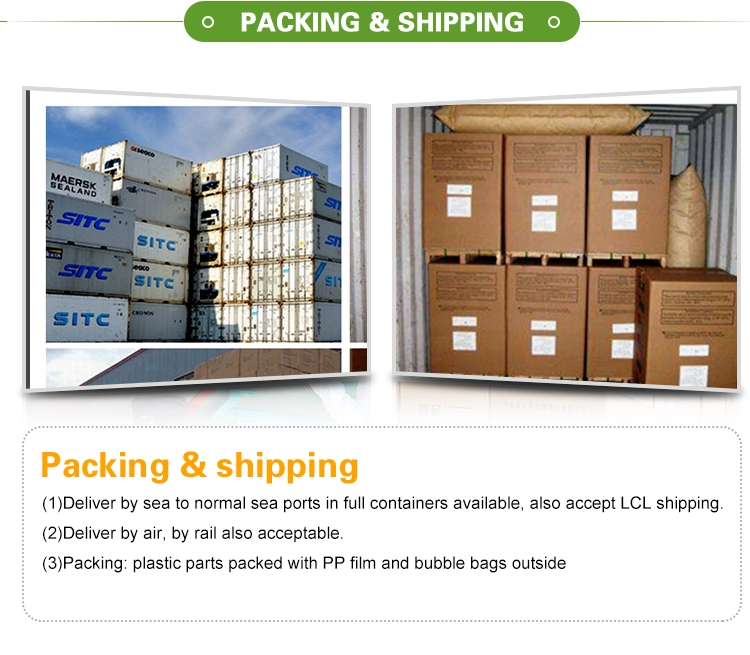
Legal and safety risk: higher friction than many novelty shapes
Gun shapes can carry additional risk. The “AK-47” name, third-party logos, model-specific details, artwork, product configuration, and overall presentation may raise trademark, copyright, design-right, trade-dress, advertising, import, platform, or local safety questions. The outcome depends on the exact design, jurisdiction, and use; this article is not legal advice.
A weapon-like bottle can also be misunderstood in some contexts. Evaluate whether its color, scale, handling, or presentation could create confusion, and review current rules for alcohol marketing, weapon-like products, youth appeal, carriers, retailers, and online platforms.
Risk controls can help:
- Do not assume that removing a logo makes a near-copy safe to manufacture or market
- Avoid third-party marks and model-specific features unless the necessary rights are confirmed
- Use legal counsel to review the proposed name, artwork, silhouette, and target markets before tooling and launch
- Consider clear brand cues and finishes that reduce realistic-weapon confusion
- Keep relevant approvals and rights representations in writing
Portfolio strategy: pair the concept with other novelty designs
A gun-shaped bottle can sit in a portfolio, but it does not need to carry the whole plan. Cultural, artistic, and original shapes may appeal to different audiences and may carry different production, legal, and platform constraints.
A mixed portfolio might include:
- Skull: strong shelf impact and a distinct cultural story
- Dragon: a fantasy-led collectible direction
- Agave-in-bottle: a clear tequila-related visual
- Ship or globe: gift and bar-display appeal
This mix can spread demand across more buyer types, but none of these shapes is automatically risk-free. Validate the design rights, manufacturability, channel fit, and unit economics for each one.
Examples include a tequila bottle with a skull aesthetic, dragon tequila bottle artistry, and tequila with an agave motif in the bottle.
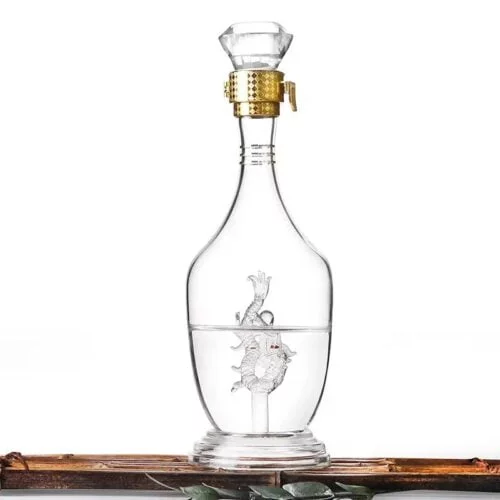
Frequently asked questions
What MOQ makes an AK-47-style tequila bottle project safe?
No MOQ makes demand or compliance risk “safe.” The feasible MOQ depends on the design, process, tooling, decoration, supplier, and quality plan. Model the actual quoted scenarios and expected sell-through before committing.
Is borosilicate worth it for gun-shaped bottles?
Borosilicate may fit some specialty forming routes, while soda-lime may fit established container processes. Choose from the actual design, supplier capability, test requirements, compliance evidence, and commercial comparison—not from a generic premium claim.
How do you reduce the “cheap tequila” signal?
Test the concept with the intended audience, then control the glass finish, closure, label accuracy, decoration, balance, tamper evidence, carton, and filled-product quality.
Which decoration options work best on rifle shapes?
Screen printing, hot stamping, decals, colored glass, or coatings may be feasible depending on surface geometry, artwork, process, durability, compliance, and order assumptions. Approve the method on representative samples.
How do you plan sampling and mold changes?
Lock capacity, dimensions, neck finish, closure, material, decoration, QC methods, packaging, and the acceptance sample. Document mold rights, revision approval, re-sampling, and change control before production.
What should you check during a factory visit?
Check tooling control, annealing, inspection, decoration, sample control, capacity assumptions, packing, traceability, and corrective action. Support observations with records and product tests.
What packing specification reduces breakage?
The answer must be validated for the actual bottle and route. Define inner protection, clearance, dividers, carton strength, pallet pattern, and test conditions, then approve representative packed units.
What novelty shape is the closest alternative with less weapon-specific friction?
Skull, dragon, agave, ship, globe, or an original abstract concept may avoid some weapon-specific concerns, but every design still requires manufacturability, rights, market, and safety review.
Buyer answer: a custom glass project does not begin by ordering “a mold.” It begins by freezing the functional requirements that the tooling and sample must reproduce. The correct route may use a production mold, partial mold, forming jig, gauge, prototype tool or a combination, depending on the glass process and geometry. Ask the supplier to explain the route against your drawing before approving tooling cost or timing.
| Project question | What the buyer should provide | What the supplier should return |
|---|---|---|
| Can the shape be formed? | Drawing, capacity, use, overall geometry, internal details and surfaces that must remain visible. | Feasibility decision, proposed process, risk areas and any recommended geometry change. |
| What tooling is needed? | Critical dimensions, expected consistency, sample quantity and production scenario. | Tooling list, purpose of each item, revision basis and what the tool does not control. |
| What will the sample prove? | Acceptance criteria for appearance, dimensions, fit, function, decoration and packaging. | Sample plan, measurement method, approval record and next decision point. |
| Can production start? | Signed drawing revision, approved reference sample, packaging and recorded concessions. | Production basis, QC plan, confirmed commercial terms and change-control route. |
Decide whether the project needs new tooling
New tooling may be appropriate when an existing shape cannot meet the required capacity, silhouette, brand feature, internal detail, neck, closure or assembly interface. It may not be the first step when the buyer is still testing demand, when only decoration or packaging changes, or when the functional dimensions remain unresolved.
Use three questions before committing:
- Can an existing lawful design answer the test? If the immediate goal is to validate a channel, finish or pack, adapting an existing style may reduce uncertainty.
- Does the new geometry create a real product advantage? A new silhouette should support handling, brand recognition, display, fit or another defined requirement—not novelty alone.
- Is the drawing stable enough to tool? Capacity, neck, closure, critical interfaces and use orientation should be decided before a tool is treated as final.
A reference image is useful for discussion, but it rarely contains the hidden dimensions that control production. Treat it as a visual target, not a complete specification.
“Mold” is not one universal production tool
Glass products use different forming routes. Conventional container production, hand-blown borosilicate work, lampworked components and mixed assemblies do not rely on the same tooling or tolerances. A project may need a mold to establish an external form, a jig to locate a feature, a gauge to check an opening, or a fixture to hold parts during assembly. Some details remain dependent on skilled forming even when tooling is used.
Ask the supplier to name each tool and its job:
- which surfaces or dimensions the tool controls;
- which dimensions remain process-dependent;
- how shrinkage, release, access and wall distribution affect the geometry;
- how the tool will be inspected, stored, maintained and revised;
- which tool or gauge will be used during production QC.
This conversation is more useful than comparing a single “mold price,” because two quotations may include very different scopes.
Prepare a drawing package that can support tooling
The drawing package should tell the factory what must function, what must look consistent and what can vary within an agreed range. Start with a controlled revision and use one measurement system.
| Drawing area | Minimum decision input | Common risk if omitted |
|---|---|---|
| Capacity and envelope | Target fill capacity, total capacity if relevant, height, width, depth and use orientation. | A visually correct sample that does not fit filling, shelf or pack requirements. |
| Neck and closure | Opening, finish, thread or sealing surface, closure sample and required fit. | Leakage, poor torque, unstable assembly or a late closure redesign. |
| Critical interfaces | Gasket, sleeve, insert, stand, cap, box insert and assembly dimensions marked as critical. | Parts look correct separately but fail when assembled. |
| Glass distribution | Target visual effect, wall and base priorities, heavy sections and vulnerable projections. | Unexpected weight, distortion, cooling stress or packing exposure. |
| Decoration | Artwork, color reference, location, printable area, embossing depth or surface requirement. | A shape that cannot accept the selected decoration consistently. |
| Acceptance | Measurement method, appearance limit, functional test and approved reference sample. | Disagreement after sampling because “looks good” was never defined. |
If the project uses CAD, also provide a readable PDF with critical dimensions and notes. A 3D file can describe surfaces, but it does not automatically show which dimensions control sealing, filling, assembly or inspection.
Run feasibility before the tooling quotation is treated as final
A feasibility review should challenge the design. The supplier should flag inaccessible features, abrupt thickness changes, narrow passages, unsupported projections, difficult release directions, unstable bases and tolerance requests that conflict with the proposed process. A useful review may recommend changing a radius, splitting a feature, moving a seam, simplifying an internal detail or changing the assembly route.
That is not a failure of the concept. It is the point where a visual idea becomes a manufacturable specification. Record the accepted change in the drawing revision before tooling begins.
Separate prototype, appearance sample and approval sample
Buyers often use “sample” for different decisions. Naming the stage prevents an attractive early piece from being mistaken for production approval.
- Concept or prototype sample: answers a narrow question about scale, handling, proportion or a difficult feature. It may not use the final tool, decoration or pack.
- Appearance sample: helps align color, clarity, wall or base effect, logo and other visible standards. Functional dimensions may still be open.
- Functional sample: checks capacity, closure, sealing, assembly, stability, pour, cleaning or another defined use condition.
- Approval sample: represents the recorded drawing revision, material/process route, critical dimensions, appearance standard, accessories and packaging basis for production.
The actual route depends on the design. Some projects combine these stages; complex projects may need several revisions. Sample timing should be confirmed after the drawing, tooling and accessory requirements are understood.
Approve the sample with a written decision record
Sample approval should show what was checked, how it was checked and which variation was accepted. A practical record includes:
- drawing number and revision;
- sample identifier and date;
- material and forming route stated by the supplier;
- capacity, overall dimensions and all critical interfaces;
- closure, gasket, sleeve or other assembly fit;
- appearance, color, wall/base effect, logo and decoration;
- functional tests required by the intended use;
- pack configuration and relevant handling or transport checks;
- accepted deviations, corrective actions and the production decision.
Do not approve only from photographs when fit, capacity, handling or packaging matters. Keep an approved physical reference where practical and control later changes by revision.
Clarify tooling control before payment
Tooling discussions should cover more than price. Ask who is responsible for the design, who may use the tool, where it will be stored, how long it will be retained, what maintenance is included, how revisions are charged and what happens if production moves or stops. Record the agreement in the quotation or project terms.
Also ask whether the quoted tool is production-ready or only for sampling. A prototype tool may answer a design question without supporting the same consistency, cycle or life expected in production.
Representative products show different tooling questions
Use existing products to frame the review rather than copy their design. A ship-shaped bottle raises questions about long projections, stability and protective packaging. An interior rose bottle raises questions about internal access, feature location and visual approval. A skull-head bottle raises questions about surface definition, wall distribution and closure alignment. A dragon borosilicate bottle raises questions about complex detail, inspection and transport risk.
The new project’s rights, feasibility, material, compliance, sample plan and commercial terms remain separate decisions.
Buyer checklist before approving tooling
- The intended use, contents, destination market and product claims are defined.
- The drawing has one controlled revision and marks every critical interface.
- The closure and accessory samples or specifications match the drawing.
- The supplier has explained the forming route, tools, gauges and uncontrolled variables.
- Feasibility risks and geometry changes are recorded.
- The quotation separates tooling, samples, unit assumptions, accessories and packaging.
- The sample stage and acceptance criteria are defined before work begins.
- Tool control, storage, maintenance and revision terms are documented.
- Production begins only after the agreed sample and specification are approved.
Frequently asked questions
Do all custom glass bottles need a new mold?
No. The route depends on whether an existing design can be adapted, which dimensions must change, the forming process and the required consistency. Some projects need new production tooling; others use jigs, gauges, partial tooling or an existing style.
Can a reference photo replace a drawing?
A photo can start the discussion, but it does not define capacity, neck, closure, wall distribution, critical interfaces or tolerances. A controlled drawing is needed before tooling and sample approval can be reliable.
Who owns the mold?
Ownership and use rights depend on the written project terms. Confirm who pays, who may use it, where it is stored, how it is maintained, how revisions work and what happens at the end of the program.
How many sample rounds are normal?
There is no universal number. It depends on geometry, process, accessories, decoration, packaging and whether the first sample is a concept, appearance, functional or approval sample. Define the decision each round must answer.
When can production timing be confirmed?
After the design route and project scope are understood, and production timing is normally confirmed after sample approval. Structure, quantity, accessories, packaging and capacity can affect the schedule.
| Feature | Description |
|---|---|
| What It Is | A glass liquor decanter shaped like an AK-47 rifle, designed as a collector’s item. |
| Primary Material | Often made from high-quality borosilicate glass for durability and clarity. |
| Price Range | Prices can range from around $55 to over $200, depending on the set and craftsmanship. |
| Why It’s Popular | A conversation piece for home bars, popular with collectors and as a unique gift. |
| Key Challenge | Gun-shaped bottles face bans and restrictions in some regions, like the UK, for being controversial. |
An AK-47 tequila decanter is a glass bottle made to look like a rifle. It is a piece of art that starts conversations. These decanters are for people who collect unique items and for those looking for a special gift. They are part of a larger trend of buying premium tequila, which has grown a lot in recent years. The global tequila market is expected to grow from over $14 billion in 2024 to more than $24 billion by 2029. This growth is largely due to people wanting higher-quality, special tequilas. This article will explain what makes these decanters special, how they are made, and what to know if you want to own one.
The Growing World of Collectible Decanters
People are buying more unique bottles for their spirits. This is especially true for tequila, which has become very popular. The demand for high-end tequila is a big reason for this trend. Consumers want bottles that look as good as the tequila inside tastes. This has led to many creative designs. You can find everything from animal shapes to skulls. Starting a collection of these bottles can be a fun hobby. If you are interested in starting your own, you can learn how by building your ultimate tequila bottle collection. These pieces are more than just containers; they are display items for a home bar.
What Makes the AK-47 Rifle Decanter a Standout Piece?
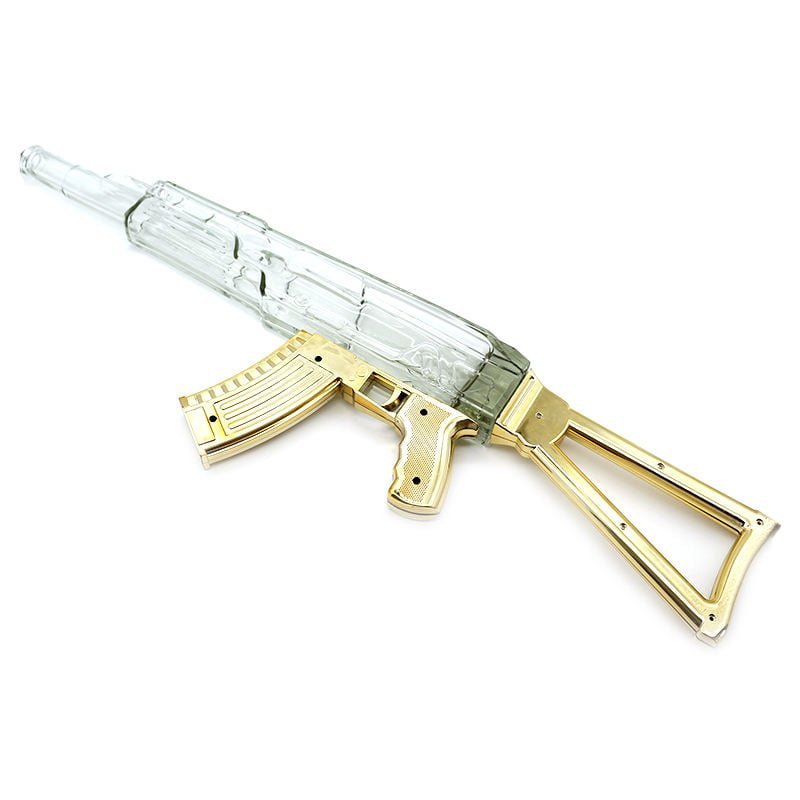
The AK-47 decanter is special because it looks exactly like the real rifle. It has all the details, from the stock to the magazine. This makes it a popular item for military fans, collectors, and people looking for a masculine-style gift. The decanter is not just for looks; it is also a functional bottle that can hold tequila, whiskey, or other spirits. Most of these unique decanters are made from a special type of glass called borosilicate glass. This material is stronger and more resistant to temperature changes than regular glass. If you want to know more about this material, you can read about what you need to know about borosilicate glass bottles.
The Art of Making Unique Bottle Shapes
Creating a bottle shaped like an AK-47 is not easy. It requires skilled workers and a careful process. The main method used is glassblowing, where artisans shape molten glass. To get the detailed rifle shape, special molds are needed. Making a custom mold can be expensive, sometimes costing thousands of dollars. The glass used is often borosilicate, which is very strong and clear. This ensures the final product is both beautiful and durable. The process shows the amazing skill involved in making these items. You can learn more about the detailed work in glassblowing techniques for agave tequila bottles. This craftsmanship is what makes each bottle a piece of art.
More Than Guns: The Universe of Custom Glass Bottle Designs
The AK-47 is just one of many unique bottle designs. The world of custom glass bottles is large and full of creativity. You can find bottles in almost any shape you can imagine. Some popular designs include skulls, animals, and even ships. These special bottles turn a simple drink into an experience. For example, a Tequila Bottle with Dragon can be a centerpiece in a collection. Another interesting option is a Custom Ship Shaped Wine Bottle, which is perfect for marine lovers. These designs show that a bottle can be much more than just a container; it can be a work of art that reflects your personality and interests.
Why Borosilicate Glass is the Choice for Premium Decanters
Most high-quality decanters are made from borosilicate glass for good reasons. This type of glass is much stronger than standard soda-lime glass. It can handle sudden temperature changes without breaking, which is a useful feature. This makes it a safe choice for storing valuable spirits. You can learn more about the differences between borosilicate glass vs. standard glass. Borosilicate glass is also very clear, allowing the color of the liquor to shine through. Many top borosilicate glass manufacturers specialize in creating these premium products for spirit brands that want to offer their customers something special.
Understanding the Controversy and Rules for Gun-Shaped Bottles
While popular, gun-shaped bottles are also controversial. Some people believe they glorify violence. In the United Kingdom, a regulatory body called the Portman Group has banned some of these products. For example, a vodka sold in a Kalashnikov-shaped bottle was banned for being “inappropriate”. Another whiskey sold in a Tommy gun-shaped bottle was also banned because it was linked to a dangerous weapon. These rules exist because some think the packaging has an association with aggressive behavior. This is an important factor to consider for both makers and collectors. You can find more collector information in the AK-47 tequila bottle: the ultimate collector’s guide 2025.
How to Start Your Unique Tequila Decanters Collection
Starting a collection of unique tequila decanters can be a rewarding hobby. First, decide what kinds of designs you like. You might want to focus on a specific theme, like weapons or animals. Look for bottles made from high-quality materials like borosilicate glass, as they are more durable. Pay attention to the details and craftsmanship of the bottle. A well-made decanter will be a joy to look at for years. For specific advice on what to look for, check out these AK-47 whiskey bottle collector’s tips and tricks. Remember that the goal is to build a collection that you enjoy and are proud to display.
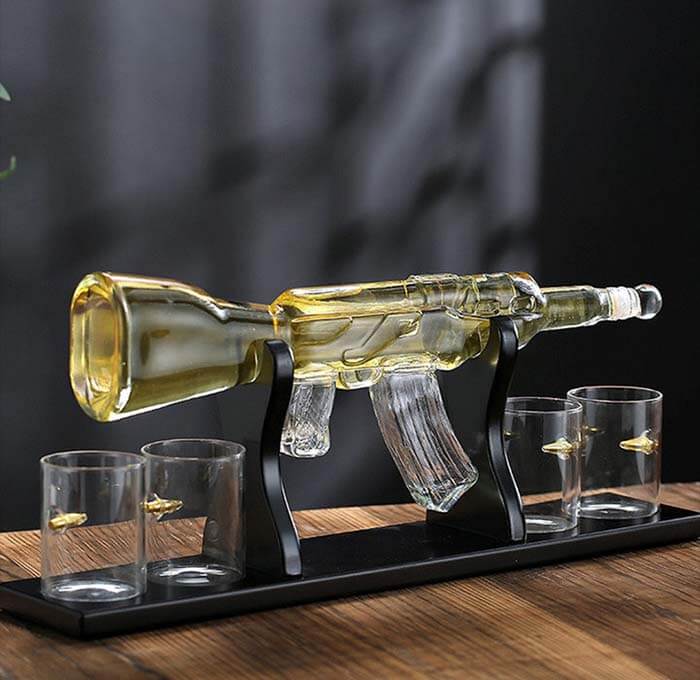
Frequently Asked Questions (FAQs)
What is an AK-47 tequila decanter made of?
AK-47 tequila decanters are typically made from handcrafted borosilicate glass, which is known for its durability, clarity, and resistance to thermal shock.
Can you put other spirits besides tequila in an AK-47 decanter?
Yes, while they are often marketed for tequila, these decanters are suitable for storing any spirit of your choice, including whiskey, vodka, or rum.
Is it legal to own a gun-shaped bottle?
In most places, it is legal to own for personal use. However, some countries, like the UK, have restricted the sale of alcohol in gun-shaped packaging due to concerns that it associates the product with violence.
Why are unique decanters becoming more popular?
The rise in popularity is linked to the “premiumization” trend in the spirits market, where consumers are willing to pay more for high-quality, artisanal, and visually appealing products.
What other unique bottle shapes are available for collectors?
Besides the AK-47, collectors can find a wide variety of shapes, including skulls, dragons, ships, globes, and animals.
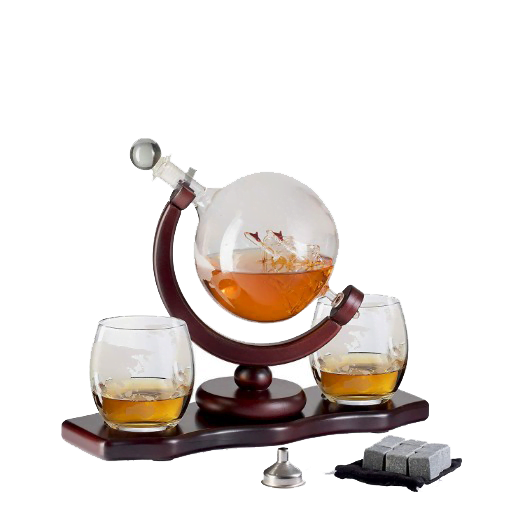
In the realm of whiskey aficionados, a whiskey decanter is much more than a mere container. It serves a dual purpose: an aesthetic enhancement to your bar and a functional asset that can make your whiskey experience even more enjoyable. Ingcho Glass, a renowned glassware manufacturer in China, elevates the whiskey decanter purpose with their unique designs, customization options, and unparalleled quality.
The Multifaceted Purpose of a Whiskey Decanter
At its core, a whiskey decanter’s role is straightforward, but what does a whiskey decanter do to enhance your whiskey experience? A decanter allows whiskey to breathe, which can enhance its flavor and aroma. In addition, a decanter serves as a classy and elegant vessel to store and pour whiskey, adding an element of sophistication to your bar.
One can’t forget about the whiskey decanter benefits when it comes to decoration. A beautifully designed decanter, such as Ingcho’s glass globe decanter, adds an extra layer of elegance to any setting. It serves as a conversation piece, showcasing your taste and love for whiskey.
Unique and Customized Whiskey Decanters
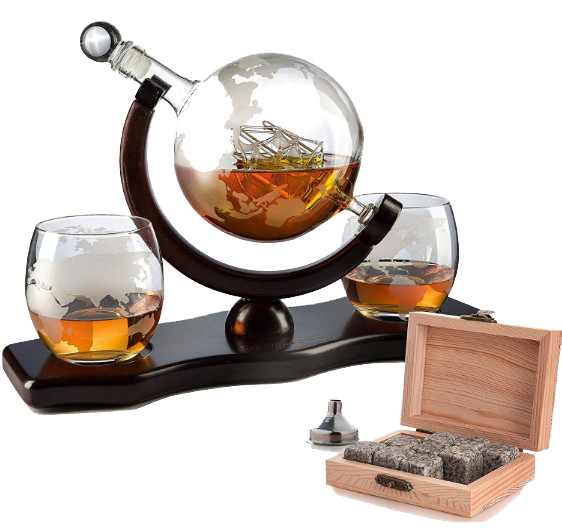
When it comes to choosing the best whiskey decanters, unique design and customization are key. Ingcho Glass offers a variety of whiskey decanter styles, each with their distinct charm. A notable example is the AK-47 rifle decanter, a daring and distinctive piece that makes a bold statement.
If you’re considering a personalized whiskey decanter gift, Ingcho Glass allows you to customize their decanters, making them truly one-of-a-kind. For instance, you can add a personal touch to the elegant globe whiskey decanter, making it a perfect gift for any whiskey enthusiast.
Wine Decanter vs Whiskey Decanter
While both wine and whiskey decanters serve similar purposes, their designs often differ. A globe wine decanter typically has a wide base to promote aeration, while a whiskey decanter, such as Ingcho’s globe decanter set, has a more uniform shape and a tighter seal to preserve the whiskey’s flavor.
Lead-Free Crystal Whiskey Decanters
Ingcho Glass understands the importance of safety and quality. Therefore, all their decanters, including the AK-47 whiskey decanter category, are made of lead-free crystal, ensuring you can enjoy your whiskey without any worries.
Maintaining Your Decanter: Whiskey Decanter Cleaning
A vital aspect of owning a decanter is knowing how to maintain it. Whiskey decanter cleaning may seem daunting, but with the right steps, it is quite straightforward. Ingcho Glass recommends using warm water, mild detergent, and soft brushes to keep your decanter sparkling clean.
A Plethora of Choices: Whiskey Decanter Types and Price Range
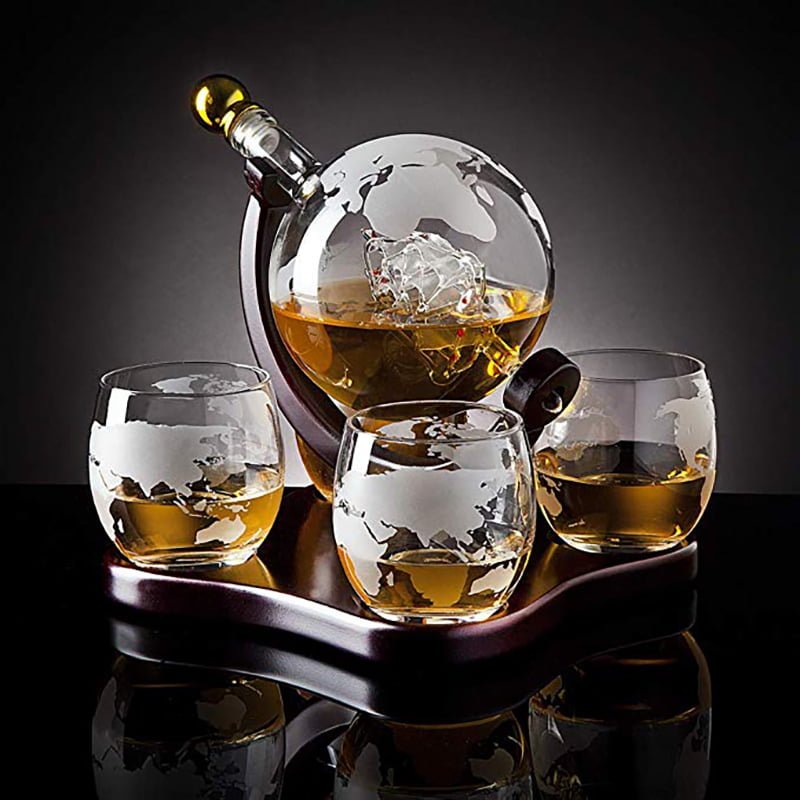
Ingcho Glass offers a wide range of whiskey decanter types, from the classic globe decanter to the uniquely designed AK-47 decanter. These decanters come in various price ranges, catering to both the budget-conscious and the extravagant spender.
Building Your Collection: Rare Whiskey Decanters
For the dedicated whiskey enthusiast, collecting rare whiskey decanters can become a fascinating hobby. With Ingcho’s unique designs, you can start your whiskey decanter collection and stand out from the crowd. Each decanter is a work of art, reflecting the company’s commitment to exceptional craftsmanship and innovative design.
How to Choose a Whiskey Decanter
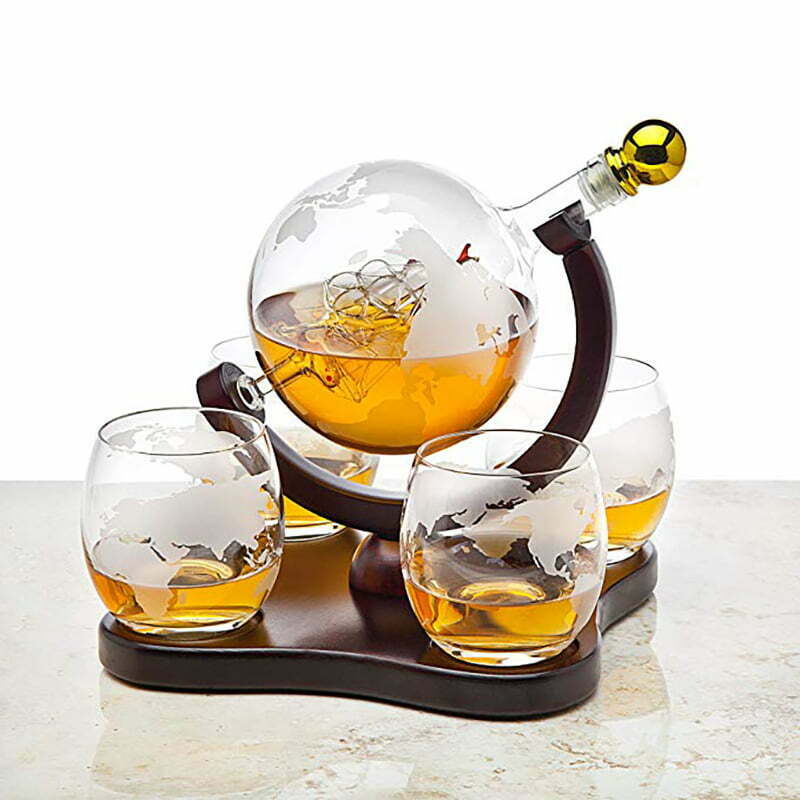
When deciding how to choose a whiskey decanter, consider the material, design, size, and closure type. Ingcho Glass offers a range of options to suit varying preferences. Whether you’re drawn to the modern appeal of the glass globe decanter or the bold statement of the AK-47 rifle decanter, you’re sure to find a piece that resonates with your style.
Elevate Your Whiskey Experience
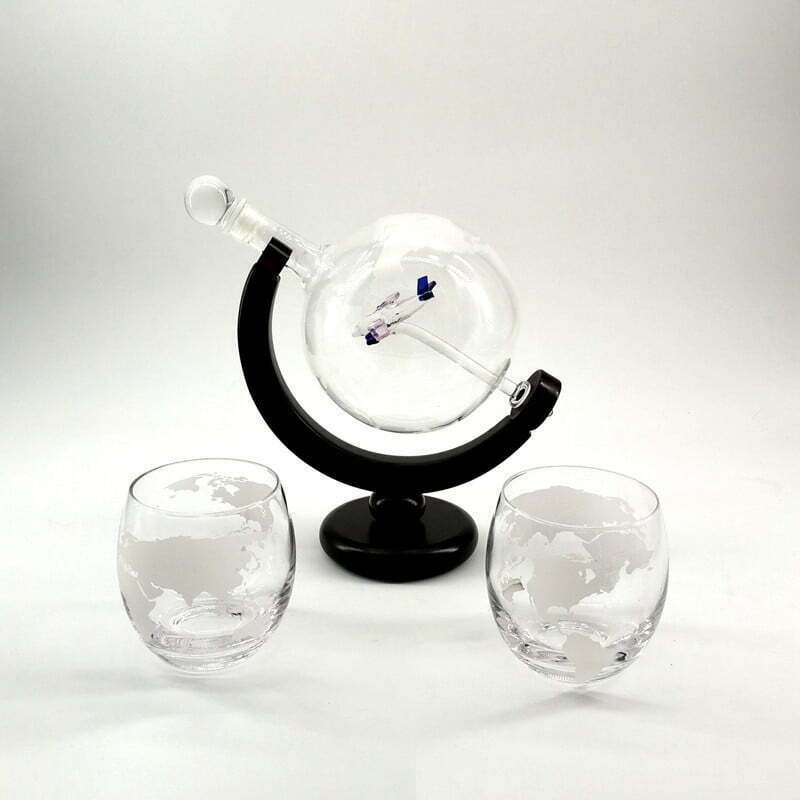
Understanding the whiskey decanter purpose goes beyond knowing its functional role. It’s about recognizing how a beautifully crafted decanter can elevate the whiskey experience, bringing a sense of refinement and sophistication.
Ingcho Glass, as a leading whiskey decanter manufacturer in China, captures this essence in each of their pieces. From their unique product designs to the customized options, they provide a whiskey experience that blends tradition and modernity.
Browse through our guide on the benefits of enhancing your whiskey experience and our recommendations for the best whiskey globe decanters for more insights.
Whether you’re a whiskey connoisseur or a novice, a decanter from Ingcho Glass will undoubtedly elevate your whiskey journey, offering more than just function, but also an artful addition to your home or office.
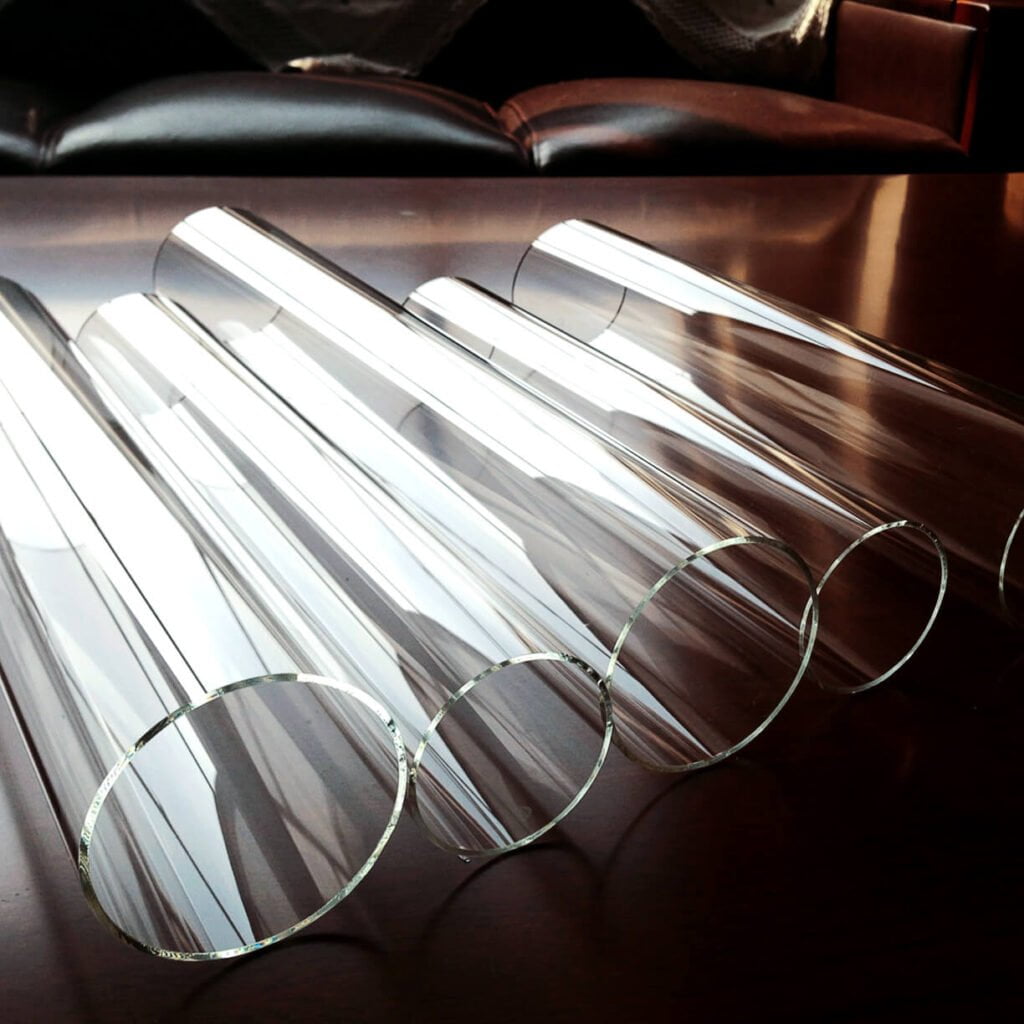
Borosilicate glass and Pyrex are often considered synonymous, but they have some crucial differences in properties and applications. This essay aims to unveil the distinctions between these two types of glass, their respective advantages, and the specific situations in which they excel. In this first half of the essay, we will discuss the properties of borosilicate glass and its benefits in laboratory, cookware, and other applications.
Properties of Borosilicate Glass
Borosilicate glass is a unique type of glass known for its low thermal expansion and high thermal shock resistance. This composition makes it ideal for use in various applications that require tolerance to sudden temperature changes, chemical resistance, and durability. The primary components of borosilicate glass include silica, boron trioxide, soda ash, and alumina.
Thermal Expansion and Shock Resistance
One of the significant benefits of using borosilicate glass in high-temperature applications is its low coefficient of thermal expansion. This feature means that borosilicate glass won’t expand or contract much when subjected to temperature changes, reducing the risk of cracking or shattering.
Borosilicate glass can easily withstand rapid and intense temperature fluctuations of around 165°C, giving it a high thermal shock resistance. This property distinguishes it from other types of glass, like soda-lime glass, making borosilicate glass a preferred material in various industries, especially the laboratory and scientific field.
Chemical Resistance
Borosilicate glass is known for its excellent chemical resistance properties. The material does not react with most chemicals, making it an ideal choice for laboratory glassware and storage containers where chemical stability is crucial. This factor demonstrates borosilicate glass’s versatility and application across many industries, including pharmaceuticals, cosmetics, and chemical manufacturing.
Applications of Borosilicate Glass
Laboratory and Scientific Use

As mentioned earlier, borosilicate glass is often preferred for laboratory glassware due to its low thermal expansion and high thermal shock resistance. These properties make it suitable for heating applications and exposure to chemicals without fear of breakage. Beakers, test tubes, and other laboratory equipment made from borosilicate glass can withstand high temperatures for extended periods without cracking or breaking.
Borosilicate Glass in Cookware
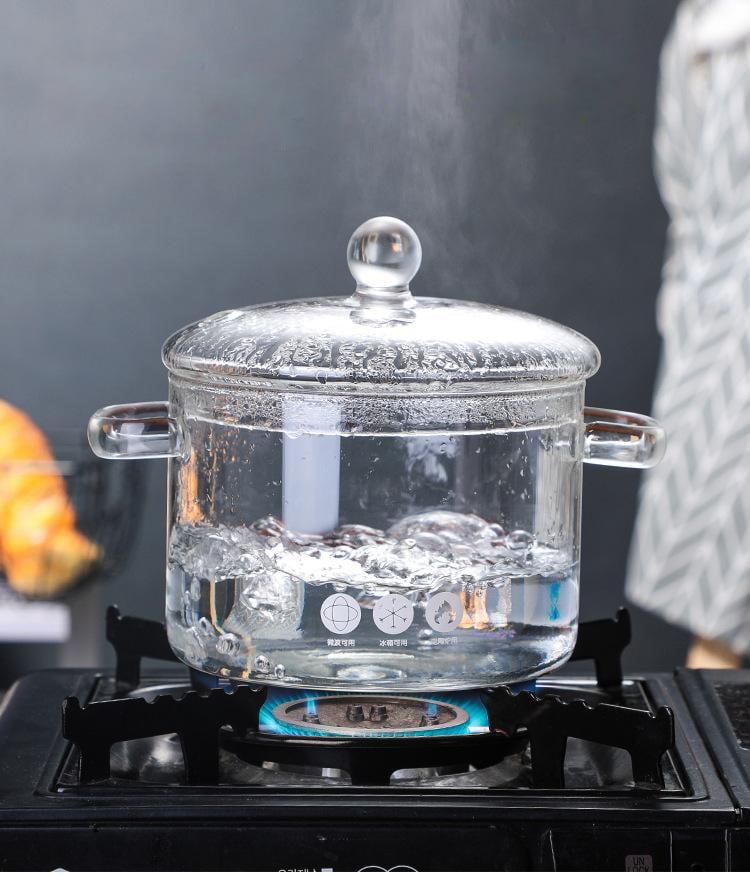
Borosilicate glass is an excellent material for cookware due to its heat resistance and durability. Glass cookware made from borosilicate can be transferred directly from the freezer to the oven or microwave, which is not possible with conventional soda-lime glass.
Pyrex: What Makes it Different?
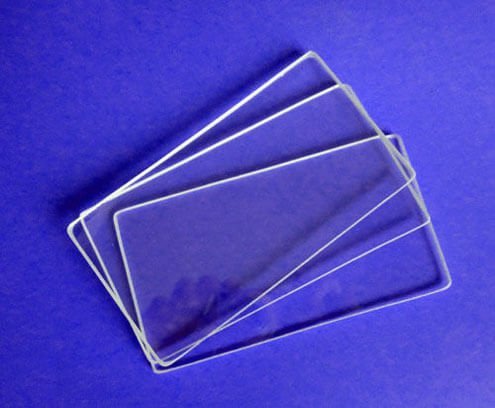
Pyrex is a popular brand name for a particular type of glassware, originally made from borosilicate glass. However, it’s essential to note that not all Pyrex products are now made with borosilicate glass. In recent years, some Pyrex products, especially in the United States, have been made using tempered soda-lime glass. This change in composition has influenced the thermal resistance and durability of these products.
Comparing Borosilicate Glass and Pyrex Heat Resistance
The heat resistance of Pyrex products depends on the type of glass used in manufacturing. Original Pyrex made from borosilicate glass has a similar heat resistance to other borosilicate glass products. However, Pyrex made with tempered soda-lime glass has a lower heat resistance and is more susceptible to cracking and breaking under rapid temperature fluctuations, compared to borosilicate glass.
When choosing a heat-resistant glass product, opt for borosilicate glass or original Pyrex made from borosilicate glass for the best thermal performance.
Soda Lime Glass vs. Pyrex and Borosilicate Glass in Heating Applications
Soda-lime glass is the most common type of glass and has a significantly higher coefficient of thermal expansion than borosilicate glass. This characteristic makes soda-lime glass more prone to cracking under rapid temperature changes. When comparing borosilicate glass and soda lime glass for heating applications, borosilicate glass has a clear advantage due to its lower thermal expansion and higher thermal shock resistance.
For applications requiring heat resistance, opt for borosilicate glass or original Pyrex made from borosilicate glass instead of soda-lime glass.
Identifying Borosilicate Glass
To distinguish between borosilicate glass and other types of glass, such as soda-lime or tempered glass, consider the following tips:
- Branding: Look for branding or packaging information that explicitly states the product is made from borosilicate glass.
- Transparency: Borosilicate glass has a slightly different appearance than soda-lime glass. It often looks clearer and has fewer impurities.
- Thickness: Borosilicate glass is often thinner and lighter than products made from soda-lime glass due to its strength and durability.
Conclusion
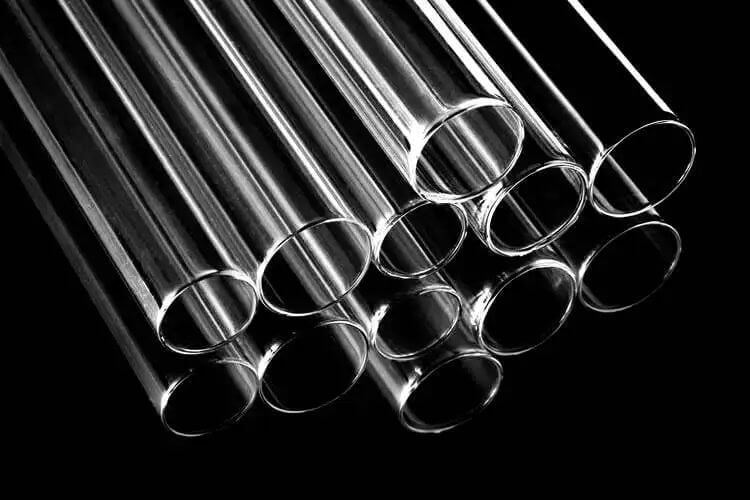
Understanding the differences between borosilicate glass and Pyrex, as well as their respective benefits, is crucial when selecting glassware based on heat resistance or laboratory usage. In general, borosilicate glass offers a higher thermal shock resistance and chemical resistance than soda-lime glass, including some Pyrex products made from tempered soda-lime glass.
When choosing glassware for heat resistance, laboratory use, or stability, opt for borosilicate glass or original Pyrex made from borosilicate glass as the preferred material. These glasses have unique properties that make them suitable for a wide range of applications, ensuring durability and reliability.
| Key Takeaway | What It Means for B2B Buyers |
|---|---|
| A Tequila Bottle with Skull can lift price by 50–400% | The bottle can drive the buy decision, even if the liquid is average. |
| Ceramic fits collectible + gift brands | Lower MOQ, hand-painted look, strong culture story, higher break risk. |
| Glass fits volume retail + bars | Higher MOQ and mold cost, lower unit cost, steady quality. |
| Your margin can grow 2–4x with the right story | A clear culture angle + limited drops can beat commodity pricing. |
| Tooling decisions decide your profit | One bad neck finish or cap thread can create leaks, returns, and bad reviews. |
| QA and packing protect the design | Strong cartons, dividers, and drop testing save money fast. |
Tequila Bottle with Skull: why it wins shelf space
A skull bottle grabs attention in one second. People stop. People pick it up. That pause matters in retail. It also matters online. A skull shape looks strong in photos and short videos. Many buyers share it on social media because it looks like art, not a plain bottle.
Brands use this shape to stand out from “same-shape” competitors. They also use it to justify a higher price. Some market reports expect the tequila market to keep growing, with premium tiers growing faster. A skull bottle fits that premium tier well.
Start with real references and proven shapes. See examples in this guide on tequila bottle with skull design and branding: Tequila bottle with skull cultural aesthetic and product-ready options like a skull tequila bottle.

Culture first: Day of the Dead meaning and safe brand use
Skulls can mean “fear” in some markets. Day of the Dead meaning is different. It shows love, memory, and family. It uses bright color and joy. A brand should treat that idea with respect. A simple story works best. Use clear words. Use real visual cues like flowers, patterns, and warm colors.
A good design team also matches the bottle to the liquid story. Tequila comes from agave. Buyers like to see that link in the design language. They also like to learn the basics fast. Use content that explains agave types and heritage in a clean way.
These pages help you build that base story for packaging and labels: types of agave for tequila and the evolution of tequila bottles.
Collectible economics: why the bottle drives the price
A collectible bottle turns packaging into an “object.” People keep it. People display it. Some people even buy a second bottle just to keep the container. That behavior changes the math. The bottle becomes the main reason to pay more.
Skull bottles often sit in the “premium gift” zone. That zone accepts higher prices because the buyer shops with emotion. The buyer also shops for shelf impact. The brand can use limited colors, artist marks, or seasonal drops to lift demand. Scarcity can raise resale value, too.
Use proven premium shape cues. Start here: luxury bottle shapes that balance elegance and function. Then study the supply path for unusual shapes in bulk: unique glass bottles wholesale for business.
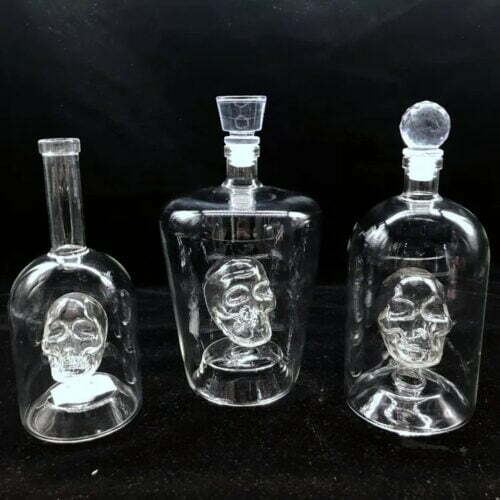
What buyers say online: bottle love beats taste debates
Online comments show a clear pattern. Many buyers praise the bottle first. They talk about the look, the paint, and the “display” value. Some buyers criticize the taste. They still buy again because they want the next bottle design. That is the core lesson for private label.
One common risk shows up too. A skull shape can create awkward pouring if the lip is wide or the neck angle feels off. Buyers may forgive this in a collectible tier, but returns still hurt you. You can fix this early with better neck finish and cap fit.
If you want a strong reference case, study skull packaging that reshaped buyer expectations. These pages show design and production details:
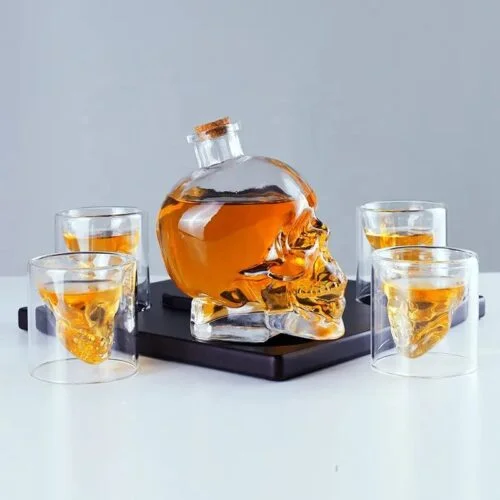
Ceramic skull bottles from China: low MOQ, high story
Ceramic fits brands that want “hand-made” energy. It also fits brands that want many color versions. A painter can change details without changing a mold. That helps you test the market with smaller runs. Many ceramic projects start at 500–2,000 units.
Ceramic can cost more per unit than glass. Yet the bottle can support a much higher retail price because it looks like art. That story can lift wholesale margins too. Ceramic also adds risk. It can break more in shipping. It can show paint variance. You must set a clear “acceptable range” with your supplier.
Use a clear brief and keep it simple. Start with proven steps for custom concepts:
Glass skull bottles from China: high MOQ, low unit cost
Glass fits scale. A steel mold makes the shape repeatable. That repeatable look helps retail chains and bar programs. It also helps you keep the bottle consistent across years. Unit cost drops fast as volume grows. That is why glass works well for 10,000–50,000+ runs.
Glass projects need smart early decisions. The mold locks in the face details, jaw depth, and neck finish. Small changes later cost real money. Plan your cap type, thread, and label area from day one. Also decide your glass type. Soda-lime costs less. Borosilicate can signal “premium,” but it changes process and cost.
Use these guides to plan the build:
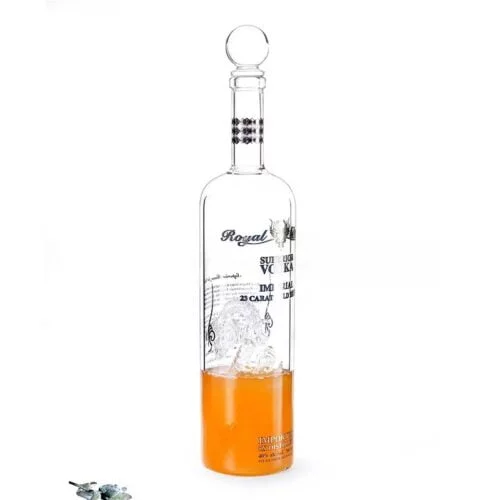
Ceramic vs glass: cost, risk, and margin table
Ceramic and glass both work. The best choice depends on your price tier and your cash plan. Ceramic helps you test demand with lower MOQ. Glass helps you scale with lower unit cost.
| Choice | Typical MOQ | Unit Cost Range | Best For | Main Risk |
|---|---|---|---|---|
| Ceramic hand-painted skull | 500–2,000 | $4–$8 | Collectible, gifts, limited drops | Breakage, paint variance |
| Molded glass skull | 10,000–20,000+ | $1.5–$3 | Volume retail, bars, steady supply | High mold + MOQ risk |
Material safety also matters. Many importers now ask for lead-free, food-safe proof. Keep your material story clear and simple. These pages help:
Design details that lift perceived value
Small details change buyer trust. A clean neck finish makes pouring feel “high-end.” A stable base makes the bottle feel heavy and secure. Sharp mold lines make the bottle feel cheap. Fix those early.
Plan the “branding zones.” You need a flat area for labels. You also need space for embossing or a logo stamp. Keep the skull face bold, but do not overload it with tiny lines that fail in mass production. Choose closure style early. Cork, T-cap, or screw cap each changes the neck.
Use proven design systems for branding and custom shapes:
- Borosilicate decanter branding options
- Custom shape bottle design ideas
- Tequila bottle designs for private label
China sourcing plan: regions, timing, and factory visits
China sourcing works best with a plan. First, pick the right region for your material and process. Some areas focus on glass furnaces and molded bottles. Other areas focus on handcraft work and small runs. Regional strengths change lead time and price.
Next, time your buying cycle. Many buyers see delays around peak seasons. You can avoid rush fees if you plan sampling and tooling early. A factory visit helps you catch problems fast. You can check mold storage, QC stations, and packing lines with your own eyes.
Use these guides to build your route and questions:
- China glass factory visit guide
- Top glass manufacturing regions in China
- Hebei vs Guangdong supplier comparison

Tooling and samples: how to avoid mold regret
A skull bottle needs a strong sample process. First, confirm capacity. Then lock the neck spec. Then confirm carton fit. Do not skip these steps. A bottle can look great and still fail in filling lines or shipping cartons.
Use a staged sample plan. Start with a 3D file review. Then request a physical sample. Then run a small pilot pack test. If you change the face details, you may also change wall thickness. That can change weight and break risk.
Use a clear OEM path so each stage has sign-off. These pages help you control time and cost:
Quality control and packing: stop chips, leaks, and returns
Returns kill profit. Most returns come from three issues: chips, leaks, and haze. You can prevent all three with basic checks. For glass, check bubbles, stones, and thickness. For ceramic, check glaze pinholes and paint rub. For both, check cap fit and torque.
Packing also matters. Use strong dividers. Use corner protection. Add a simple drop test plan before you ship full volume. Many brands also use third-party inspection for the first run, then switch to random checks later.
Use these tools to build your control plan:
- How to vet supplier production capabilities
- Step-by-step OEM onboarding guide for glassware
- Heat and chemical resistance for alcohol storage
Pricing strategy for private label: build a SKU ladder
A skull bottle can support a simple price ladder. You can run a core SKU for steady sales. You can run limited colors for hype. You can also add a premium closure and gift box to lift margin. Keep the ladder easy to understand.
Use ceramic for limited runs if you want “one-of-one” feel. Use glass for a steady core if you want wide distribution. Some brands mix both. They keep glass in retail shelves. They drop ceramic for seasonal demand. That mix can keep attention high all year.
Start with a clear product set and a short list of hero designs:
- Personalized glass bottles to elevate your brand
- Tequila bottle product category for sourcing
- Ingcho products overview for buyers
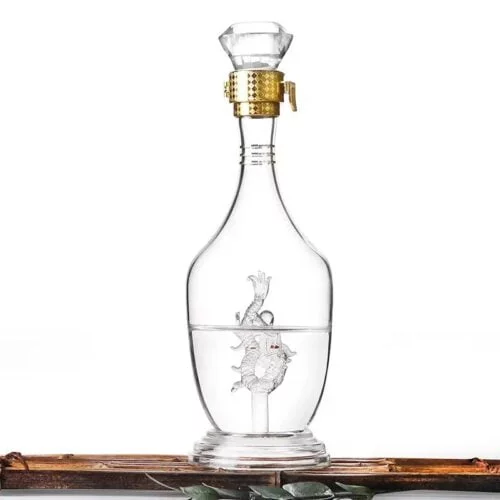
Frequently Asked Questions
What bottle sizes work best for tequila brands? Most brands use standard sizes like 750ml and 1L. Use a size guide like tequila bottle sizes and ultimate tequila bottle size guide.
Can a skull bottle pass US compliance rules? Shape usually has no special ban. You still must follow label and size rules. Keep documentation clean during import.
Should I choose borosilicate for a skull bottle? Borosilicate can offer clarity and stability for premium positioning. See long-term clarity advantage and borosilicate bottle basics.
How do I pick a safe, reliable supplier? Ask for process proof, QC records, and past export cases. Start with choosing glass container suppliers and borosilicate glass manufacturers.
What closures work best for skull bottles? Match the closure to your neck finish and filling line. Compare options in custom lid types guide.
How do I reduce breakage in shipping? Use dividers, corner protection, and drop tests. Build your packing spec early and follow a clear onboarding flow like the OEM onboarding guide.
Is “eco” packaging real for glass bottles? Glass can support reuse and recycling stories. Keep claims simple and verifiable. See borosilicate environmental advantages.
What is the fastest way to start a skull bottle project? Pick an existing shape, order samples, then customize branding. Start from custom bottle design ideas and a clear prototype plan.
