Buyer Guides By Topic.
Browse the buyer guides available in this topic.
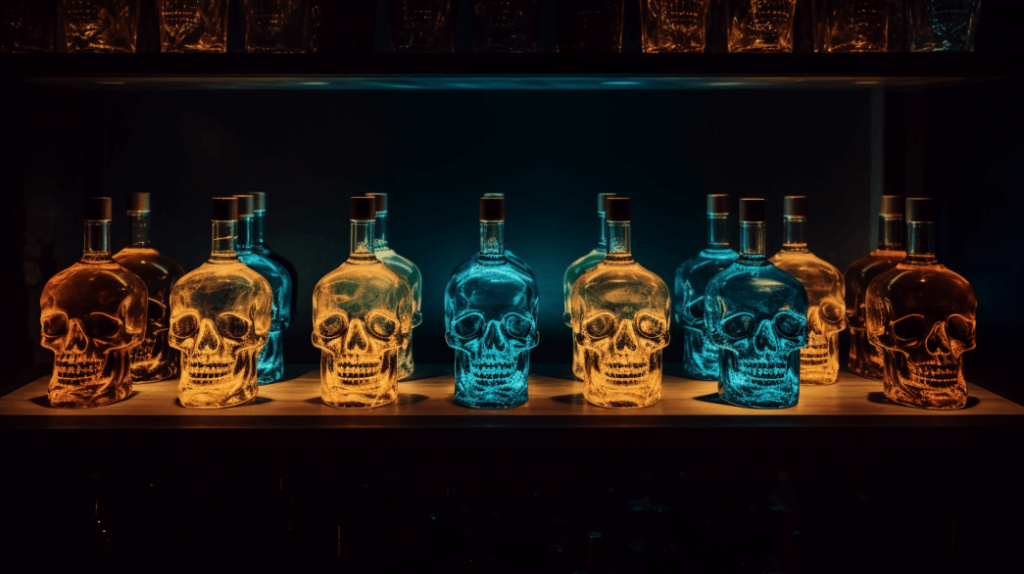
I. Introduction
A. Introduce Skull Vodka bottles
Skull Vodka bottles are known for their unique design and the sense of popularity and intrigue they bring to the spirits industry. These distinctive bottles have become a symbol of creativity and innovation in the world of packaging design.
B. The importance of bottle design in the spirits industry
- Differentiation from competitors: Bottle design plays a crucial role in helping brands stand out from the competition, as it is often the first thing that consumers notice on the shelf.
- Attracting consumers: An eye-catching bottle design can pique a consumer’s interest, leading them to choose one brand over another.
C. The aim of this essay
This essay aims to explore the production process of Skull Vodka bottles and analyze the factors that contribute to their success in the spirits industry.
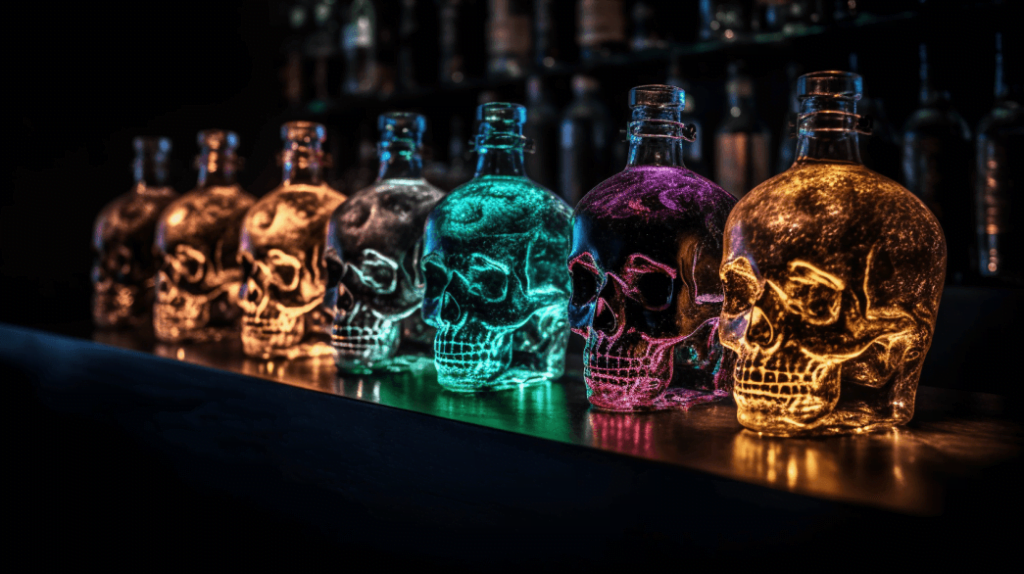
Ⅱ. Manufacturing the Skull Vodka bottles
1. Selection of materials
a. Importance of high-quality glass: Skull Vodka bottles are made from high-quality glass to ensure durability and maintain the product’s integrity.
b. Emphasis on environmental sustainability: The manufacturing process focuses on using eco-friendly materials and practices to reduce its environmental impact.
2. The glassblowing process
a. Traditional techniques: Skull Vodka bottles are crafted using traditional glassblowing techniques, which require skilled artisans to shape and mold the glass.
b. Skilled artisans: These craftsmen have years of experience in glassblowing and are responsible for the bottle’s intricate design and details.
c. Quality control and consistency: The production process involves rigorous quality control measures to ensure each bottle meets the brand’s high standards.
3. Decorating the bottles
a. The application of logos and labels: Logos and labels are carefully applied to the bottles, showcasing the brand’s identity and providing essential product information.
b. Attention to detail and quality: Every aspect of the bottle’s decoration is meticulously executed to maintain the brand’s reputation for exceptional design and craftsmanship.
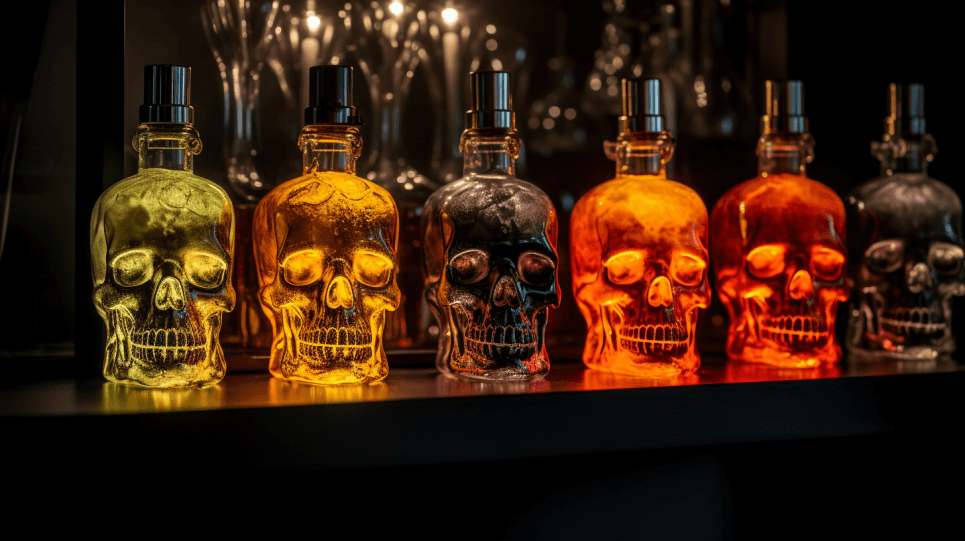
Ⅲ. Filling and packaging the Skull Vodka bottles
1. The distillation process
a. High-quality ingredients: Skull Vodka is made from the finest ingredients, ensuring a premium product that meets the expectations of discerning consumers.
b. Unique filtration method: The vodka undergoes a unique filtration process that enhances its smoothness and purity.
2. Filling the bottles
a. Ensuring product quality and safety: The filling process is carefully monitored to maintain product quality and safety, adhering to strict industry standards.
3. Packaging and shipping
a. Protective packaging: Skull Vodka bottles are packaged in protective materials to prevent damage during transportation.
b. Efficient distribution system: The brand employs an effective distribution system to ensure that its products reach retailers and customers promptly.
Ⅳ. Marketing and branding
1. The role of packaging in product differentiation
Skull Vodka’s unique packaging sets it apart from competitors, making it instantly recognizable and memorable in the crowded spirits market.
2. Creating a unique brand identity
The brand’s distinctive bottle design plays a significant role in shaping its identity and positioning it as a premium, innovative product.
3. Engaging with consumers
Skull Vodka effectively engages with consumers through social media, events, and promotions, creating a strong connection between the brand and its audience.
4. Promotions and collaborations
The brand has participated in various collaborations and promotions to raise awareness, attract new customers, and solidify its place in the market. These partnerships showcase the versatility and creativity of Skull Vodka’s bottle design.
Ⅴ. Conclusion
A. Recap the production process of Skull Vodka bottles
The production of Skull Vodka bottles involves a meticulous process that emphasizes design, craftsmanship, and quality. From the selection of materials and glassblowing techniques to decorating, filling, and packaging, every aspect of the process is carefully managed to ensure a premium product.
B. The impact of Skull Vodka bottles on the spirits industry
- Encouraging innovation in bottle design: Skull Vodka’s unique bottles have inspired other brands to push the boundaries of packaging design, leading to greater creativity and innovation in the industry.
- Inspiring other brands to develop unique packaging: The success of Skull Vodka has demonstrated the power of distinctive packaging, motivating other brands to invest in their own unique designs.
C. The future of Skull Vodka bottles
- Potential for new designs and limited editions: As the brand continues to grow, there may be opportunities for new designs or limited-edition bottles, further showcasing the creativity and innovation of Skull Vodka.
- Continued commitment to quality and sustainability: Skull Vodka is likely to maintain its commitment to using high-quality materials and sustainable practices in the production of its bottles, reinforcing its reputation for premium products.
D. Final thoughts on the importance of understanding the production process of iconic products like Skull Vodka bottles
- Appreciating the craftsmanship and effort behind the scenes: Understanding the intricate production process of Skull Vodka bottles helps us appreciate the skill, artistry, and dedication involved in bringing these unique designs to life.
- Recognizing the role packaging plays in shaping consumer perception and brand identity: The success of Skull Vodka demonstrates the power of packaging in capturing consumer attention and building a strong brand identity, serving as an inspiration for other brands in the spirits industry.

Introduction
Brief history of glassblowing
Glassblowing is an ancient art form that has been practiced for over 2,000 years. This process involves heating glass to a molten state and then using tools, breath, and gravity to shape it into various forms. With its origins in the Roman Empire, glassblowing has evolved significantly over the years and has been used to create a wide range of artistic and functional objects.
Importance of glassblowing in the tequila industry
In the tequila industry, glassblowing plays a crucial role in the production of unique and eye-catching bottles. These bottles not only serve as containers for the spirit but also as works of art that embody the essence of tequila and its cultural roots. In this regard, custom tequila bottles have become an important aspect of the branding and marketing of tequila products.
Aesthetic and practical significance of custom tequila bottles
Custom tequila bottles offer both aesthetic and practical advantages. Their unique designs and shapes can make them collectible items, attracting tequila enthusiasts and art collectors alike. These bottles also serve as a visual representation of the tequila’s character, reflecting its flavor profile and origin.
Overview of different glassblowing techniques used for agave tequila bottles
Various traditional and modern glassblowing techniques are employed to create stunning agave tequila bottles. This essay will delve into these techniques, exploring how they are applied in the production of these bottles, and examining the artistic and cultural influences on their design.
I. Traditional Glassblowing Techniques
A. Offhand Glassblowing
1. Explanation of the process
Offhand glassblowing is a traditional technique that involves gathering molten glass on the end of a blowpipe and shaping it using various tools, gravity, and the glassblower’s breath. This process requires skill and precision, as the artist must control the temperature and viscosity of the glass while creating the desired shape.
2. Application in making agave tequila bottles
Offhand glassblowing allows artists to create one-of-a-kind, handcrafted tequila bottles with intricate designs and unique shapes. These bottles often feature elements inspired by Mexican culture and the agave plant, which is the source of tequila. Examples of such bottles can be found in the artistic tequila bottles collection.
B. Mold-Blown Glass
1. Explanation of the process
Mold-blown glass involves blowing molten glass into a pre-designed mold, which shapes the glass as it cools and hardens. This technique allows for the production of more uniform and intricate designs, as the mold can have fine details that would be difficult to achieve through offhand glassblowing.
2. Application in making agave tequila bottles
Mold-blown glass is used to create tequila bottles with consistent shapes and designs, making it ideal for mass production. This technique can still produce unique and artistic bottles, such as those featured in this tequila bottle collection.
C. Glassblowing tools and equipment
1. Importance of various tools
Glassblowing tools are essential in shaping and manipulating molten glass. Some of the most common tools used in glassblowing include the blowpipe, punty, shears, jacks, tweezers, and paddles. Each tool serves a specific purpose in the glassblowing process, allowing the artist to create intricate and precise designs.
2. How tools influence the final product
The
choice of tools and their proper use have a significant impact on the final product. The precision and skill with which an artist uses these tools will determine the quality, design, and overall appearance of the tequila bottle. Mastering the use of these tools is crucial for creating exceptional agave tequila bottles that stand out in the market.
II. Modern Glassblowing Techniques
A. Kiln Casting
1. Explanation of the process
Kiln casting is a modern glassblowing technique that involves creating a mold of the desired shape, filling it with glass, and heating it in a kiln until the glass melts and takes the shape of the mold. Once cooled, the mold is removed, leaving behind a solid glass object with the desired design.
2. Application in making agave tequila bottles
Kiln casting enables the creation of intricate and detailed tequila bottles that would be difficult or impossible to achieve through traditional glassblowing techniques. It allows for greater precision and control, resulting in bottles with complex designs and unique features, such as the tequila bottle with a dragon.
B. Fused and Slumped Glass
1. Explanation of the process
Fused and slumped glass is a technique that involves layering pieces of glass and heating them in a kiln until they fuse together. The glass can then be slumped or bent over a mold to create the desired shape. This method allows for the incorporation of various colors and patterns into the glass, resulting in unique and visually appealing designs.
2. Application in making agave tequila bottles
Fused and slumped glass can be used to create distinctive tequila bottles with vibrant colors and patterns that reflect the spirit and culture of tequila. These bottles often feature artistic elements inspired by Mexican and Indigenous art, such as the tequila bottle with a flower.
C. Technological advancements in glassblowing
1. How modern technology has impacted glassblowing techniques
Technological advancements have had a significant impact on the glassblowing industry, introducing new methods and tools that allow for greater precision, efficiency, and creativity. Computer-aided design (CAD) and 3D printing, for example, have revolutionized the way molds are created, enabling artists to produce more intricate and complex designs.
2. Future possibilities in glassblowing for agave tequila bottles
As technology continues to evolve, the potential for innovation and growth in glassblowing for agave tequila bottles is vast. New techniques and tools will allow artists to create even more elaborate and visually stunning bottles that push the boundaries of traditional glassblowing and captivate tequila enthusiasts worldwide.
III. Artistic and Cultural Influences on Agave Tequila Bottle Design
A. Mexican and Indigenous art influences
1. The significance of traditional Mexican and Indigenous art in bottle design
Traditional Mexican and Indigenous art has a profound influence on the design of agave tequila bottles. These artistic styles often feature motifs inspired by nature, history, and mythology, which are skillfully incorporated into the bottles’ designs, creating a connection between the spirit and its cultural roots.
2. Examples of art-inspired agave tequila bottles
Examples of tequila bottles influenced by Mexican and Indigenous art can be found in various collections, such as the artistic tequila bottles collection, which features bottles adorned with agave plants, animals, and other culturally significant symbols.
B.
Contemporary art and design trends
1. How modern art and design trends have influenced tequila bottle design
Modern art and design trends have made their way into the tequila bottle design, resulting in innovative and visually striking bottles that appeal to contemporary tastes. These designs often incorporate abstract patterns, geometric shapes, and bold colors, reflecting the evolving aesthetics of the art world.
2. Examples of contemporary-inspired agave tequila bottles
Contemporary-inspired tequila bottles can be seen in various collections, such as the tequila bottle with a skull, which combines traditional cultural motifs with a modern, edgy design.
C. Environmental and sustainability concerns
1. The impact of glass production on the environment
Glass production, like any manufacturing process, has an impact on the environment. The production of glass requires significant energy resources and can generate greenhouse gas emissions and waste. As such, it is important for the glassblowing industry to adopt sustainable practices to minimize its environmental footprint.
2. Sustainable glassblowing practices for agave tequila bottles
Sustainable glassblowing practices for agave tequila bottles can include using recycled glass, employing energy-efficient furnaces, and implementing waste reduction strategies. Additionally, artists and manufacturers can incorporate eco-friendly designs and materials into their bottles, such as using natural cork stoppers or sustainably sourced wood for bottle accents.
Conclusion
Recap of various glassblowing techniques used for agave tequila bottles
This essay has explored a range of traditional and modern glassblowing techniques used in the production of agave tequila bottles, including offhand glassblowing, mold-blown glass, kiln casting, and fused and slumped glass. Each technique offers unique advantages and contributes to the creation of stunning, one-of-a-kind tequila bottles.
The importance of art and cultural influences on bottle design
Artistic and cultural influences play a crucial role in shaping the design of agave tequila bottles, with Mexican and Indigenous art as well as contemporary trends driving the aesthetics of these bottles. These influences help to create a connection between the tequila and its cultural roots, adding depth and meaning to the spirit.
How glassblowing techniques contribute to the identity and branding of tequila
The glassblowing techniques used to create agave tequila bottles contribute significantly to the identity and branding of tequila products. Unique and eye-catching bottle designs can set a tequila brand apart from its competitors, while also reflecting the spirit’s character and origin.
The potential for innovation and growth in glassblowing for agave tequila bottles
As technology continues to advance and new glassblowing techniques emerge, there is immense potential for innovation and growth in the production of agave tequila bottles. The future of this art form promises to deliver even more captivating and visually striking bottles that will continue to enchant tequila enthusiasts and collectors around the world.

Ⅰ.Introduction
A. Hook: The unique fusion of craftsmanship, design, and whiskey appreciation
Whiskey appreciation is an art, and the perfect glassware can elevate this experience to new heights. The AK 47 Whiskey Glassware set combines exquisite craftsmanship, innovative design, and a profound understanding of whiskey appreciation to create a truly unique and immersive experience.
B. Brief history of whiskey glassware
- Traditional whiskey glasses
- Evolution of whiskey glass design
Whiskey glassware has come a long way from its humble beginnings. Traditional whiskey glasses, such as the tumbler and the Glencairn, served their purpose but lacked the flair and sophistication of modern designs. As whiskey appreciation evolved, so did the glassware, leading to more intricate and functional designs that catered to the needs of whiskey connoisseurs.
C. Introduction to AK 47 Whiskey Glassware
- Distinctive features
- How it enhances the whiskey drinking experience
The AK 47 Whiskey Glassware is a testament to the marriage of form and function. With a unique design featuring an AK 47 bullet embedded in the glass, it is not only visually stunning but also enhances the whiskey drinking experience by improving aroma detection and taste.
D. Thesis statement: The AK 47 Whiskey Glassware set is the epitome of innovation, elegance, and functionality that takes whiskey enjoyment to new heights.
Ⅱ. The art of whiskey appreciation
- The role of glassware in whiskey tasting
- Factors affecting whiskey experience a. Aroma b. Taste c. Visual appeal
- Importance of a well-designed whiskey glass
Whiskey appreciation is a multisensory experience, with the glassware playing a crucial role in enhancing the drinker’s experience. The right glass can accentuate the whiskey’s aroma, taste, and visual appeal, adding depth and nuance to each sip. A well-designed whiskey glass, like the AK 47 Whiskey Glassware, strikes the perfect balance between form and function, ensuring an unparalleled whiskey experience.
Ⅲ. The craftsmanship of AK 47 Whiskey Glassware
- High-quality materials a. Lead-free crystal b. Durability and clarity
- Attention to detail a. Intricate design b. Handmade production
The AK 47 Whiskey Glassware is crafted from high-quality, lead-free crystal, ensuring durability and unparalleled clarity. Each glass is meticulously handcrafted, with attention to detail that results in an intricate design featuring an AK 47 bullet embedded in the glass.
Ⅳ. Unique design elements of AK 47 Whiskey Glassware
- AK 47 bullet embedded in the glass a. Symbolism b. Conversation starter
- Ergonomic design a. Comfortable grip b. Enhanced swirling capabilities
The AK 47 bullet embedded in the glass is not just a visual statement but also a symbol of strength, precision, and craftsmanship. This unique design element acts as a conversation starter, piquing curiosity and intrigue. Additionally, the ergonomic design of the glass ensures a comfortable grip and enhanced swirling capabilities, allowing whiskey enthusiasts to fully appreciate the nuances of their favorite spirit.
Ⅴ. Enhancing the whiskey experience with AK 47 Whiskey Glassware
- Improved aroma detection a. Shape of the glass b. Impact on nosing experience
- Enhanced taste a. Savoring the flavors b. Impact of the glass on the palate
- Visual appeal a. Presentation b. Aesthetic value
The unique shape of the AK 47 Whiskey Glassware is designed to optimize the nosing experience, ensuring that the whiskey’s aroma is captured and funneled towards the drinker’s nose. This results in improved aroma detection and an enhanced appreciation of the whiskey’s complexity. The glass also impacts the taste, allowing the drinker to savor each flavor profile on the palate. The visual appeal of the glass, with its distinctive design and presentation, adds to the overall sensory experience of whiskey appreciation.
Ⅵ. AK 47 Whiskey Glassware as a perfect gift
- For whiskey enthusiasts a. A memorable addition to their collection b. Enhancing their whiskey journey
- For special occasions a. Birthdays, anniversaries, and holidays b. Corporate gifting
The AK 47 Whiskey Glassware set makes an ideal gift for whiskey enthusiasts, as it not only adds a memorable piece to their collection but also enhances their whiskey journey. The glassware is also a fitting gift for special occasions, such as birthdays, anniversaries, holidays, and even corporate events, where it serves as a unique and sophisticated conversation starter.
Ⅶ.Conclusion
A. Recap of key points
- The importance of glassware in whiskey appreciation
- The craftsmanship and unique design of AK 47 Whiskey Glassware
- How AK 47 Whiskey Glassware enhances the whiskey experience
B. Restate thesis statement: The AK 47 Whiskey Glassware set elevates the whiskey drinking experience by merging innovation, elegance, and functionality.
The AK 47 Whiskey Glassware is a testament to the perfect union of innovation, elegance, and functionality. With its intricate design, high-quality materials, and a keen understanding of the art of whiskey appreciation, it elevates the whiskey experience to new heights.
C. The lasting impact of AK 47 Whiskey Glassware
- A statement piece for collectors and enthusiasts
- The future of whiskey glassware
As a statement piece for collectors and enthusiasts, the AK 47 Whiskey Glassware stands out in any collection, showcasing the evolution of whiskey glassware and paving the way for future innovations in this field.
D. Final thoughts: Investing in AK 47 Whiskey Glassware is an investment in a unique and sophisticated whiskey experience that will leave a lasting impression.
In conclusion, the AK 47 Whiskey Glassware set is more than just a beautifully crafted piece of glassware; it is an investment in a unique and sophisticated whiskey experience that will leave a lasting impression on both the drinker and their guests.
Introduction
A. Hook
Custom bottle designs have become a powerful tool for businesses to differentiate themselves and establish a unique brand identity. With consumers being exposed to countless products on a daily basis, it’s essential for brands to stand out and make a lasting impression.
B. Background information
In today’s competitive market, branding and packaging play a crucial role in attracting consumers and establishing brand loyalty. Custom bottle designs not only create a visually appealing product but also help convey a brand’s personality, values, and message to its target audience.
C. Thesis statement
Custom bottle designs offer an opportunity for businesses to unleash their brand’s personality, helping them stand out from competitors and forge a stronger connection with customers.
Ⅱ. The significance of custom bottle designs in branding
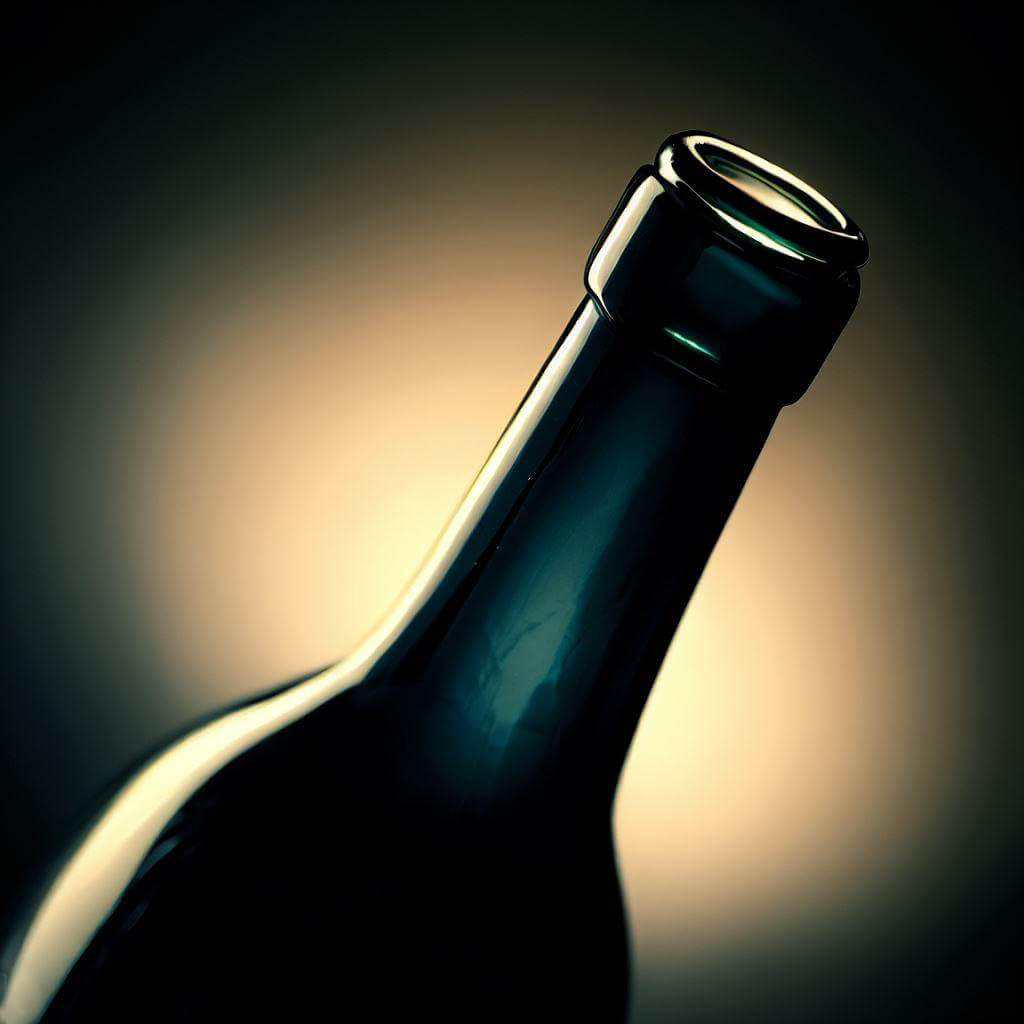
1. How packaging affects a consumer’s perception of a product
Packaging serves as the first point of contact between the consumer and the product, and it plays a significant role in shaping their perception of the brand. A well-designed custom bottle can evoke curiosity, excitement, and even a sense of connection with the brand. As Ingcho’s artistic tequila bottles demonstrate, custom designs can transform a simple bottle into a work of art, making the product truly memorable.
2. The role of custom bottle designs in conveying a brand’s identity and message
Custom bottle designs allow brands to communicate their unique identity and message effectively. For example, the tequila bottle with an agave plant inside showcases the product’s origin and natural ingredients, while the tequila bottle with a dragon design adds a touch of mystique and intrigue.
Ⅲ. The creative process behind custom bottle design
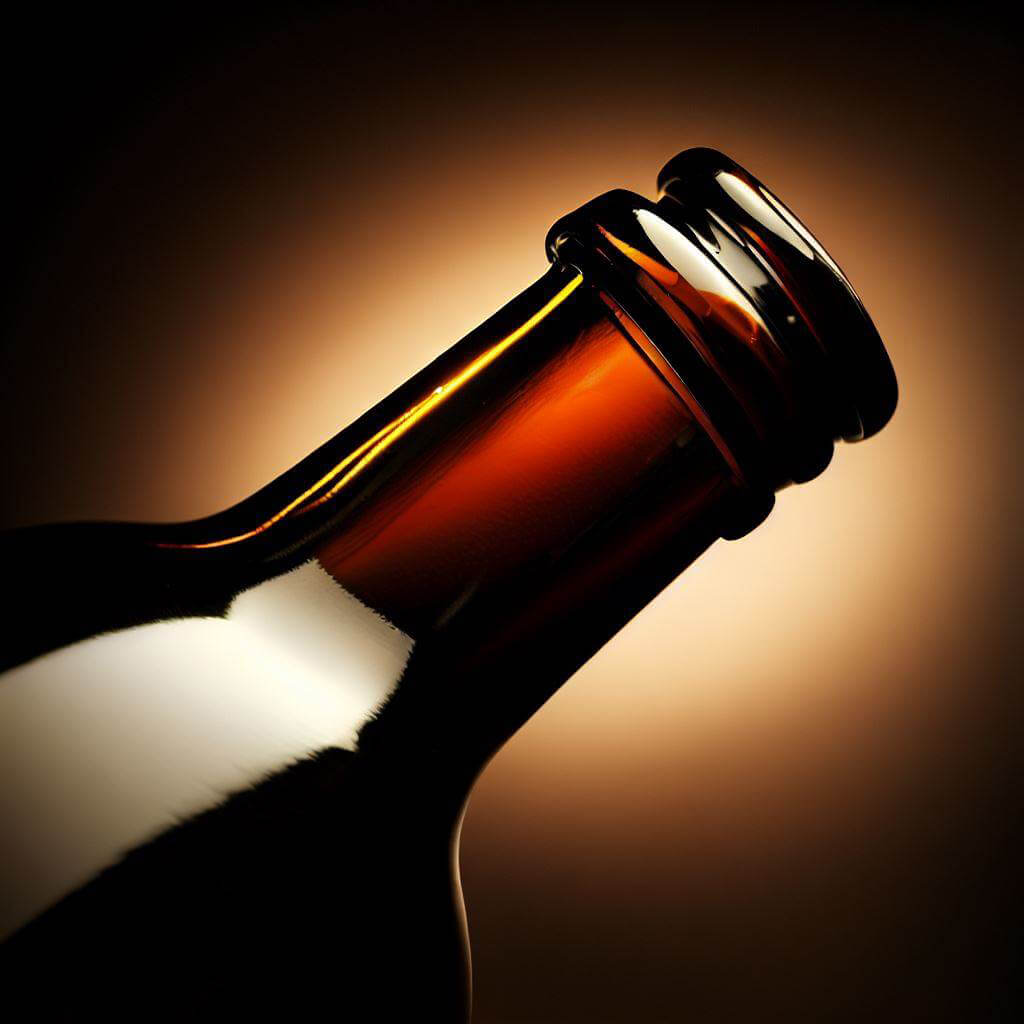
1. Working with a design team or agency
Collaborating with a professional design team or agency is essential for creating a successful custom bottle design. These experts can help businesses develop a design concept that aligns with their brand identity and marketing strategy, as seen in the evolution of tequila bottles.
2. Factors to consider
When creating a custom bottle design, it’s important to consider the target audience, brand values, and product type. For example, a luxury brand may opt for an elegant and sophisticated design, while an eco-friendly brand may focus on sustainable materials and minimalistic aesthetics.
3. Ensuring alignment with the brand’s overall marketing strategy
A custom bottle design must be consistent with the brand’s overall marketing strategy, as seen in Ingcho’s art of tequila bottle design. This ensures that the design reinforces the brand message and identity, creating a cohesive customer experience.
Ⅳ. Key elements of successful custom bottle designs
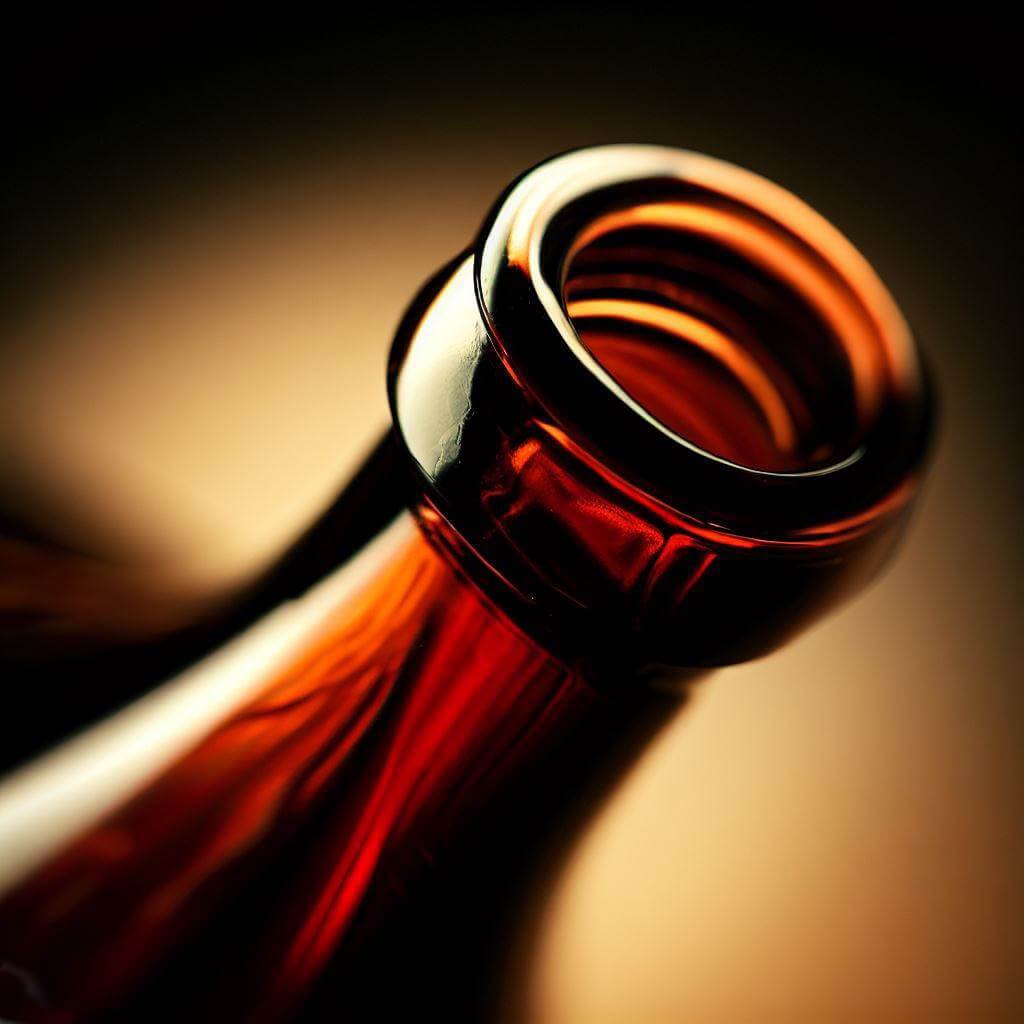
1. Aesthetics
Aesthetics play a crucial role in the success of a custom bottle design. Elements such as color, shape, and typography can convey a brand’s personality and make a lasting impression on consumers, as seen in the tequila bottle with a skull design.
2. Functionality
A successful custom bottle design should be functional and easy to use. Eco-friendly materials and innovative design features can enhance the user experience while also showcasing the brand’s
commitment to sustainability. For example, Ingcho’s glass bottles are not only visually stunning but also crafted from high-quality materials that ensure durability and ease of use.
3. Emotional appeal
Creating an emotional connection with the customer is vital for a successful custom bottle design. This can be achieved through storytelling and incorporating elements that resonate with the target audience. The tequila bottle with a flower design, for instance, evokes a sense of beauty and elegance, appealing to consumers who appreciate art and nature.
Ⅴ. Case studies of brands with successful custom bottle designs
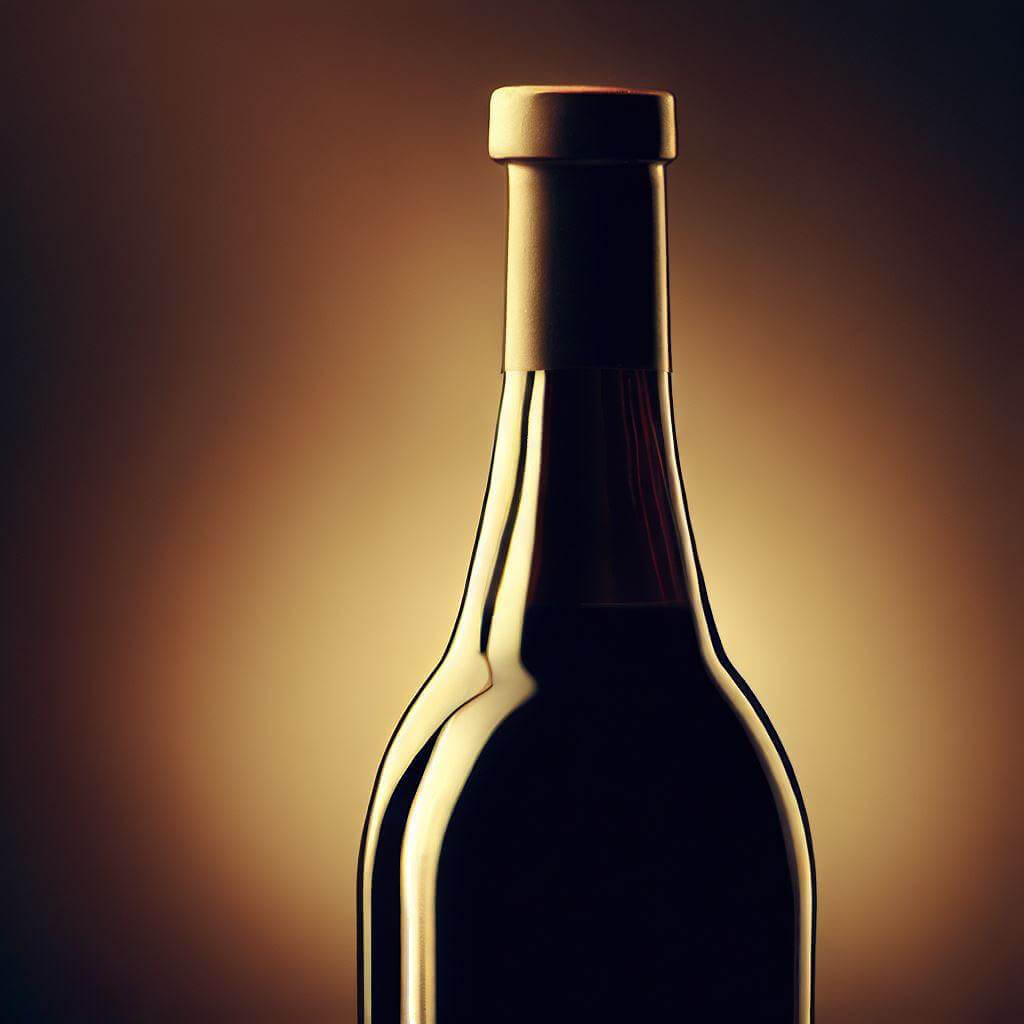
1. Highlight specific examples
Several brands have effectively utilized custom bottle designs to enhance their brand personality and market presence. Ingcho’s behind-the-scenes look at tequila bottle manufacturing showcases the intricate process and attention to detail that goes into creating these unique and visually appealing bottles.
2. Discuss the design elements that contributed to their success
The success of these brands can be attributed to a combination of aesthetic, functional, and emotional design elements that resonate with their target audience. By carefully considering these factors, businesses can create custom bottle designs that effectively convey their brand personality and forge a stronger connection with their customers.
Ⅵ. Challenges and potential drawbacks of custom bottle designs
1. Increased costs associated with custom design and production
Custom bottle designs often come with higher production costs, as the creation of unique molds and the use of specialized materials can be more expensive than traditional packaging solutions. However, the potential benefits of increased brand recognition and customer loyalty often outweigh these additional costs.
2. Balancing creativity with practicality and functionality
While it’s important to create visually stunning custom bottle designs, brands must also ensure that their designs are practical and functional. This may require a delicate balance between creativity and usability, as seen in the various shapes of Ingcho’s glass bottles.
3. Potential negative environmental impacts of custom packaging materials
Custom bottle designs can sometimes result in increased environmental impacts, particularly if they involve the use of non-recyclable or non-sustainable materials. Brands must carefully consider the materials they use in their custom bottle designs and opt for eco-friendly alternatives whenever possible.
Ⅶ. Conclusion
A. Recap the importance of custom bottle designs in unleashing a brand’s personality
Custom bottle designs play a crucial role in helping businesses unleash their brand’s personality, allowing them to stand out in a crowded market and forge a stronger connection with their customers.
B. Emphasize the potential benefits of custom bottle designs
The potential benefits of custom bottle designs include increased brand recognition, customer loyalty, and a unique market presence that can help businesses differentiate themselves from competitors.
C. Address the challenges and potential drawbacks
While custom bottle designs may come with certain challenges and potential drawbacks, such as increased costs and environmental impacts, strategic planning and execution can help businesses successfully navigate these issues.
D. Call to action
Businesses should explore the potential of custom bottle designs to boost their brand’s personality and market presence. By carefully considering the design elements, materials, and overall marketing strategy, brands can create unique and memorable packaging that captures the essence of their brand and resonates with their target audience.
I. Introduction
A. Definition of luxury bottle shapes
Luxury bottle shapes are unique, visually appealing, and functional designs created for high-end products, such as perfumes, wines, spirits, and cosmetics. These bottle designs not only serve a practical purpose but also enhance the overall experience and perception of the product.
B. Importance of bottle design in the luxury market
In the luxury market, bottle design plays a crucial role in creating a sense of exclusivity and desirability for a product. The aesthetic appeal and functionality of a bottle can make a significant impact on consumer behavior and brand perception.
C. Elegance and functionality as essential factors in bottle design
Elegance and functionality are two essential factors in luxury bottle design. Elegance is important for creating visual appeal and a sense of luxury, while functionality ensures that the bottle is easy to use and meets practical needs.
D. Thesis statement
This essay will explore the ways in which luxury bottle shapes merge elegance and functionality, as well as the impact of these designs on consumer behavior and brand perception.
Ⅱ. Evolution of luxury bottle shapes
1. Historical overview of bottle designs
Bottle designs have evolved over time, with early examples made from materials such as clay, wood, and leather. The development of glassblowing techniques in the first century BCE marked a significant turning point, allowing for the creation of more intricate and visually appealing designs.
2. Advances in technology and materials
Over time, advances in technology and materials have led to the development of new and innovative bottle shapes. For example, the introduction of borosilicate glass allowed for the creation of more durable and heat-resistant bottles.
3. Influence of art and design movements
Throughout history, art and design movements have greatly influenced bottle shapes. For instance, the Art Nouveau movement in the late 19th and early 20th centuries led to the creation of intricate, nature-inspired designs.
4. The emergence of iconic luxury bottle shapes
Iconic luxury bottle shapes have emerged over time, becoming synonymous with certain brands and products. Examples include the iconic tequila bottles with intricate designs and unique shapes that reflect the spirit of the drink itself.
Ⅲ. The role of elegance in luxury bottle shapes
1. The importance of aesthetics in luxury products
Aesthetics play a crucial role in luxury products, as they create a sense of exclusivity and desirability. In bottle design, elegance is achieved through the use of unique shapes, materials, and embellishments that elevate the product’s visual appeal.
2. The role of visual appeal in creating a sense of exclusivity
Visual appeal is essential in creating a sense of exclusivity for luxury products. By designing bottles with unique shapes and intricate details, manufacturers can set their products apart from competitors and attract a discerning clientele.
3. Examples of elegant luxury bottle designs
Elegant luxury bottle designs can be found across various industries, including:
- a. Perfume bottles: Often featuring ornate, intricate designs, perfume bottles are designed to reflect the scent’s character and enhance the overall experience.
- b. Wine and spirits bottles: Luxury wine and spirits bottles often feature unique shapes and embellishments, such as the tequila bottle with a dragon or the skull-shaped tequila bottle, which add a sense of exclusivity and artistry to the product.
- c. Cosmetic and skincare bottles: High-end cosmetic and skincare products often come in elegantly designed bottles that not only showcase the product but also serve as a statement piece on a vanity or countertop.
4. Impact of elegant designs on consumer perception and behavior
Elegant bottle designs can significantly influence consumer perception and behavior. A beautifully designed bottle can create a sense of luxury, making consumers more likely to purchase the product and potentially become loyal customers.
Ⅳ. The role of functionality in luxury bottle shapes
1. The necessity of practicality in product design
While elegance is important in luxury bottle design, functionality should not be overlooked. A well-designed bottle should not only be visually appealing but also practical and easy to use.
2. Innovations in functional luxury bottle designs
Some examples of functional innovations in luxury bottle designs include:
- a. Ergonomic shapes: Bottles designed with ergonomic shapes are easier to hold and use, enhancing the overall user experience.
- b. Easy-to-use dispensers: Innovations such as airless pump dispensers and dropper bottles make it easier for users to access and apply the product.
- c. Eco-friendly materials and designs: Many luxury brands are now incorporating sustainable materials and designs into their bottle packaging, such as using recycled glass or incorporating refillable systems.
3. The balance between elegance and functionality
Striking the right balance between elegance and functionality is essential in luxury bottle design. A successful design combines both aspects, resulting in a product that is visually appealing while also meeting the practical needs of the consumer.
4. Impact of functional designs on consumer perception and behavior
Functional bottle designs can also influence consumer perception and behavior. A well-designed, practical bottle can enhance the overall user experience, making consumers more likely to continue using the product and develop brand loyalty.
Ⅴ. The impact of luxury bottle shapes on brand perception
1. The role of packaging in building brand identity
Packaging plays a crucial role in building brand identity, and luxury bottle shapes are no exception. Unique and memorable bottle designs can help establish a brand’s identity, setting it apart from competitors.
2. How elegant and functional bottle designs can enhance brand value
Elegant and functional bottle designs can enhance a brand’s value by creating a sense of luxury and exclusivity. These designs also contribute to a positive user experience, further reinforcing the brand’s image and appeal.
3. The influence of luxury bottle shapes on consumer loyalty
Luxury bottle shapes can play a significant role in fostering consumer loyalty. Consumers are more likely to remain loyal to a brand if they have positive associations with its packaging and overall design.
4. Examples of successful luxury brands with distinctive bottle designs
Several successful luxury brands have distinctive bottle designs that contribute to their brand identity and consumer appeal. For instance, the iconic tequila bottles with agave plants inside are not only visually stunning but also reflect the spirit’s origins and artisanal craftsmanship.
Ⅵ. Conclusion
A. Recap of main points
The evolution of luxury bottle shapes, the role of elegance and functionality in design, and the impact on consumer behavior and brand perception are all essential aspects to consider when examining luxury bottle design.
B. The importance of balancing elegance and functionality in luxury bottle designs
To create a successful luxury bottle design, it is crucial to strike the right balance between elegance and functionality. Both aspects contribute to the overall appeal and user experience of the product.
C. The potential for luxury bottle shapes to influence future trends in design and consumer behavior
Luxury bottle shapes have the potential to influence future trends in design and consumer behavior. As new materials and technologies become available, we can expect to see even more innovative and striking bottle designs that push the boundaries of both elegance and functionality.
D. Closing statement
Luxury bottle shapes are a testament to the ever-evolving world of design, where elegance and functionality seamlessly intertwine to create iconic products that captivate consumers and elevate brand perceptions. By understanding the importance of these design elements and their impact on consumer behavior and brand perception, we can better appreciate the artistry and craftsmanship behind the luxury bottle designs that grace our shelves and enhance our everyday experiences.
I. Introduction
A. Brief history of tequila and its importance in Mexican culture
Tequila, a renowned spirit with a rich history, has its roots deeply embedded in Mexican culture. Originating from the town of Tequila in Jalisco, Mexico, this spirit has been celebrated and cherished for centuries. The production of tequila dates back to the 16th century when Spanish conquistadors introduced the process of distillation to the native peoples of Mexico. Today, tequila has become an iconic symbol of Mexican heritage and pride, enjoyed by enthusiasts all over the world.
B. Role of the agave plant in tequila production
The key ingredient in tequila is the agave plant, specifically the Blue Weber Agave. Agave plants thrive in the arid and semi-arid regions of Mexico, with the Blue Weber Agave being predominantly found in Jalisco. The unique characteristics of the agave plant, such as its high sugar content and fibrous structure, make it ideal for the production of tequila. Once the agave plant reaches maturity, it is harvested and processed to create the flavorful spirit known as tequila.
C. Importance of understanding the different types of agave used for tequila
There are numerous species of agave, each with its own distinct characteristics and flavor profiles. Understanding the different types of agave used in tequila production is essential for appreciating the diverse range of flavors and qualities that tequila has to offer. It also allows tequila enthusiasts and producers to explore new possibilities in the world of tequila, leading to the creation of unique and innovative products.
D. Purpose of the essay
The purpose of this essay is to explore the various types of agave used in tequila production and their impacts on the final product. We will delve into the unique characteristics of each agave species and discuss their influence on the flavor profile and quality of tequila. Additionally, we will examine the importance of sustainability and conservation efforts in maintaining agave biodiversity and promoting responsible tequila production.
Ⅱ.Overview of the agave plant
1. General characteristics and growth conditions
Agave plants belong to the Asparagaceae family and are characterized by their succulent leaves and rosette growth pattern. These plants are native to the arid and semi-arid regions of Mexico and the southwestern United States. Agave plants have a unique growth cycle, taking between 6 and 30 years to reach maturity, depending on the species.
2. Different types of agave and their distribution in Mexico
There are over 200 species of agave, with the majority of them being native to Mexico. The most well-known species for tequila production is the Blue Weber Agave, which is predominantly found in the state of Jalisco. Other agave species, such as Espadín and Tobalá, are also used in the production of mezcal, a related spirit to tequila.
3. How agave is harvested and processed for tequila production
Agave harvesting is a labor-intensive process that requires skill and precision. Once the agave plant reaches maturity, the leaves are removed, and the heart of the plant, known as the piña, is extracted. The piñas are then cooked to convert their complex sugars into simple sugars, which are later fermented and distilled to create tequila.Here is an article detailing the process.
Ⅲ. Blue Weber Agave (Agave tequilana Weber var. azul)
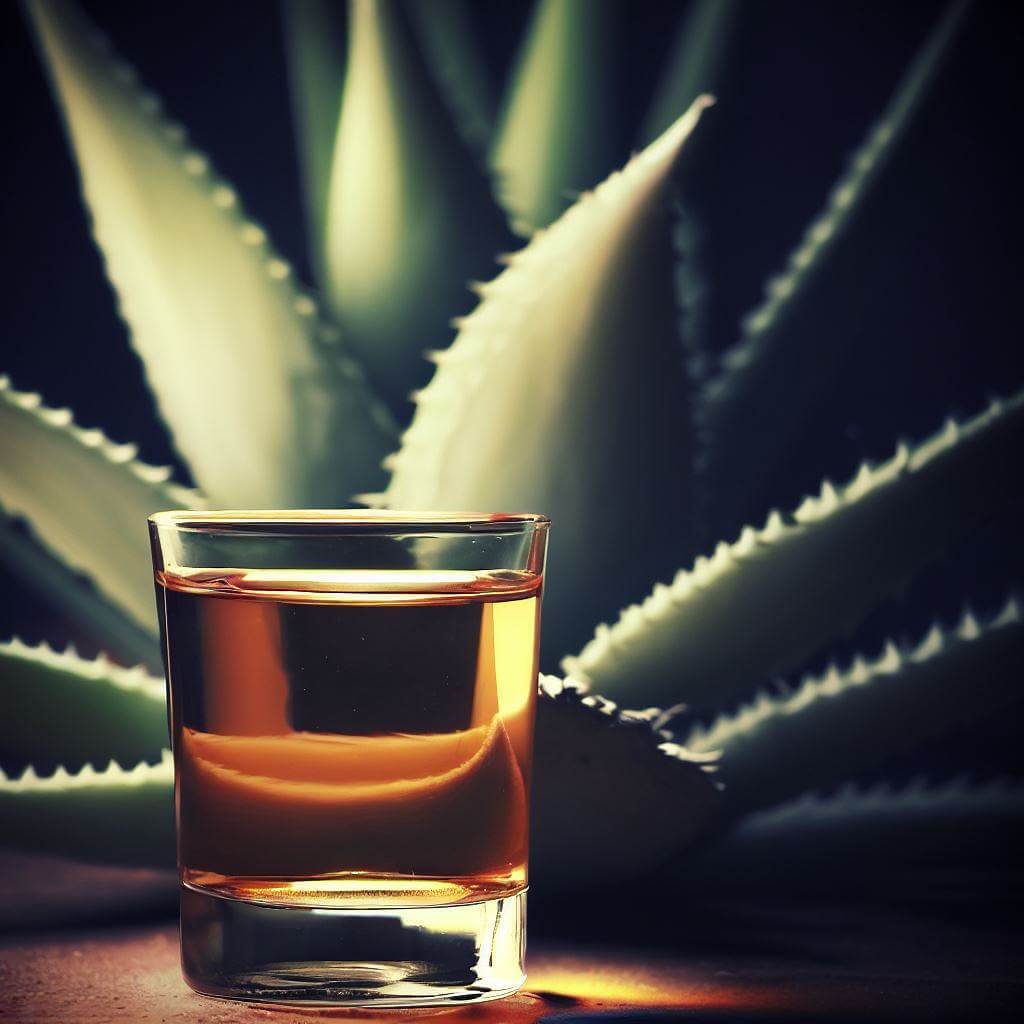
1. Description and unique characteristics
The Blue Weber Agave is the primary agave species used in tequila production. This species is characterized by its blue-green leaves and high sugar content, making it ideal for tequila production. The Blue Weber Agave is known for its ability to produce a smooth and refined tequila with a distinct flavor profile.
2. Geographical distribution and ideal growing conditions
The Blue Weber Agave is predominantly found in the state of Jalisco, Mexico, particularly in the regions surrounding the town of Tequila. The plant thrives in the volcanic soil and semi-arid climate of the area, which contributes to the unique flavor of tequila produced from this species.
3. Role in traditional tequila production
Tequila production is heavily reliant on the Blue Weber Agave, as it is the only agave species that can be legally used to produce tequila under Mexican law. This strict regulation ensures the consistency and quality of tequila, making it a sought-after spirit worldwide.
4. Impact on tequila flavor profile and quality
The Blue Weber Agave imparts a distinct flavor profile to tequila, characterized by its smooth, clean taste with hints of sweetness and earthiness. The unique characteristics of the Blue Weber Agave contribute to the overall quality of tequila, making it a favorite among connoisseurs and casual drinkers alike.
Ⅳ. Espadín Agave (Agave angustifolia)
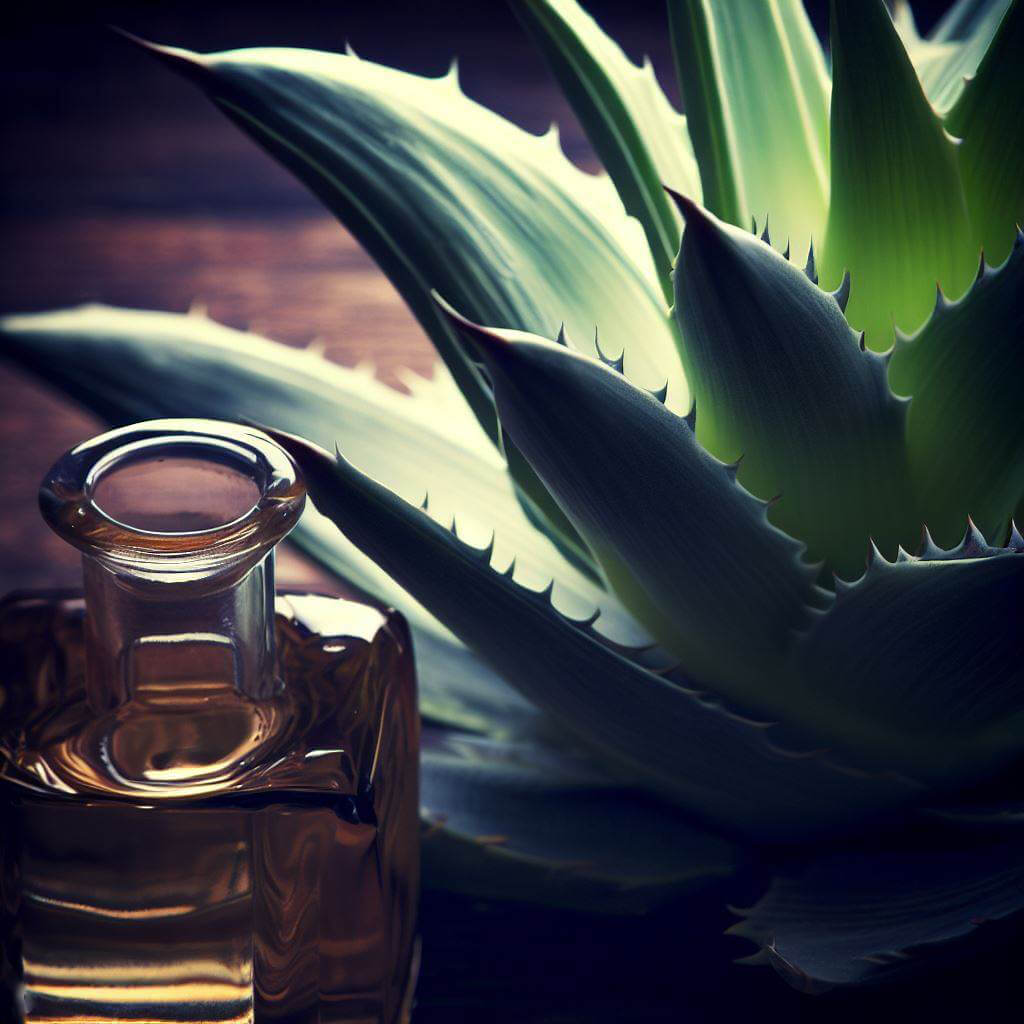
1. Description and unique characteristics
The Espadín Agave is another important agave species, primarily used in the production of mezcal, a related spirit to tequila. Espadín Agave is characterized by its robust growth and adaptability, as well as its high sugar content, which lends itself to the production of a flavorful spirit.
2. Geographical distribution and ideal growing conditions
Espadín Agave is native to the state of Oaxaca, Mexico, where it thrives in a variety of growing conditions. The adaptability of this agave species has led to its widespread cultivation throughout other regions of Mexico, making it the most commonly used agave species in mezcal production.
3. Role in mezcal production and its influence on tequila
While Espadín Agave is primarily used for mezcal production, its influence on tequila cannot be ignored. The production techniques and flavor profiles of mezcal often overlap with those of tequila, leading to a greater appreciation for the diversity and complexity of agave-based spirits.
4. Impact on tequila flavor profile and quality
Although Espadín Agave is not used in traditional tequila production, its influence on tequila’s flavor profile and quality is significant. Mezcals made from Espadín Agave often exhibit a smoky, earthy flavor profile that has become synonymous with agave-based spirits. This distinctive flavor has piqued the interest of tequila enthusiasts, leading to a growing appreciation for the diversity of agave species and their potential impact on tequila production.
Ⅴ. Tobalá Agave (Agave potatorum)
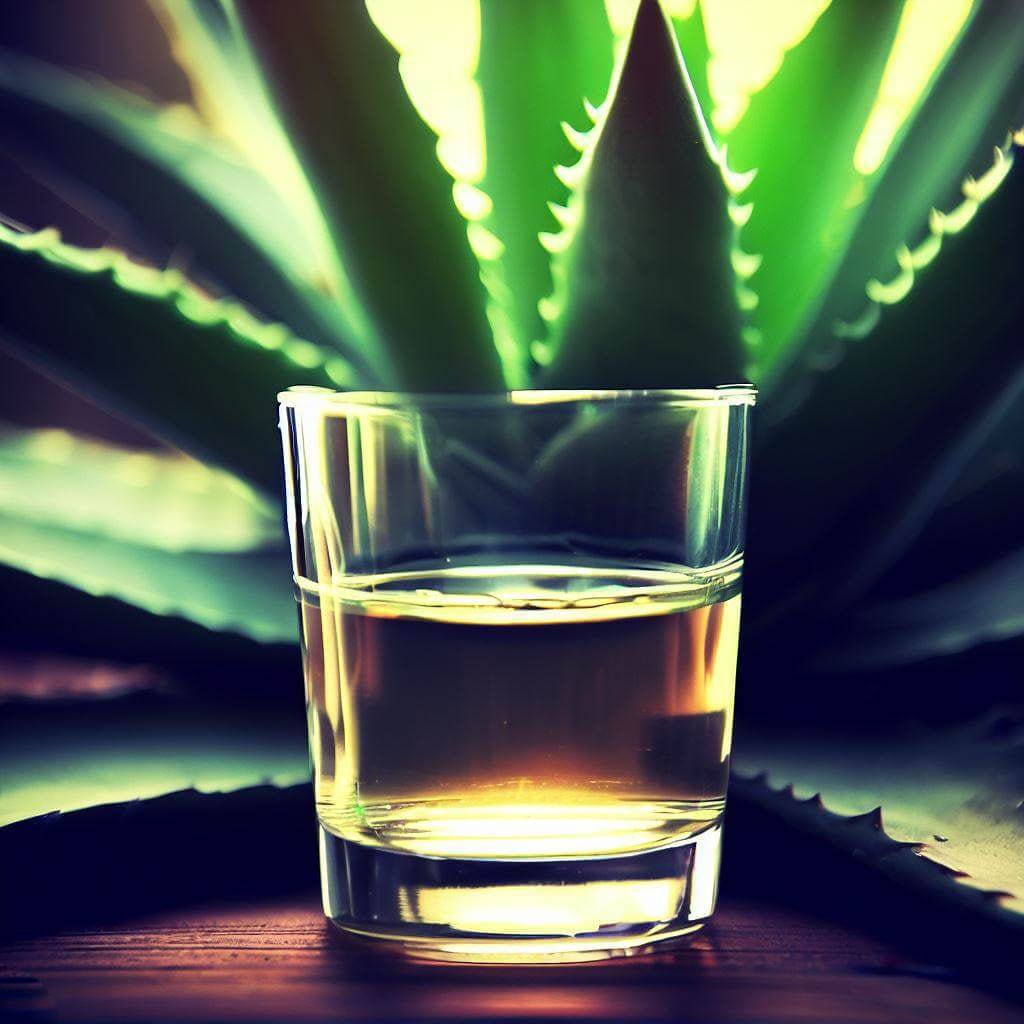
1. Description and unique characteristics
Tobalá Agave is a wild agave species known for its smaller size and unique flavor profile. Often used in artisanal mezcal production, Tobalá Agave is highly sought-after for its distinct flavors and rarity.
2. Geographical distribution and ideal growing conditions
Tobalá Agave is native to the high-altitude regions of Oaxaca and Puebla, Mexico. The plant thrives in the rocky, mountainous terrain of these regions, which contributes to its unique flavor profile and rarity.
3. Role in artisanal mezcal production and its influence on tequila
Tobalá Agave is primarily used in artisanal mezcal production, where its distinct flavor profile is highly prized by connoisseurs. The growing interest in Tobalá Agave and its unique characteristics has sparked curiosity among tequila enthusiasts, leading to a greater appreciation for the diversity of agave species and their potential in tequila production.
4. Impact on tequila flavor profile and quality
Though Tobalá Agave is not used in traditional tequila production, its unique flavor profile has caught the attention of those interested in exploring the possibilities of agave-based spirits. Mezcals made from Tobalá Agave often exhibit fruity, floral, and spicy notes, offering a distinct contrast to the flavors typically associated with tequila. The exploration of these diverse flavors has the potential to inspire new approaches to tequila production and expand the range of flavor profiles available to consumers.
Ⅵ. Other agave species
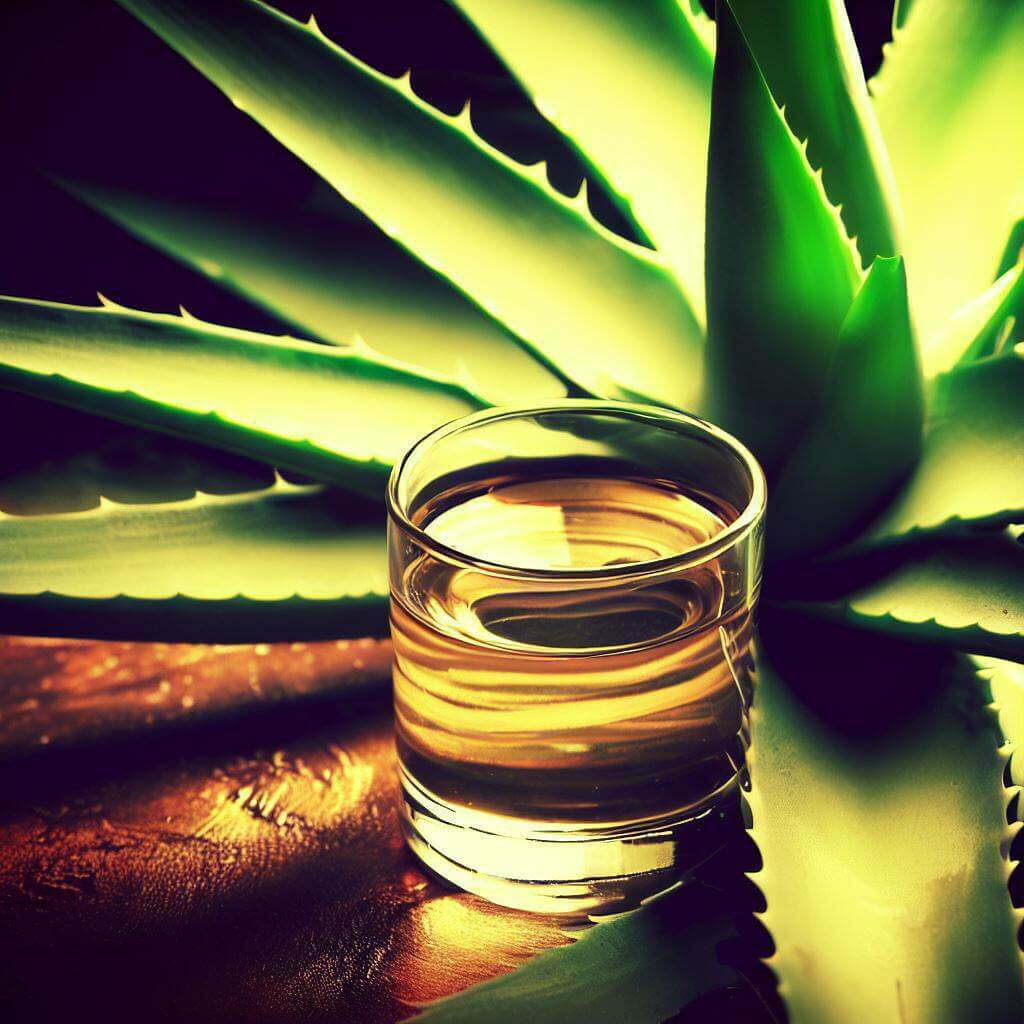
1. Brief descriptions and unique characteristics of lesser-known agave species
There are numerous other agave species with potential for use in tequila production, each with its own unique characteristics. Some of these lesser-known species include Agave americana, Agave salmiana, and Agave karwinskii, which can be found in various regions of Mexico and exhibit a range of flavors and growth habits.
2. Potential for use in tequila production
The exploration of these lesser-known agave species could lead to the development of new tequila varieties with unique flavor profiles and qualities. Experimentation with different agave species could push the boundaries of traditional tequila production and provide consumers with a broader range of agave-based spirits to enjoy.
3. Challenges and opportunities for incorporating these species into tequila production
Incorporating lesser-known agave species into tequila production presents both challenges and opportunities. While some species may prove difficult to cultivate or process, others may offer unique flavors and characteristics that could enhance the overall quality and diversity of tequila offerings. Embracing these challenges and opportunities could help push the tequila industry forward and encourage innovation in the production of agave-based spirits.
Ⅶ. Sustainability and conservation of agave species
1. Importance of preserving biodiversity within the agave genus
Preserving the biodiversity within the agave genus is critical for the long-term sustainability of tequila and mezcal production. A diverse gene pool within the agave family ensures the availability of a wide range of species that can be cultivated for different purposes and adapt to changing environmental conditions.
2. Threats to agave populations and their habitats
Agave populations face a variety of threats, including overharvesting, habitat destruction, and the spread of diseases and pests. These threats can lead to the decline of agave populations and negatively impact the production of tequila and mezcal.
3. Current efforts and strategies for sustainable agave cultivation and tequila production
There are ongoing efforts to promote sustainable agave cultivation and tequila production, including the implementation of best practices for agave harvesting, the promotion of organic farming methods, and the support of community-based conservation initiatives. These efforts aim to protect agave populations and ensure the long-term viability of tequila and mezcal production.
Ⅷ. Conclusion
A. Summary of key findings on the various types of agave and their impact on tequila production
This essay has explored the various types of agave used in tequila production, highlighting their unique characteristics, geographical distribution, and impact on tequila’s flavor profile and quality. Through an understanding of these different agave species, tequila enthusiasts and producers can appreciate the diversity and complexity of agave-based spirits.
B. Significance of understanding the diversity of agave species for tequila enthusiasts and producers
Understanding the diversity of agave species is crucial for tequila enthusiasts and producers, as it helps them to appreciate the range of flavors and qualities that can be achieved through the
use of different agave plants. This understanding also opens up opportunities for experimentation and innovation in tequila production, leading to the creation of new and unique agave-based spirits.
C. The importance of sustainable practices and conservation efforts in maintaining agave biodiversity
Sustainable practices and conservation efforts play a vital role in maintaining agave biodiversity and ensuring the long-term viability of tequila and mezcal production. By promoting sustainable agave cultivation, supporting community-based conservation initiatives, and addressing the threats facing agave populations, the tequila industry can contribute to the preservation of these valuable plants and their habitats.
D. Future research and exploration possibilities for discovering new agave species and their potential in tequila production
There is still much to learn about the diverse world of agave species and their potential in tequila production. Future research and exploration may uncover new agave species with unique characteristics that could be harnessed to create innovative and exciting tequila varieties. This ongoing quest for knowledge and discovery is crucial for pushing the boundaries of tequila production and enriching the experiences of tequila enthusiasts around the world.
In conclusion, understanding the various types of agave used in tequila production allows us to appreciate the complexity and diversity of this beloved spirit. By exploring different agave species, we can unlock new potential in tequila production, create innovative flavor profiles, and ensure the sustainability of the industry for generations to come. As tequila enthusiasts and producers continue to delve into the fascinating world of agave, they will undoubtedly uncover new and exciting possibilities that will shape the future of tequila.
For further reading, explore these informative articles about the fascinating world of tequila bottle manufacturing, the evolution of tequila bottles, and the art of tequila bottle design.
Agave tequila is a Mexican spirit that has captured people’s hearts and taste buds worldwide. The fiery liquor, often associated with late-night parties and margaritas, has a rich history and a complex production process that sets it apart from other alcoholic beverages.
In this article, we’ll delve into agave tequila, covering its essential info, history, production process, and how it differs from other types of liquor.
Essential Info
| Essential Info | Agave Tequila |
|---|---|
| Color | Ranges from clear to deep amber |
| Region | Designated regions in Mexico |
| Made From | Blue Weber Agave plant |
| Regulations | Governed by the CRT (Consejo Regulador del Tequila) |
| Alcohol by Volume (ABV) | Typically 35-55% |
When exploring the world of agave tequila, it’s essential to be aware of certain fundamental aspects that define this remarkable spirit. First and foremost, the color of tequila can range from crystal-clear to deep amber, depending on its aging process. Tequila is primarily produced in specific regions of Mexico, where the blue Weber agave plant thrives.
The agave plant is the sole ingredient used to make genuine tequila, with strict regulations in place to ensure its authenticity. These regulations, set by the Mexican government, dictate the specific regions and production methods required to label a spirit as tequila.
The alcohol by volume (ABV) of tequila typically falls between 35% and 55%, varying depending on the distillation process and the preferences of the tequila maker. Understanding these key elements will provide a solid foundation for further exploration into the captivating world of agave tequila.
The History of Tequila
Tequila has a rich and storied past that dates back to the 16th century, when Spanish conquistadors first arrived in Mexico. The indigenous people in the region were already producing a fermented beverage called “pulque” from the agave plant. Intrigued by this local drink, the Spaniards sought to improve it by applying their knowledge of distillation, ultimately creating the spirit we know today as tequila.
Named after the town of Tequila in the Mexican state of Jalisco, this agave spirit has become a symbol of Mexican culture and pride. Over the centuries, tequila production techniques have evolved, with many distilleries embracing modern technology while others continue to use traditional methods. The introduction of regulations and classifications in the 20th century helped solidify tequila’s reputation as a premium spirit, with distinct types and characteristics.
Today, tequila’s popularity has skyrocketed worldwide, with countless enthusiasts appreciating its unique flavors and the craftsmanship behind its production.
The Agave Used for the Well-Known Mexican Spirit
The blue Weber agave plant is the key ingredient in tequila production. This spiky plant, native to Mexico, takes around 8 to 12 years to reach maturity before it can be harvested. The heart of the plant, known as the piña, is used to make tequila.
How is Tequila Crafted
The production of tequila involves several steps. First, the piñas are harvested by skilled workers called jimadores, who remove the leaves to reveal the core. The piñas are then cooked to convert their complex carbohydrates into simple sugars. Traditional methods use stone or brick ovens, while modern techniques utilize autoclaves (large, high-pressure steam cookers).
Once cooked, the piñas are crushed to extract their juice, which is then mixed with water and yeast to start the fermentation process. The resulting liquid, known as mosto, contains around 5% to 7% alcohol.
The Fermentation Process
The fermentation process is a crucial step in creating tequila, as it converts the agave’s sugars into alcohol. It begins once the cooked agave is crushed, releasing its juices called “aguamiel.” These juices are mixed with water in fermentation tanks, and natural or cultivated yeast is introduced.
The yeast consumes the sugars, producing alcohol and various flavor compounds. Fermentation typically lasts between 48 to 96 hours, depending on the tequila producer’s preferences and the yeast strain used. Some producers opt for open-air fermentation, allowing wild yeast and bacteria to contribute to the fermentation process, resulting in unique and complex flavor profiles.
The fermentation process greatly influences the final tequila’s taste, as different yeast strains and fermentation conditions can create distinct flavor compounds. It is through this delicate and intricate process that agave tequila’s signature flavors come to life.
How does Tequila Differ from Other Types of Liquor?
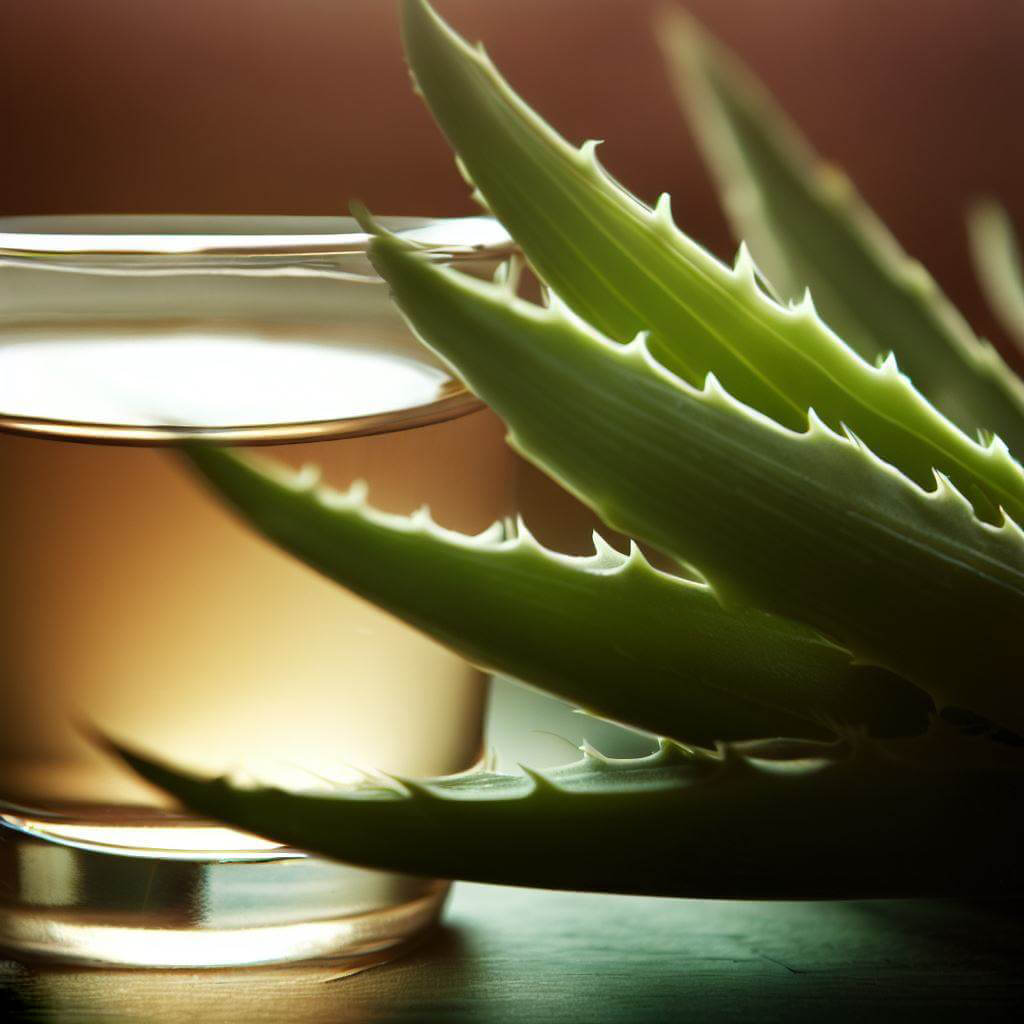
Tequila distinguishes itself from other liquors in several ways. Firstly, it can only be produced from the blue Weber agave plant, which imparts a unique flavor profile. Secondly, tequila is exclusively made in designated regions of Mexico, as defined by strict regulations. The production process also differs significantly, involving the meticulous harvesting and preparation of agave plants by skilled Jimadores. Additionally, the varying aging periods and distinct classifications of tequila contribute to its diverse flavor profiles, setting it apart from other spirits in the global liquor landscape.
| Feature | Agave Tequila | Other Liquor |
|---|---|---|
| Base Ingredient | Blue Weber Agave plant | Grains, fruits, potatoes, or other sugar sources |
| Production Region | Designated regions of Mexico | Produced globally |
| Distillation Process | Unique to tequila (cooking agave, fermentation, and distillation) | Varies depending on the spirit |
| Flavor Profile | Distinct agave flavor, influenced by aging and production process | Diverse, based on base ingredients and techniques |
| Aging Classifications | Blanco, Reposado, Añejo, and Extra Añejo | Varies depending on the spirit (e.g., whiskey, rum) |
Different Types of Tequila
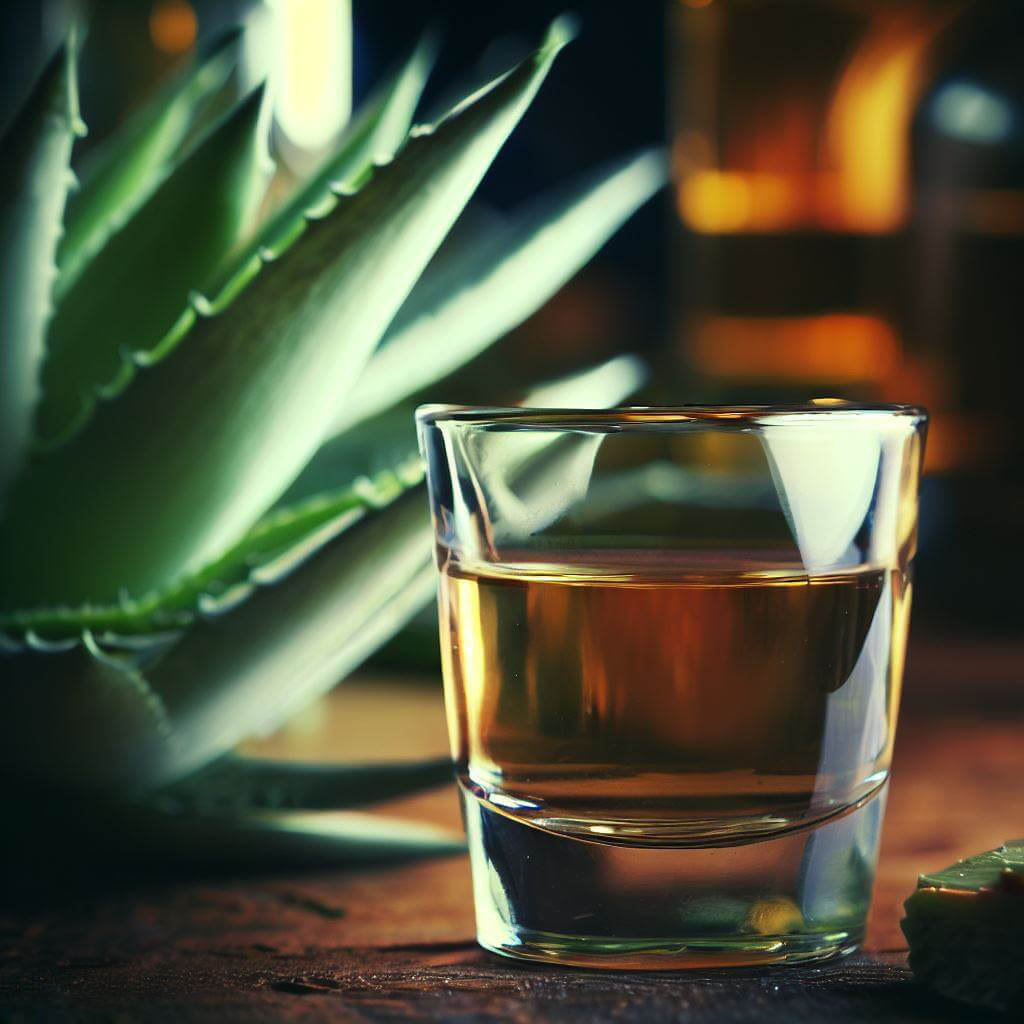
Tequila is a versatile spirit, available in several distinct types that cater to a wide range of palates. The classifications are primarily based on the aging process, which greatly influences the flavor profile of the tequila.
- Blanco or Silver Tequila: This type is bottled immediately after distillation or aged for a short period, typically up to two months. It offers a pure agave flavor and is ideal for cocktails.
- Reposado Tequila: Aged for two months to a year in oak barrels, Reposado tequila develops a more complex taste and golden hue.
- Añejo Tequila: This tequila is aged for one to three years in small oak barrels, resulting in a deeper color and richer flavor profile, often with notes of caramel and vanilla.
- Extra Añejo Tequila: The most luxurious of the tequila types, Extra Añejo is aged for over three years in oak barrels, imparting an even more sophisticated taste and a darker hue.
Each type of tequila offers a unique tasting experience, allowing aficionados to explore the spirit’s diverse characteristics and nuances.
Biggest Selling Brands
Some of the biggest-selling tequila brands include Jose Cuervo, Patrón, Sauza, and Don Julio. These companies have built a strong reputation for producing high-quality tequilas that cater to a wide range of tastes and budgets.
Other Key Brands
Apart from the big players, there are several smaller brands making waves in the tequila industry. For example, the Tequila Bottle Skull
and the Tequila Bottle with Dragon showcase unique bottle designs that make them collector’s items, while the Tequila Bottle with Flower and Tequila with Agave Plant in Bottle are examples of artistic craftsmanship combined with exceptional tequila.
In Conclusion
Agave tequila is a fascinating spirit with a rich history and an intricate production process that sets it apart from other liquors. Its unique flavor profile, derived from the blue Weber agave plant and the aging process, has made it a favorite among connoisseurs and casual drinkers alike.
Tequila’s popularity has led to the growth of both well-known brands and smaller producers creating innovative and eye-catching bottles like the Tequila Bottle Skull and the Tequila Bottle with Dragon. As our understanding and appreciation of this Mexican spirit continue to grow, we can look forward to more exciting developments and discoveries in the world of agave tequila.
Whether you’re a tequila aficionado or someone who has yet to experience this unique spirit, there’s no denying the allure and complexity of agave tequila. From its rich history to its diverse flavor profiles, tequila has something for everyone to enjoy. So, next time you raise a glass, take a moment to appreciate the craftsmanship and dedication that goes into creating this iconic Mexican spirit. Cheers!
FAQ:
What is the difference between Tequila and Mezcal?
Tequila is a type of mezcal, but it is made only from blue Weber agave, whereas mezcal can be made from various agave species. Additionally, the production process differs, with tequila often produced in industrial facilities, and mezcal typically following a more artisanal approach.
Which states are Tequila makers?
Tequila is primarily produced in the Mexican state of Jalisco, but it can also be made in designated regions of Nayarit, Guanajuato, Michoacán, and Tamaulipas.
What is the difference between tequila and agave tequila?
There is no difference; agave tequila simply emphasizes that tequila is made from the blue Weber agave plant.
Is Agave Tequila better?
“Better” is subjective, as personal preferences play a significant role in determining one’s appreciation for spirits. However, agave tequila is unique and cherished for its distinct flavors and cultural significance.
What does agave mean in tequila?
Agave refers to the plant from which tequila is made, specifically the blue Weber agave. The sugars from the agave plant are extracted, fermented, and distilled to produce tequila.
Is agave a real tequila?
Yes, agave is the primary ingredient in tequila, which is made from the blue Weber agave plant. Agave tequila is simply another way of referring to tequila.
Introduction
A Brief History of Tequila
Tequila, a quintessential Mexican spirit, has a long and storied history that dates back to the 16th century. Over the years, tequila has become an important aspect of Mexican culture and is celebrated worldwide for its unique taste and storied tradition.
The Agave Plant: The Soul of Tequila
The agave plant, specifically the blue agave, serves as the primary ingredient in the production of tequila. Tequila’s distinct taste and quality are largely influenced by the agave plant used in its production.
Tequila Bottles: A Symbol of Craftsmanship and Artistry
Tequila bottles play a crucial role in representing the spirit’s craftsmanship and artistry. These bottles come in various shapes, sizes, and designs, often reflecting the essence of the tequila they hold. Over time, tequila bottles have evolved, showcasing Mexico’s rich cultural heritage and artistic creativity.
The Purpose of the Essay
The purpose of this essay is to explore the process of creating agave tequila bottles, delving into:
- Raw materials used in production
- Glassblowing techniques employed in crafting the bottles
- The influence of Mexican culture and history on bottle design
- The decoration and finishing process for these bottles
- Quality control and packaging methods
The essay will also highlight the importance of maintaining traditional techniques in the production of agave tequila bottles.
A. Raw Materials
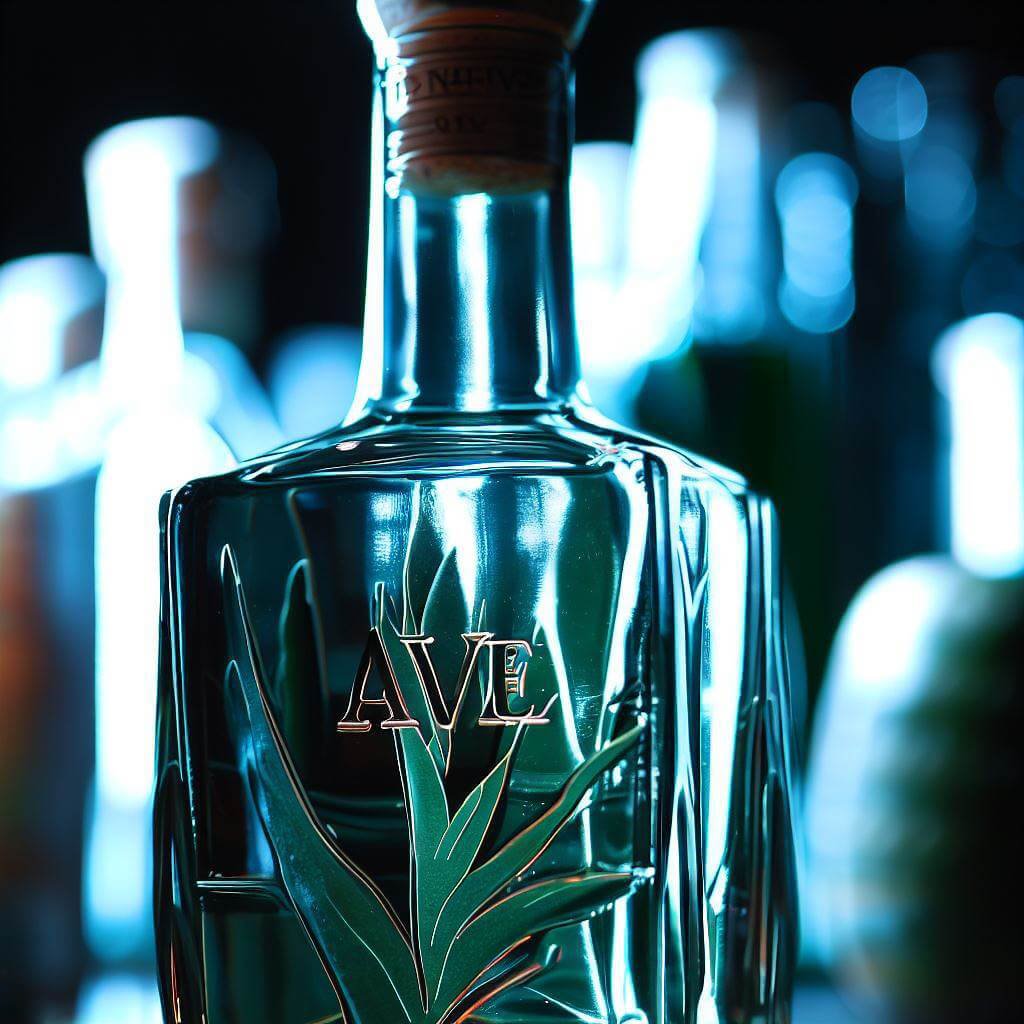
Types of Glass in Tequila Bottle Production
Agave tequila bottles are made from various types of glass, such as:
- Recycled glass
- Lead-free glass
- Blown glass
Each type of glass has its own benefits, with recycled glass being eco-friendly and lead-free glass ensuring safety for consumers. Blown glass allows for intricate and artistic designs in the tequila bottles.
Borosilicate glass is an excellent choice for blown glass, particularly for tequila bottles. Its thermal resistance, chemical resistance, durability, clarity, non-toxic nature, and versatility make it an ideal material for creating high-quality, artistic, and functional tequila bottles.
| Advantages of Borosilicate Glass as Blown Glass | Description |
|---|---|
| Thermal Resistance | High resistance to temperature changes, minimizing the risk of breakage due to thermal stress. |
| Chemical Resistance | High resistance to chemicals, making it ideal for preserving the quality of tequila. |
| Durability | Strong and durable, providing a long-lasting and resilient tequila bottle. |
| Clarity | High clarity, showcasing the color and quality of the tequila inside. |
| Non-Toxic | Lead-free and non-toxic, ensuring that the tequila remains safe for consumption. |
| Versatility | Suitable for a wide range of bottle shapes, sizes, and designs. |
Importance of High-Quality Materials
Using high-quality materials is essential to preserve the tequila’s taste and aroma, ensuring that the final product meets the expectations of consumers and collectors. High-quality materials also enhance the bottle’s aesthetic appeal.
Sourcing and Selecting Raw Materials
The process of sourcing and selecting raw materials involves working with trusted suppliers and carefully inspecting the materials to ensure they meet the required standards for tequila bottle production. This step is crucial for maintaining the quality of the final product.
B. Glassblowing Techniques
Traditional Mexican Glassblowing
Mexico has a rich history of glassblowing, with skilled artisans using traditional techniques to create beautiful and unique agave tequila bottles. These techniques emphasize the skills and expertise required to craft high-quality bottles.
Glassblowing Process
The glassblowing process involves several steps, including:
- Heating the glass until it reaches a molten state
- Gathering the molten glass on a blowpipe
- Blowing air into the glass to form the desired shape
- Using tools like marvers and shears to refine the shape and add details
These steps require
precision and expertise, showcasing the artistry involved in crafting agave tequila bottles.
Glassblowing Tools
Artisans use various tools during the glassblowing process, such as:
- Blowpipes: Hollow tubes used to gather and blow molten glass
- Marvers: Flat surfaces, typically made of steel or stone, used to shape and cool the glass
- Shears: Scissors-like tools used to trim and shape the glass while it’s still hot
These tools enable the artisan to create intricate designs and maintain the quality of the final product.
Significance of Traditional Glassblowing Techniques
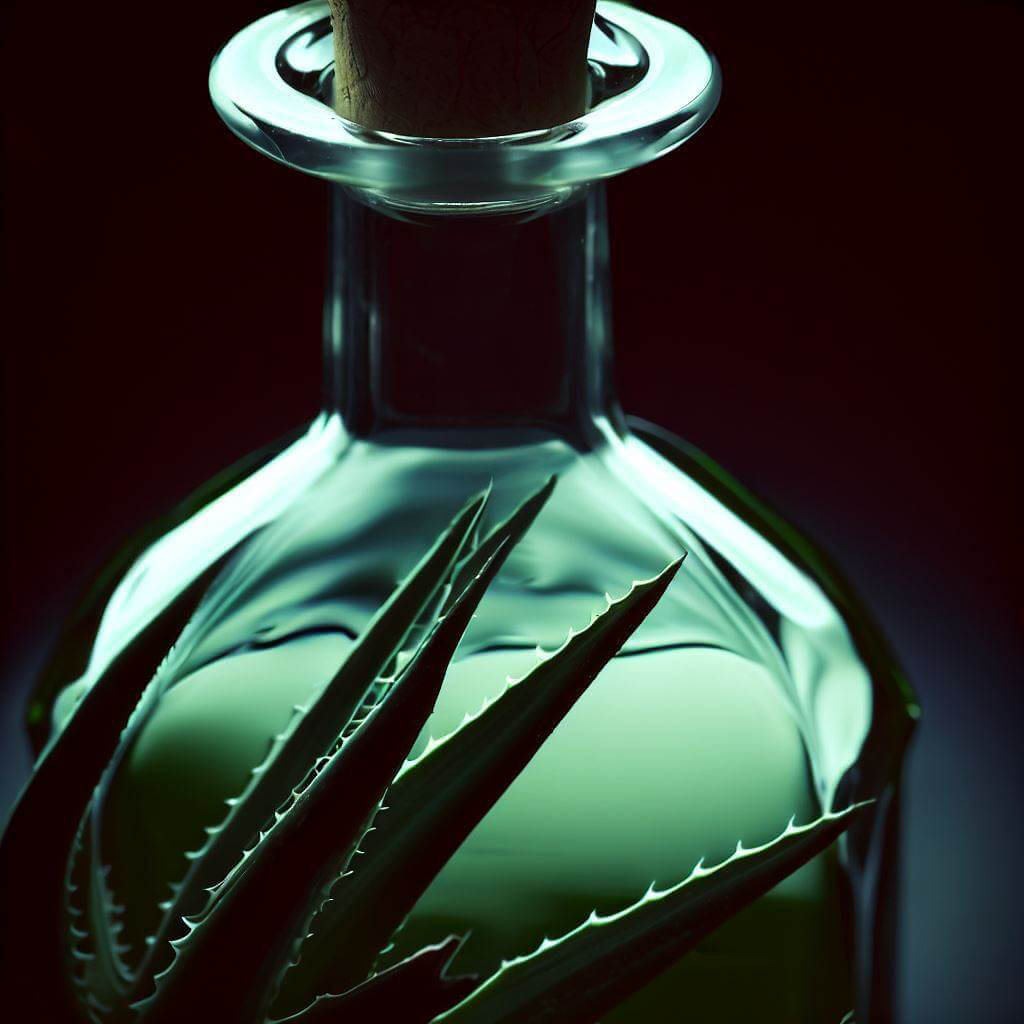
Maintaining traditional glassblowing techniques is essential for preserving the unique qualities and characteristics of agave tequila bottles. These techniques contribute to the artistic appeal and value of the bottles, ensuring they remain distinctive and highly sought after by collectors.
C. Bottle Design
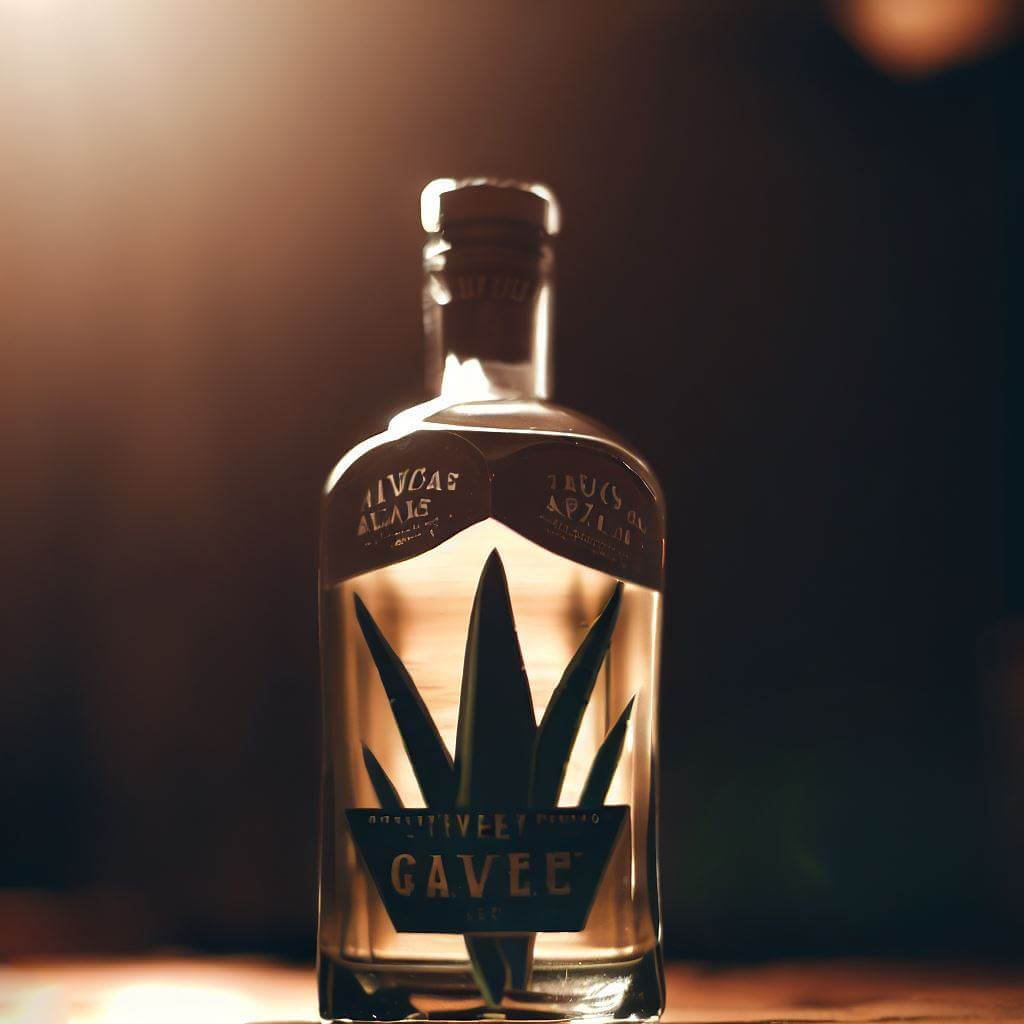
Shapes and Designs of Agave Tequila Bottles
Agave tequila bottles come in various shapes and designs, ranging from simple and functional to elaborate and artistic. Some examples of unique bottle designs include:
- Tequila bottle with agave plant inside
- Tequila bottle with dragon design
- Skull-shaped tequila bottle
- Tequila bottle with flower design
These designs showcase the creativity and skill of the artisans who craft them.
Influence of Mexican Culture and History
Mexican culture and history play a significant role in the design of tequila bottles. Motifs and symbolism inspired by Mexican traditions, folklore, and art can be found in many bottle designs, reflecting the spirit’s cultural heritage.
Famous Tequila Bottle Designs
Some famous tequila bottle designs have become iconic in the industry, capturing the attention of collectors and enthusiasts. These bottles often have interesting stories behind their creation, further adding to their appeal and value.
Role of Artists and Designers
Artists and designers play a crucial role in creating unique and memorable tequila bottles that reflect the spirit’s essence. Their vision and creativity shape the final product, ensuring that each bottle is a testament to the artistry and craftsmanship involved in its production.
D. Decoration and Finishing
Techniques for Decorating and Finishing Tequila Bottles
Various techniques are used to decorate and finish tequila bottles, adding to their artistic appeal and value. Some of these techniques include:
- Painting: Artists hand-paint intricate designs and motifs on the bottles, often using vibrant colors and traditional Mexican themes.
- Engraving: Artisans etch intricate patterns and designs onto the glass surface, creating a unique and elegant look.
- Labeling: High-quality labels are designed and applied to the bottles, providing essential information about the tequila and the brand, as well as adding to the bottle’s visual appeal.
Materials for Decoration
Different materials are used to decorate tequila bottles, including:
- Pigments: High-quality pigments are used to create vibrant and long-lasting colors for painted designs.
- Gold or silver leaf: Thin sheets of gold or silver are applied to the bottle’s surface, adding an element of luxury and elegance.
- Glass beads: Small glass beads are used to create intricate patterns and designs, showcasing the artisan’s skill and attention to detail.
Process of Applying Decorations
The process of applying decorations to tequila bottles requires skilled artisans who have a keen eye for detail and a steady hand. They carefully apply each material to the bottle, ensuring that the designs are consistent and of high quality.
Effect of Decoration and Finishing on Bottle Value and Appeal
The decoration and finishing of a tequila bottle can significantly impact its value and appeal to collectors. A well-decorated bottle not only showcases the craftsmanship involved but also adds to the tequila’s overall presentation, making it a prized addition to any collection.
E. Quality Control and Packaging
Quality Control Measures
To ensure the consistency and excellence of the final product, various quality control measures are in place throughout the production process. These measures include regular inspections, adherence to strict standards, and the use of high-quality materials.
Inspections and Certifications
Inspections and certifications play a crucial role in maintaining high standards for agave tequila bottles. Regular inspections help to identify any issues or inconsistencies in the production process, while certifications ensure that the final product meets the required standards for quality and safety.
Importance of Proper Packaging
Proper packaging is essential for preserving the tequila and protecting the bottle during transportation. High-quality packaging materials and designs are used to ensure that the tequila remains in optimal condition and the bottle remains undamaged.
Examples of Innovative and Sustainable Packaging Solutions
The tequila industry has embraced innovative and sustainable packaging solutions in recent years, aiming to reduce its environmental impact while still maintaining the quality and appeal of its products. Some examples of these solutions include the use of recycled materials, biodegradable packaging, and reusable containers.
Conclusion
In conclusion, the craftsmanship and artistry involved in creating agave tequila bottles are a testament to the skill and dedication of the artisans who produce them. By preserving traditional techniques and embracing the influence of Mexican culture and history, these bottles serve as a unique representation of the spirit and its heritage.
The future of tequila bottle production holds great potential for innovation and sustainability, as the industry seeks to balance the need for progress with the preservation of art and tradition. By continuing to prioritize quality, craftsmanship, and cultural heritage, agave tequila bottles will remain a cherished symbol of Mexico’s rich history and the exquisite spirit they contain.

Imagine this: you’re hosting a classy dinner party, and after a delicious meal, it’s time to break out the whiskey. You reach for the cupboard, and instead of pulling out a simple bottle, you unveil a beautiful, intricately designed whiskey decanter. Your guests’ eyes widen, and the conversation grows more animated. What’s the secret behind this transformation? It’s simple: the whiskey decanter.
Whiskey decanters have been a part of whiskey culture for centuries, serving as elegant vessels for storing and serving the cherished spirit. In this essay, we’ll explore the origins of whiskey decanters, their primary function, and the aesthetic and symbolic appeal they bring to any gathering. We’ll also delve into the debate surrounding decanting and aeration, offer guidance on choosing the right decanter, and discuss proper usage and maintenance.
The Origins and Evolution of Whiskey Decanters

The use of decanters dates back to ancient Rome, where they were initially made of glass or pottery. They served as vessels to store and serve wine, removing sediment and allowing the liquid to breathe. With time, decanters evolved, and their use spread across Europe. By the 17th century, decanters became more refined and elegant, with the introduction of lead crystal decanters in England.
As whiskey gained popularity, enthusiasts began to appreciate the benefits of using decanters to store and serve their favorite spirits. Today, whiskey decanters come in various styles, materials, and sizes, such as the Glass Globe Decanter, the Globe Whiskey Decanter, and even the quirky AK 47 whiskey decanter. These decanters provide not only practicality but also an artistic statement.
The Primary Function of a Whiskey Decanter
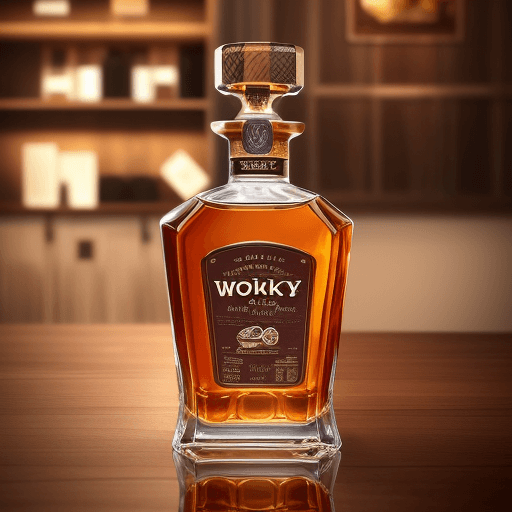
Whiskey decanters primarily serve as storage and serving vessels for whiskey. A well-crafted decanter, like the Globe Decanter and Glasses, can enhance the drinking experience by showcasing the whiskey’s color and allowing it to breathe before serving. Additionally, decanters preserve the quality of the whiskey by providing an airtight seal that prevents oxidation and maintains the whiskey’s flavors.
The Aesthetic and Symbolic Appeal of Whiskey Decanters
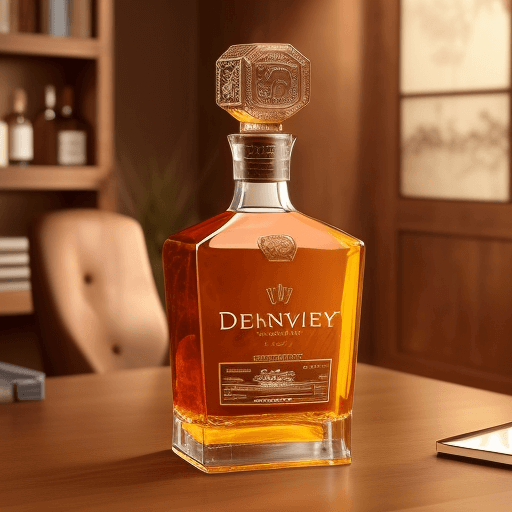
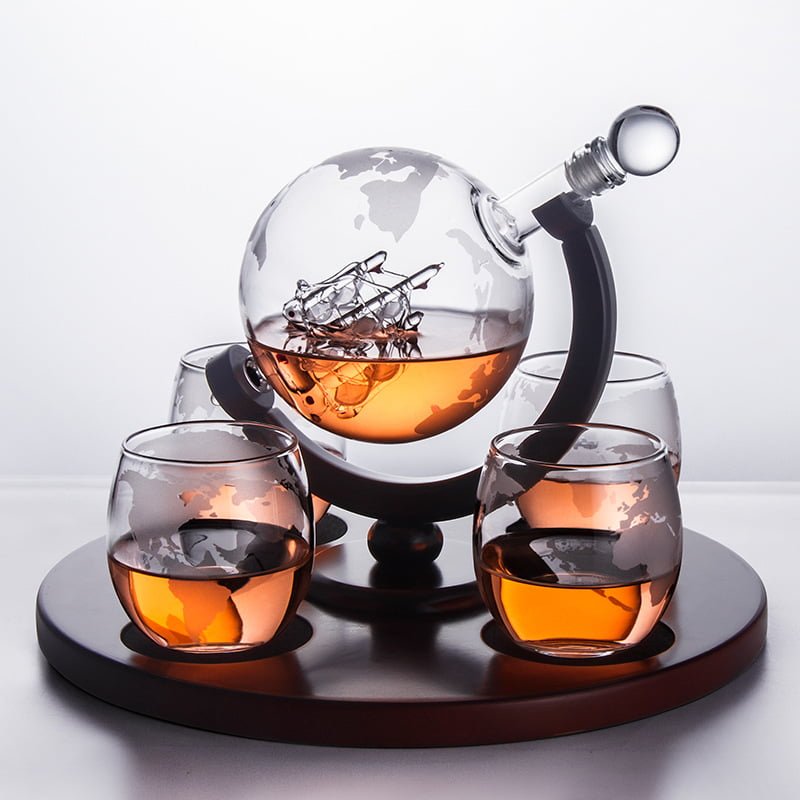
Whiskey decanters are more than just functional vessels; they are also works of art. Elegant designs, intricate details, and high-quality materials create a stunning visual impact, elevating the ambiance of any home bar, whiskey collection, or social event. A beautifully crafted decanter, like the Glass Globe Decanter, can serve as a centerpiece or conversation starter, reflecting the owner’s taste and appreciation for the finer things in life.
Decanting and Aeration: A Matter of Debate
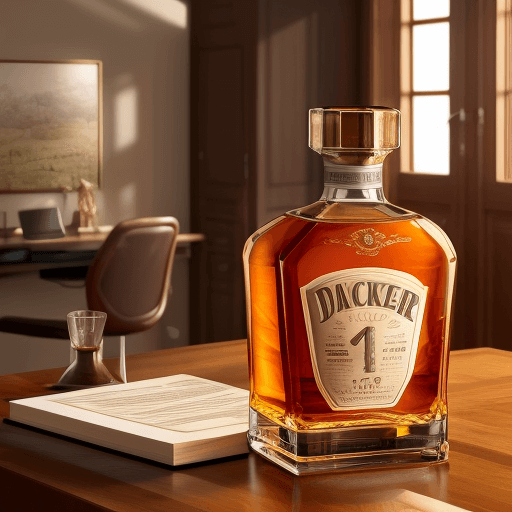
The benefits of decanting and aeration for whiskey are a subject of debate among aficionados. Some argue that decanting allows the whiskey to breathe, softening its flavors and enhancing its complexity. Others believe that whiskey does not require aeration and that decanting may alter the whiskey’s characteristics negatively.
While the jury is still out, it’s essential to consider your personal preferences when deciding whether to decant your whiskey. For some, the ritual of decanting adds an extra layer of enjoyment to the whiskey experience, while others may prefer to enjoy their whiskey straight from the bottle. Ultimately, the choice is yours.
Choosing the Right Whiskey Decanter: Material, Size, and Style
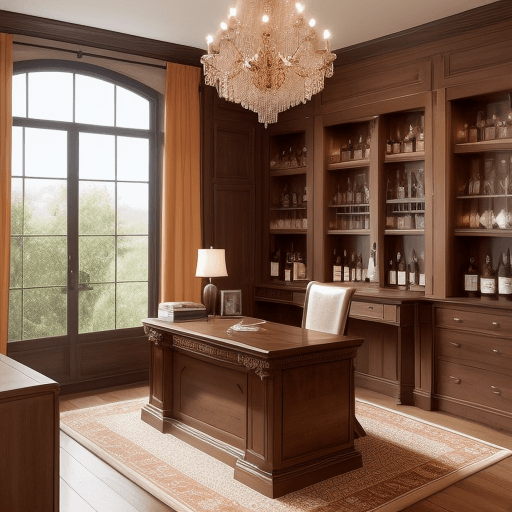
When selecting the perfect whiskey decanter, it’s essential to consider factors such as material, size, and style. Glass and crystal are the most common materials, with crystal offering a more brilliant sparkle and refractive quality. However, concerns about lead content in traditional crystal decanters have led to the development of lead-free crystal options.
Borosilicate decanter different from other glass decanter and crystal decanter:
| Feature | Borosilicate Decanter | Other Glass Decanter | Crystal Decanter |
|---|---|---|---|
| Durability | Highly resistant to thermal shock | Less resistant to thermal shock | Less resistant to thermal shock |
| Chemical Resistance | High resistance to chemicals | Moderate resistance to chemicals | Moderate resistance to chemicals |
| Heat Resistance | Can withstand high temperatures | Less able to withstand high temperatures | Less able to withstand high temperatures |
| Clarity | Exceptional clarity | Clarity varies depending on the glass | Brilliant sparkle and refractive quality |
| Weight | Generally lighter than traditional glass | Often heavier than borosilicate glass | Generally heavier than other glass |
| Price | May be more expensive | Generally less expensive | Typically more expensive |
| Lead Content | Lead-free | Lead-free | Traditional crystal may contain lead |
Size is another crucial factor to consider. A decanter should be large enough to accommodate a standard bottle of whiskey (750ml) but not so large that it leaves too much air inside when partially filled. This could lead to oxidation and changes in the whiskey’s flavor.
Style is a matter of personal taste. Whether you prefer a classic design like the Globe Whiskey Decanter or something more unique like the AK 47 whiskey decanter, choose a decanter that reflects your personality and complements your home bar or whiskey collection.
Proper Usage and Maintenance of Whiskey Decanters
To ensure you get the most out of your whiskey decanter, it’s essential to know how to use and care for it properly. Here are some tips for maintaining your decanter:
- Cleaning: Before using your decanter for the first time, clean it thoroughly with warm, soapy water. Rinse well to remove any soap residue, and let it air dry upside down on a drying rack.
- Filling: When filling your decanter, use a funnel to prevent spills and ensure a clean pour. Fill the decanter no more than two-thirds full to allow the whiskey to breathe and to minimize the risk of oxidation.
- Storage: Store your decanter in a cool, dark place away from direct sunlight or heat sources, which can affect the whiskey’s quality. Ensure the decanter’s stopper is airtight to prevent evaporation and maintain the whiskey’s flavors.
- Serving: When serving whiskey from your decanter, pour slowly and steadily to prevent splashing and minimize aeration. Use clean, dry glasses to enjoy the full range of flavors in your whiskey.
- Cleaning After Use: After you’ve finished enjoying your whiskey, rinse the decanter with warm water and let it air dry. If residue remains, use a decanter cleaning brush or beads to gently remove any build-up.
In conclusion, whiskey decanters are elegant vessels that not only store and serve whiskey but also add an element of sophistication to your home bar, whiskey collection, or social event. While the debate over decanting and aeration continues, it’s essential to find a decanter that suits your personal taste and preferences. By understanding the origins and evolution of whiskey decanters, their primary function, and the aesthetic and symbolic appeal they offer, you’ll be well-equipped to choose the perfect decanter for your needs and enjoy the enhanced whiskey experience it provides.
FAQ:
How long can you leave whiskey in a decanter?
Whiskey can be stored in a decanter for several months to a few years without significant changes in flavor, as long as the decanter has an airtight seal and is stored in a cool, dark place away from direct sunlight or heat sources.
What is the purpose of a decanter?
The primary purpose of a decanter is to store and serve spirits, such as whiskey or wine, in an elegant and visually appealing way. Decanters may also enhance the drinking experience by allowing the liquid to breathe and removing any sediment present.
Is it OK to leave whiskey in a decanter?
Yes, it is generally safe to leave whiskey in a decanter, provided that the decanter has an airtight seal, and it is stored properly in a cool, dark place. Ensure that the decanter is made of lead-free materials to avoid any potential health risks.
What are the benefits of a decanter?
Decanters offer several benefits, including enhancing the visual presentation of spirits, allowing the liquid to breathe before serving, and serving as a conversation piece or focal point for home bars or social events. They can also preserve the quality of the spirits by providing an airtight seal.
A 750 ml bottle is a common retail format for tequila, but bottle sizes vary by market, channel, and brand. This guide compares nine capacities from 50 ml to 4.5 L. Fluid-ounce and shot figures are approximate; a 1.5 US fl oz pour is used only for planning, not as a universal serving rule.
Tequila Bottle Size Comparison
| Nominal capacity | Approx. US fl oz | Approx. 1.5 US fl oz shots | Common description | Typical use |
|---|---|---|---|---|
| 50 ml | ≈ 1.69 | ≈ 1.13 | Mini or nip | Sampling, gift sets, hospitality |
| 200 ml | ≈ 6.76 | ≈ 4.51 | Small format; “half-pint” is sometimes used informally | Tasting sets, limited packs, smaller purchases |
| 375 ml | ≈ 12.68 | ≈ 8.45 | Half-size; sometimes called a pint | Smaller retail packs and gifts |
| 750 ml | ≈ 25.36 | ≈ 16.91 | Common retail bottle; “fifth” in US usage | Retail, home bars, and on-premise service |
| 1 L | ≈ 33.81 | ≈ 22.54 | Liter bottle | On-premise, travel retail, and selected markets |
| 1.5 L | ≈ 50.72 | ≈ 33.81 | Large format; sometimes called a magnum | Events, display, and higher-volume service |
| 1.75 L | ≈ 59.17 | ≈ 39.45 | Often called a handle, especially when the bottle has a grip | Higher-volume retail and bar use |
| 3 L | ≈ 101.44 | ≈ 67.63 | Large or presentation format | Events, display, and collector editions |
| 4.5 L | ≈ 152.16 | ≈ 101.44 | Oversize presentation format | Display, special events, and collector editions |
Calculation note: 1 US fl oz equals approximately 29.57 ml. The shot column divides each capacity by 1.5 US fl oz (approximately 44.36 ml). It shows theoretical servings before overpour, residue, spillage, or other service loss. Bottle nicknames are informal and can vary by market; wine-format names such as “magnum” are not universal tequila standards.
What Each Tequila Bottle Size Is Used For
50 ml tequila bottles
A 50 ml mini contains about 1.69 US fl oz, or slightly more than one theoretical 1.5 fl oz pour. It is often used for samples, hotel minibars, gift assortments, and tasting packs. Label space, closure performance, and destination-market rules still need review; “mini” describes a format, not a single worldwide specification.
200 ml tequila bottles
The 200 ml format offers about 6.76 US fl oz. It can bridge the gap between a miniature and a larger retail bottle, making it useful for trial packs or limited presentations. “Half-pint” is sometimes used conversationally, but 200 ml is not one-half of a US pint, so the metric capacity should remain the primary specification.
375 ml tequila bottles
A 375 ml bottle is exactly half the liquid capacity of a 750 ml bottle. It can suit smaller purchases, paired gift sets, or premium presentations. Although it may be called a “pint” in some retail contexts, 375 ml is about 12.68 US fl oz rather than a full 16 US fl oz pint.
750 ml tequila bottles
The 750 ml bottle is widely encountered in retail and bar settings and is often called a “fifth” in the United States. It contains about 25.36 US fl oz, equal to approximately 16.91 theoretical 1.5 fl oz pours. Availability and permitted pack sizes can differ by destination, so brands should confirm the requirements for each market rather than treating 750 ml as a global rule.

1 L tequila bottles
A 1 L bottle contains about 33.81 US fl oz, or approximately 22.54 theoretical 1.5 fl oz pours. The format may be chosen for on-premise service, travel retail, or markets where liter packs are familiar. It holds one-third more liquid than a 750 ml bottle, but its outer dimensions and filled weight depend on the bottle design.
1.5 L tequila bottles
A 1.5 L bottle holds the same liquid volume as two 750 ml bottles. “Magnum” is sometimes borrowed from wine terminology, but the label is not a universal tequila convention. For a bottle this size, grip, center of mass, pouring control, closure retention, glass distribution, and packed handling deserve as much attention as appearance.
1.75 L tequila bottles
The 1.75 L format is often called a “handle” in US conversation, particularly when a molded or applied grip is present. It holds about 59.17 US fl oz, equivalent to approximately 39.45 theoretical 1.5 fl oz pours. A handle is a design feature, however, so not every 1.75 L bottle literally has one.
3 L and 4.5 L tequila bottles
Three-liter and 4.5-liter bottles are large presentation formats rather than everyday shelf assumptions. They may be considered for events, displays, or collector releases, subject to filling-line capability, handling, packaging, and destination-market review. Terms such as “Jeroboam” or “Rehoboam” come from wine-size traditions and should not be presented as universal names for tequila bottles. Buyers interested in display formats may also find the guide to building a tequila bottle collection useful.
How Many Ounces and Shots Are in a Tequila Bottle?
Convert milliliters to US fluid ounces
Divide the milliliter capacity by 29.5735 to estimate US fluid ounces. For example, 750 ÷ 29.5735 is approximately 25.36 US fl oz. US fluid ounces and Imperial fluid ounces are different units, so the intended system should always be stated.
Estimate 1.5 US fl oz pours
Divide the bottle’s US fluid-ounce capacity by 1.5. A 750 ml bottle therefore contains approximately 16.91 theoretical pours, while a 1.75 L bottle contains approximately 39.45. Actual service yield depends on the chosen pour size, measuring equipment, staff practice, residue, and spillage. A legal or customary serving is not identical in every market.
Capacity Is Not the Same as Bottle Dimensions
Milliliters describe the nominal liquid fill. They do not tell you a bottle’s height, maximum diameter, shoulder profile, base thickness, empty weight, or closure height. Two 750 ml bottles can carry the same amount of tequila while fitting completely different shelves, filling equipment, cartons, and pallets.
Nominal fill capacity and brimful capacity
The specified fill volume normally leaves planned headspace below the closure. Brimful capacity is the amount a container holds when filled to the top, so it is greater than the nominal fill. Drawings and samples should identify the measurement method, fill point, and tolerances instead of using “750 ml bottle” as the entire dimensional specification.
Measure the complete bottle system
- Overall height with the intended closure fitted
- Maximum body and shoulder diameter
- Neck finish, closure, liner, and tamper-evident components
- Label panel, embossing, coating, printing, and decorative projections
- Empty container weight and estimated filled unit weight
- Stability, grip, pour angle, and center of mass
Plan the outer case and pallet
Outer packaging must be designed around the finished bottle, not liquid capacity alone. Case count, bottle orientation, dividers, cushioning, closure clearance, gross case weight, pallet pattern, and distribution testing all affect pack-out. A sculptural 750 ml bottle may require more space and protection than a simpler bottle with the same nominal capacity.
Choosing a Bottle Size by Channel
- Samples and gift sets: 50 ml and other small formats reduce the amount of liquid per unit, but they also create tight label and closure constraints.
- Core retail: 375 ml, 750 ml, and 1 L formats can address different price points and occasions, depending on local rules and buyer expectations.
- Bars and restaurants: capacity must be considered alongside grip, pour control, speed-rail fit, inventory practice, and staff handling.
- Travel retail: pack size, security, luggage, and destination rules should be confirmed with the relevant channel partner.
- Gifts, events, and display: large or sculptural bottles can create visual impact, but they also increase handling and packaging demands.
For examples of current bottle formats, browse the tequila bottle collection. Product examples are design references; they do not establish a universal capacity, material, or market requirement.
Bottle Shape, Glass Material, and Manufacturability
A bottle’s nominal capacity does not determine its glass composition. Many mass-produced beverage bottles use established soda-lime container-glass systems, while hand-worked or sculptural concepts may use borosilicate or another process-compatible glass. The tequila category, bottle price, or visual clarity alone does not prove that a bottle is borosilicate.
Material should be selected and documented against the design, manufacturing process, filling conditions, closure system, decoration, transport route, and required testing. Claims about strength, thermal performance, food contact, or chemical resistance should be tied to a defined material specification and test method rather than generalized to every bottle.

Shape development must also account for glass distribution, annealing, dimensional tolerances, cleanability, decoration access, and the way the filled bottle is handled. The overview of how decorative agave tequila bottles are made shows why a concept drawing is only the beginning of manufacturability review. For more design context, see the guide to balancing bottle shape and function.

Recyclability and Decorative Components
Glass can be accepted in many recycling systems, but recycling should not be presented as an unconditional property of every finished bottle. Local collection and sorting rules, glass color, coatings, ceramic decoration, closures, metal parts, and mixed-material ornaments can all affect whether and how a package is recovered. Environmental claims should match the finished package and the markets where it will be sold.
Information to Prepare for a Custom Bottle Project
- Target nominal fill volume and required headspace
- Reference drawing, 3D file, or visual concept
- Maximum height, diameter, and equipment clearances
- Neck finish, closure, liner, and tamper-evident requirements
- Preferred glass material and any required documentation or tests
- Decoration, label, embossing, color, and surface-finish requirements
- Case count, dividers, pallet limits, and distribution route
- Destination markets and filling-line constraints
Planning a branded size or sculptural concept? Review Ingcho’s custom glass OEM and ODM process and share a project brief. Feasibility, tooling, sample route, MOQ, and production timing are confirmed only after the design and operating requirements have been reviewed.
Frequently Asked Questions
What is the most common tequila bottle size?
The 750 ml bottle is widely encountered in tequila retail and bar service. It should be described as a common format, not as a standard everywhere, because available and permitted sizes vary by market and channel.
How many ounces are in a 750 ml bottle of tequila?
A 750 ml bottle contains approximately 25.36 US fluid ounces. Imperial fluid ounces use a different conversion.
How many 1.5 oz shots are in a 750 ml tequila bottle?
The mathematical result is approximately 16.91 pours of 1.5 US fl oz. Real service yield may be lower or higher because pour sizes and operating losses vary.
What is a handle of tequila?
“Handle” commonly refers to a 1.75 L bottle in US usage, particularly one designed with a grip. The term is informal, and not every 1.75 L bottle has a literal handle.
Does a 750 ml capacity tell me the bottle dimensions?
No. It tells you the nominal liquid fill only. Height, diameter, glass weight, base and shoulder geometry, closure, decoration, and brimful capacity require a technical drawing or measured sample.
Are tequila bottles usually made from borosilicate glass?
No such assumption should be made. Many beverage bottles use soda-lime container glass, while some custom or hand-worked designs may use borosilicate or another glass. Confirm the actual material from the supplier’s specification and relevant test documentation.
Are all glass tequila bottles recyclable?
Recycling eligibility depends on the finished package and the local collection and processing system. Glass color, coatings, ceramic decoration, closures, and mixed-material components can affect acceptance, so check the requirements in each destination market.
