
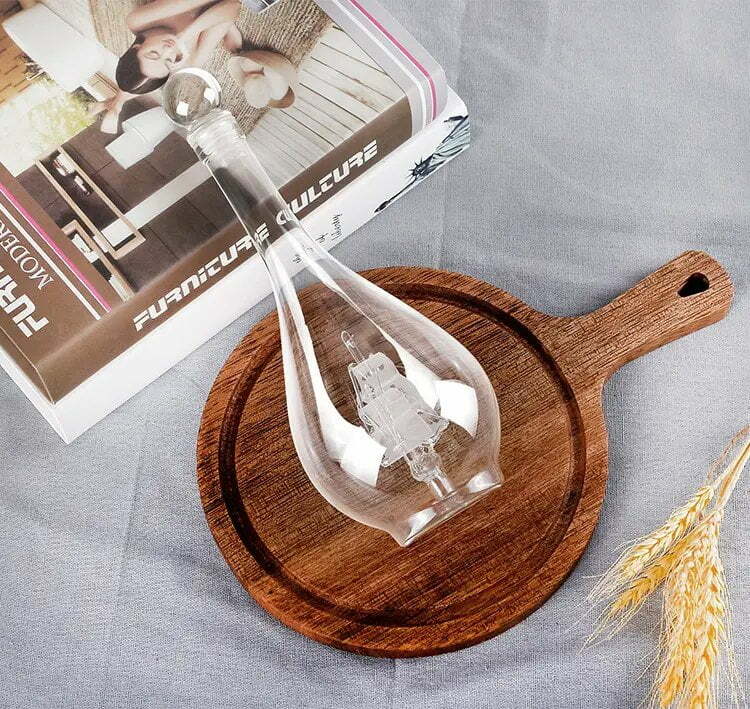
Shelf time is short. Buyers judge fast. A tequila bottle can feel “cheap” or “premium” before anyone reads the label. That first look sets the price ceiling. Many brands see higher willingness to pay when the bottle looks heavy, clean, and intentional.
Design also works as a silent salesperson. A tall neck signals luxury. A wide base signals stability. A sharp shoulder can look modern. A soft curve can feel friendly. Small details add trust, like a clean seam line, a tight closure fit, and a label that sits flat.
If you plan to stand out in a crowded shelf, build a clear idea of your “hero shape” early. You can also learn from proven forms in luxury bottle shapes that balance elegance and use and study the different shapes of glass bottles to pick a silhouette that fits your price point.

Tequila keeps growing, but it feels more disciplined now. Global volume reached about 415.4M liters in 2023 and may hit 594.7M liters by 2030. In the U.S., value was about $9.5B in 2025, with forecasts pushing higher in the next decade. Premium still leads the story, but volume growth has slowed after the boom years.
This shift changes packaging strategy. In boom times, “good enough” bottles sold. In a stable market, the bottle must earn its shelf space. RTD tequila cocktails also pull new drinkers in, which makes gifting and display more important.
A smart move is to design a platform bottle that can support reposado, añejo, and special editions without changing the whole mold. That keeps cost stable and speeds launches. For portfolio planning ideas, browse tequila bottle designs and inspiration from artistic tequila bottles.
Luxury tequila often uses height as a signal. Tall bottles look expensive in retail and pop in nightclub backbars. That is why long necks and slim bodies stay common in super-premium. But a tall bottle must still pour well and survive shipping.
A strong 2026 approach is “soft geometry.” Think clean panels, rounded edges, and a stable base. It feels modern without looking cold. Many brands also use a “platform silhouette,” where the main body stays the same while the label and closure change by SKU. That keeps your shelf look consistent.
If you want a collectible feel, a globe shape or hero decanter style can help, as long as it matches the tequila quality story.

More silhouette options sit inside custom glass bottle collections and glass decanter categories.
In 2026, many tequila buyers want a bottle that “feels real” in the hand. Tactile cues do that. Embossed agave patterns, raised logos, textured ribs, and debossed stamps look premium and survive ice buckets better than fragile paper labels.
Tactile design also helps with anti-counterfeit. A copycat can print a label. It is much harder to copy a clean emboss, a custom punt shape, and a signature shoulder mark. You can also add a small icon system that ties back to origin, agave, or your distillation style.
If you want long-lasting branding options, explore borosilicate decanter branding options and learn how bottles move from idea to finished glass in OEM/ODM decanter design to production. Even if you use soda-lime glass, the same decoration logic applies.
Sustainability is no longer a side note. Many buyers now expect it. The good news: eco upgrades can improve design. Recycled glass content can cut energy use, and lightweighting reduces shipping cost. The key is to keep the “hand feel” premium while trimming wasted weight.
A common trick is to keep mass in the base and reduce thickness in the upper body. That keeps stability while lowering total weight. You can also shift from heavy label coverage to direct print or smaller front labels.
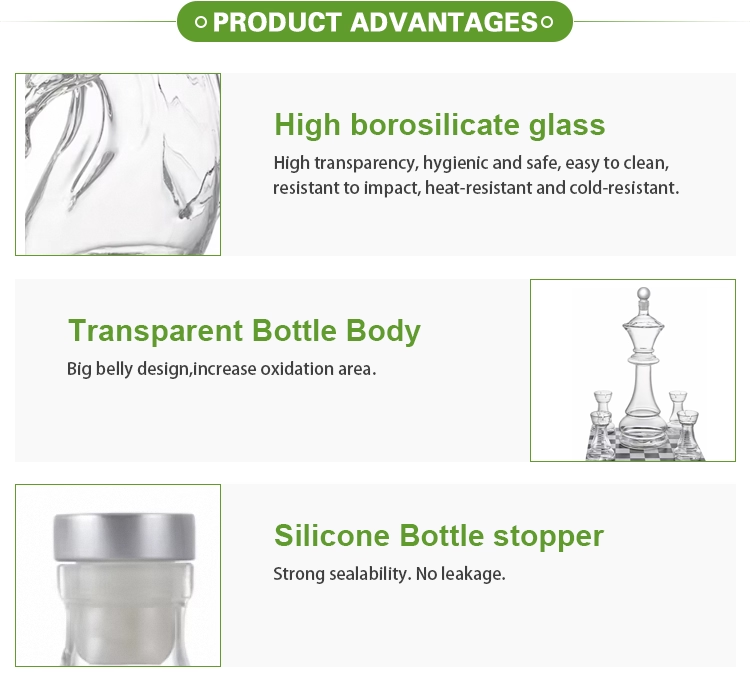
If your brand wants a clean, high-clarity story, borosilicate can be a premium option for special runs or gift sets. It has strong performance and long-term clarity benefits. Learn the tradeoffs in borosilicate vs soda-lime glass comparison and the eco angle in borosilicate glass environmental advantages. Safety messaging matters too, so reference lead-free borosilicate glass safety benefits.
Tequila is visual. Clear bottles show natural color. Warm tints can make reposado look richer. Frosted zones can hide fill lines and add grip. Small color choices change how buyers judge quality.
Ultra-clear glass sends a “pure and premium” signal. It also works well with additive-free positioning, since the spirit looks honest. Many brands avoid heavy green or dark amber for tequila because it can hide the liquid and reduce trust for first-time buyers.
If you want high clarity, your glass spec matters. Surface quality, bubbles, and haze can ruin the luxury look. For technical guidance, use borosilicate glass long-term clarity and optical advantage and ideas on color styling from decanter glass colors and whisky appeal (the same psychology applies to tequila).
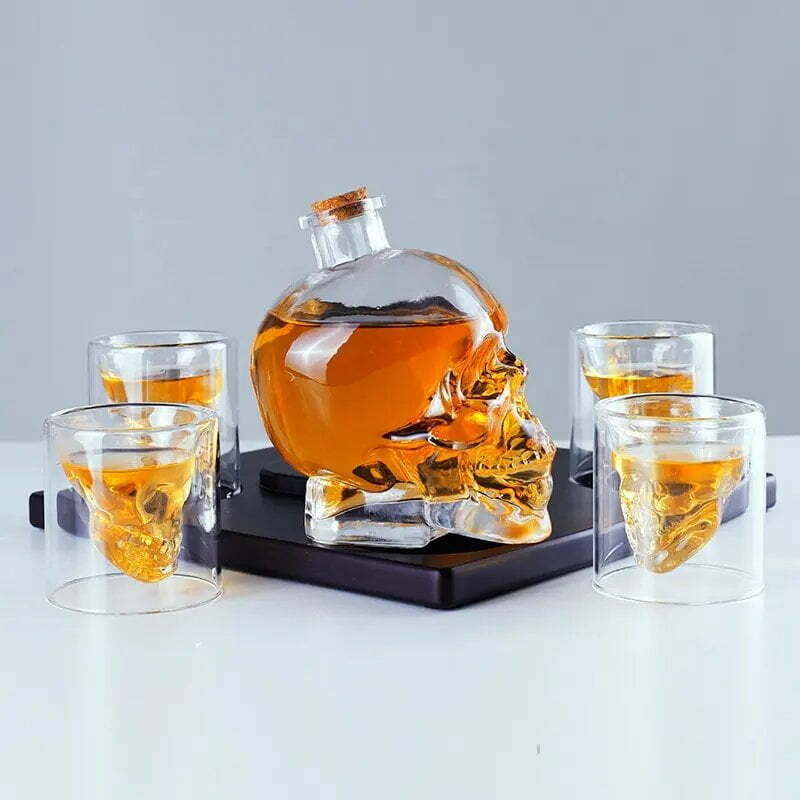
A great tequila bottle can still fail if it pours badly. Neck design controls drip, splash, and speed. Closure choice affects shelf life and brand feel. Bar-top corks look premium and work well for gifting. Screw caps win on consistency and fast service. Synthetic stoppers can reduce leakage risk in hot shipping lanes.
For premium tequila, many brands like a tight, clean top that feels solid. A loose cork feels cheap. A cap that scratches or chips hurts reviews fast.
If you sell into duty-free or heavy retail, think about tamper evidence and reclose feel. If you plan for special editions, make sure your neck finish can support different closures without remaking the whole mold. That is part of smart platform design.
For functional design ideas, reference what a whiskey decanter is used for and build a bottle spec checklist with glass bottle molds and prototypes.

Tequila bottles live a hard life. They get chilled, wiped, and moved fast. If your label tears or your ink rubs off, the bottle looks old in one week. That kills repeat buys.
Durable decoration options include:
A clean design often uses fewer elements, not more. Let the shape do the work. If you need extra storytelling, a QR code can help, but keep it small and tidy.
You can compare branding paths in custom bottle designs for brand personality and practical buyer guidance in unique glass bottles wholesale.

Tequila fans can be strict. Many hate bottles that look “all show.” A clean heritage cue can win them fast: a simple label zone, honest glass, and a form that feels rooted in Jalisco culture. Small details work better than loud shapes.
Good heritage signals include:
This style fits additive-free messaging and agave-forward taste notes. It also ages well, so your design still looks right after five years.
If you want your story to feel real, align the shape with your tequila type and your sourcing message. Supporting content can help buyers learn the craft side too, like what is agave tequila and types of agave used for tequila production. For design direction, use unveiling the art of tequila bottle design.
Skulls, dragons, and rifle shapes can explode on social media. They work well for gifting, clubs, and “collectible” drops. But tequila enthusiasts often judge these as novelty first. If the liquid does not match the price, reviews get harsh. People call them “flex bottles.”
The best path is balance. Use a bold shape, then add two trust anchors: clean glass quality and clear product positioning. Keep the design easy to hold. Avoid fragile thin parts that crack in transit.
Here are three novelty styles that can work if you execute them well:


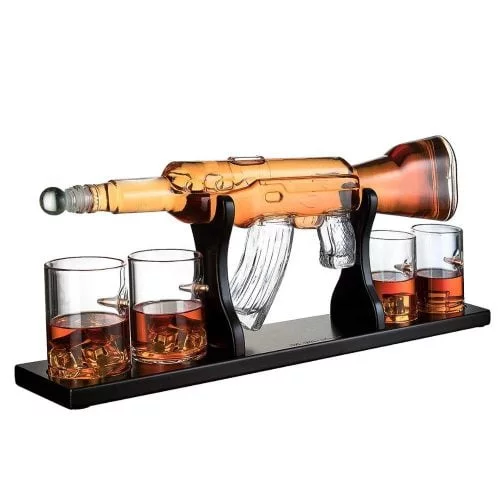
For sourcing reality checks, review gun shaped bottle sourcing guide and collector context in AK-47 tequila bottle collector guide.
A design can look perfect on paper and fail in production. Mold lines, glass flow, and cooling all affect real output. Small changes can cut defect rates a lot. You want a shape that looks premium but runs stable on the line.
Key design rules that save money:
Prototypes matter. A 3D print helps, but a glass sample reveals real weight, balance, and pour. It also shows how your decoration looks under real light.
If you want fewer surprises, use prototype custom bottle development and study how to vet supplier production capabilities before paying for tooling.
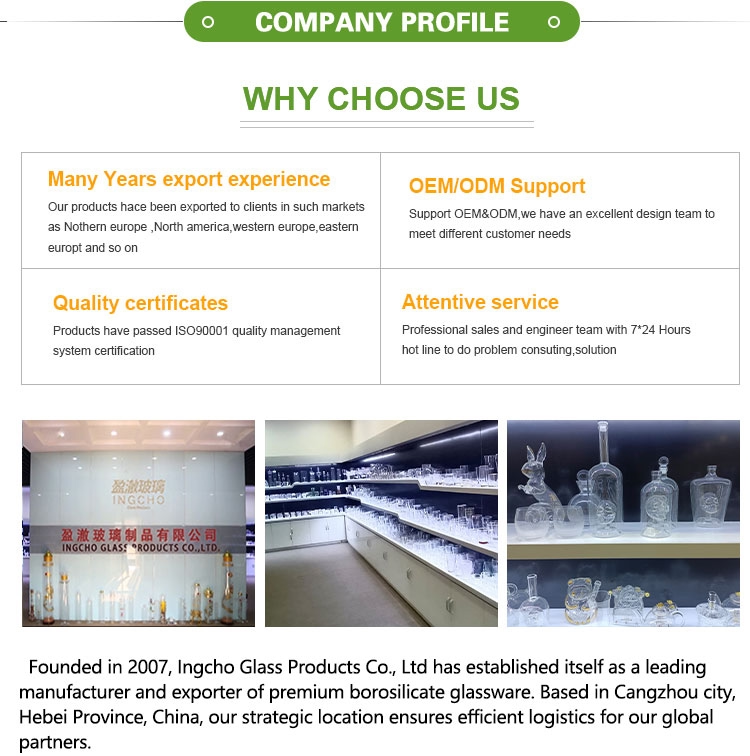
China can deliver high-end bottle work when you choose the right factory type. Some suppliers excel at borosilicate craftsmanship, some at mass soda-lime production, and some at deep decoration. Your supplier choice should match your design risk level.
If you source sculptural shapes, you want strong mold engineering and stable QC. If you source a platform bottle, you want consistency and fast cycle times. If you source gift sets, you want assembly experience and safe packing.
Regional differences matter too. Hebei and Guangdong can feel very different on speed, cost, and style. Learning this early saves months. Use these guides to map your approach:
If timing matters, check best time to source decanters in China for planning around production seasons.

A luxury tequila bottle must arrive perfect. One scratch or a loose closure can ruin the unboxing moment. Your QC plan should match your price point. For premium projects, check clarity, bubbles, seam alignment, weight tolerance, closure fit, and decoration rub resistance.
Packaging also matters as much as the bottle. Use strong dividers, tight inserts, and drop-tested cartons. For gift sets, consider a stand or foam that locks the bottle in place. If your bottle has a tall neck or a narrow base, add extra support inside the box.
Shipping tips that reduce breakage:
Safety messaging helps too. For technical confidence, reference heat and chemical resistance for alcohol storage and confirm material safety with lead-free glass decanter wholesale guidance. For resale-ready sets, explore barware gift set options.
Tall, clean silhouettes win most often because they look expensive from far away. A stable base and a simple label zone help too. Platform silhouettes also work well because they keep your range consistent. For proven inspiration, review luxury bottle shapes and explore tequila bottle designs.
They can boost gifting and social buzz. But they can also trigger “flex bottle” comments if the tequila taste does not match the look. Keep the bottle easy to hold, and make sure quality cues feel real. If you plan this style, start with gun shaped bottle sourcing to avoid bad tooling choices.
It can be a premium differentiator, especially for limited drops and gift sets. It offers strong clarity and good chemical stability. Cost and production method matter, so compare materials with borosilicate vs soda-lime glass and review why borosilicate decanters for performance basics.
Prototype early and design for manufacturing limits. Watch for thin corners, sharp transitions, and complex undercuts. Confirm neck finish and closure fit before tooling locks in. A strong start is glass bottle molds and prototypes plus prototype custom bottle development.
Embossing and debossing last the longest because the branding is part of the glass. Direct-to-glass printing can also last well when the ink system is correct. Thin paper labels often fail first. For options, see borosilicate decanter branding options and custom bottle designs for brand personality.
Match the supplier to your design risk. Complex shapes need strong mold engineering and tight QC. Platform bottles need stable output and repeat consistency. Always review capacity and process proof before payment. Start with how to vet supplier production capabilities and plan a visit using China glass factory visit guide.
Most brands stay with standard sizes for shelf fit and shipping efficiency. Special editions can use larger formats for gifting. Your size choice also affects carton design and freight cost. For size planning, use ultimate guide to tequila bottle sizes and glass bottles of various sizes.
Start with a MOQ that fits real sales channels, not hope. If the design is high risk or very custom, keep the first run conservative and focus on stable QC. If you want a safer launch path, study OEM/ODM design to production and timing guidance from best time to source in China.
