
| What you check | Why it matters | Helpful Ingcho guide |
|---|---|---|
| Region and factory type | Shows if capacity and cost fit your plan | Hebei vs Guangdong borosilicate decanter suppliers |
| Business license and history | Protects you from fake “factories” | A simple guide to choosing glass container suppliers |
| Furnace, molds, and lines | Proves real borosilicate and complex shapes | Hand-blown borosilicate glassware process |
| Daily output and peak season | Keeps you safe from late orders | Top glass manufacturing regions for borosilicate decanters |
| QC system and lab tests | Stops bubbles, tint, and fake borosilicate | Borosilicate glass manufacturers guide |
| Samples and pilot run | Shows gap between talk and reality | Step-by-step OEM onboarding for glassware |

Bad vetting hurts more than one order. It hits your brand, your cash, and your time. A weak plant may ship cloudy borosilicate, green-tinted glass, or thin walls. Clients see flaws and lose trust. Returns grow fast.
Borosilicate decanters sit in premium spots. They must stay clear, strong, and safe, as shown in why borosilicate whisky decanters work so well. Heat and ethanol test the glass over years, which links to borosilicate glass heat and chemical resistance. A weak supplier cuts corners on raw sand, boron mix, or annealing time.
Good vetting saves you from that chain of pain. Clear steps, clear checks, and clear records turn supplier choice into a steady system, not a gamble.

First, choose where you want to buy. Hebei and Guangdong play different roles for borosilicate. You can see this split in Hebei vs Guangdong borosilicate decanter suppliers and top glass manufacturing regions in China. Hebei leans to hand-blown work and pharma-grade glass. Guangdong leans to high-speed smart lines.
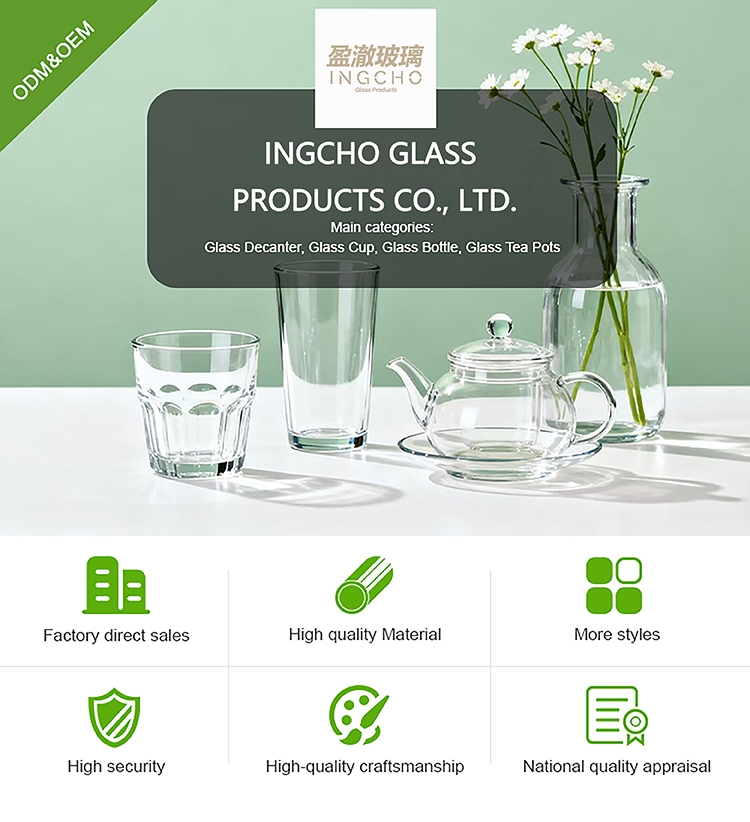
Then sort suppliers by role. Some are true factories. Some are trading firms. Both can help, but you must know which is which. Browse broad ranges like Ingcho products overview and sourcing stories from the Ingcho blog. A real plant can show furnaces and lines on live video. A trader often avoids that call or uses stock footage.
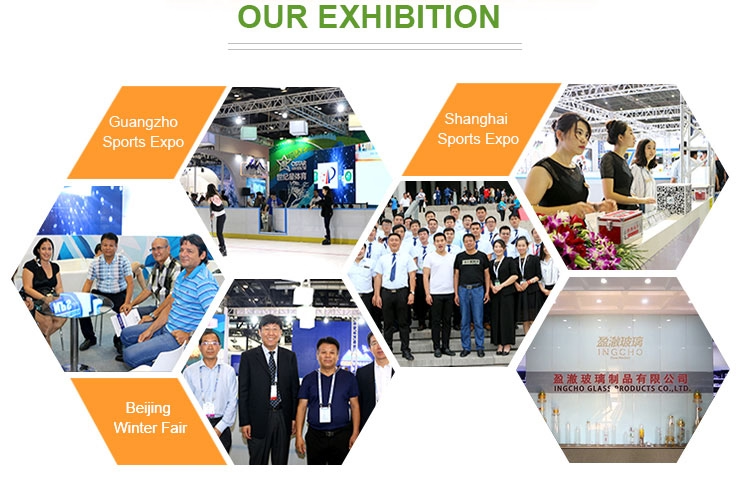
Before you ask about daily capacity, make sure the company is real. Ask for the business license. Check that the name on the license matches the name on the invoice and bank account. Guides like a simple guide to choosing glass container suppliers and a simple guide to Chinese glass jar manufacturers explain why this step stops many scams.

Check how long the firm has run. Ten years or more in glass is a good sign. Study their buyers on B2B sites using a guide to B2B marketplaces for glass jars. Ask for two overseas client contacts. A good factory shares them fast. A weak one dodges the question or sends only local names.

Real borosilicate work needs real heat and real control. Ask for live video from the furnace area. Check size, age, and control screens. For complex decanters, you want strong mold design and lampwork skill, as shown in glass bottle molds and prototypes for unique bottles and an exploration of glass bottle mold craftsmanship.
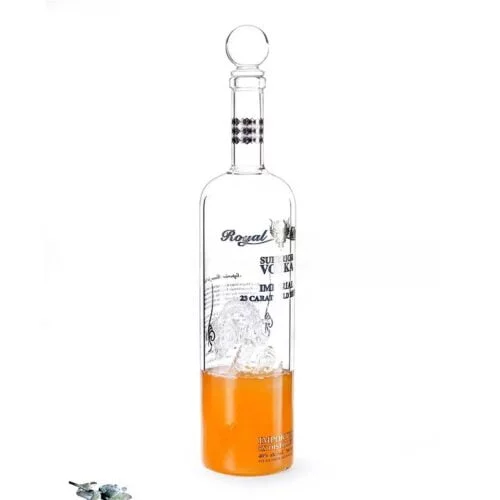
Ask how they anneal. Good plants log stress-relief cycles and can show charts. Check if they can handle special borosilicate work like hand-blown borosilicate glassware and borosilicate glass jars with lampworked shapes. Weak plants talk about “many years of experience” but cannot show data or clear flows.
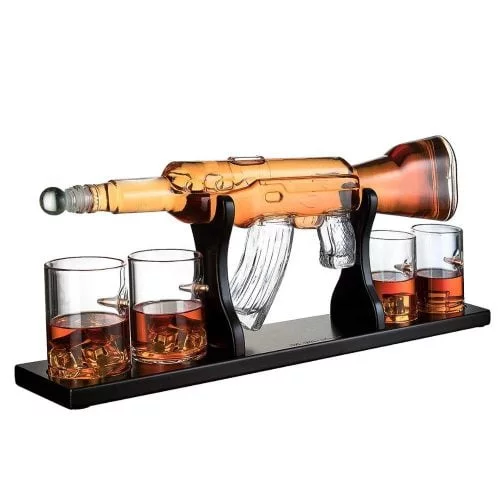
Many suppliers claim “100,000 pieces per day.” Few can prove it. Ask three simple things: size of furnace, number of workers on glass lines, and photos of finished goods area. Then see if this fits complex items like AK-47 rifle decanters and AK-47 whiskey bottle collectors’ lines.

Check if they already ship globe sets or big barware sets like globe decanters for whiskey and wine lovers, the best whiskey globe decanters, or barware gift sets for resale. Ask for proof of their three largest orders: quantity, promise date, and ship date. This shows if production matches talk and if they can scale in peak season.

Good plants treat raw materials like gold. Ask for specs and lab reports for sand and boron. Guides such as what you need to know about borosilicate glass bottles and borosilicate glass vs standard glass explain why purity affects clarity and heat shock.
Ask how they keep glass safe for food and spirits. Look for proof of lead-free systems and rules like those in safety benefits of lead-free borosilicate glass and why choosing lead-free and food-safe materials is essential. For jars, check against expert guides to material safety for food-grade jars. Ask if they can share third-party lab tests for thermal shock and chemical resistance before your first PO.

Do not test a supplier with only one simple cylinder. Use hard shapes. Order samples for a skull head whiskey bottle, tequila bottle skull, or dragon borosilicate glass bottle. These pieces show how they control tricky curves and wall thickness. They also link to design stories like the artistic allure of skull tequila bottles and dragon tequila bottle artistry.

Also test jars and special closures. Mix in items like a custom ship-shaped wine bottle, tequila with agave plant in bottle, and gift-ready jars from glass jars wholesale guides. Study how they handle details from how agave tequila bottles are made and glassblowing techniques for agave tequila bottles. If these samples pass, simple decanters will be easier.
A clear plan keeps the process calm and fast. Week one: screen regions and suppliers with top glass manufacturing regions for borosilicate decanters and Hebei vs Guangdong decanter suppliers. Week two: hold calls, collect documents, and line up a third-party audit based on step-by-step OEM onboarding guide for glassware.
Week three: order three sample waves from the same design. Fit this into a wider project plan similar to OEM / ODM borosilicate decanters design to production and custom glassware manufacturing unveiled. Week four: test samples, review the audit, then place a pilot order, not a full roll-out. Third-party labs and inspection firms cost less than one failed 20,000-piece order.

Strong importers rarely use just one supplier. They blend factories by role. One plant may own your hero globe sets like globe decanter and glasses, globe whiskey decanter, and globe wine decanter. Another may focus on value jars and utility bottles, guided by glass bottles of various sizes and shapes and the different shapes of glass bottles.

Plan your mix around brand fit. Use premium plants for personalized glass bottles that lift your brand, unique glass bottles wholesale, and borosilicate glass decanter sets. Use volume plants for refill jars, simple shapes, and wide jar programs like discover the elegance of unique glass jars wholesale and glass jar uses from storage to decoration.
Q1. How big should my first order be with a new borosilicate decanter supplier? Start small. Many importers choose 1,000–2,000 units as a pilot. This size is big enough to test packing, lead time, and defect rate. It is still small enough to fix issues fast. You can link that pilot to higher value shapes from borosilicate whisky decanters OEM projects or globe decanter sets.
Q2. When should I pay for a third-party factory audit? Use an audit any time the order value feels painful to lose. If one failed batch would hurt your cash flow, book an audit. Mix that with reading guides such as borosilicate glass manufacturers and step-by-step OEM onboarding for glassware.
Q3. How many samples do I need before a bulk order? Three rounds from the same design give a good view. Ask for sets spaced over a few weeks. Test them the same way you test your stock, using stress shapes like skull head whiskey bottles or tequila bottle skull designs.
Q4. How do I know if a supplier can handle complex custom molds? Ask for past work with special shapes. Then match what you see with guides such as glass bottle molds and prototypes, prototype custom bottle, and custom bottle designs. A supplier who shares full stories, drawings, and photos is usually safer.
Q5. How can I switch from a weak supplier without stock problems? Run two suppliers for one or two cycles. Keep smaller orders with your old factory while the new one passes samples and a pilot run. Spread SKUs by role: for example, move premium pieces like hand-blown globe decanters and lead-free glass decanters first, then jars and side lines. This lowers risk while you build a more stable base.
