
Key Takeaways
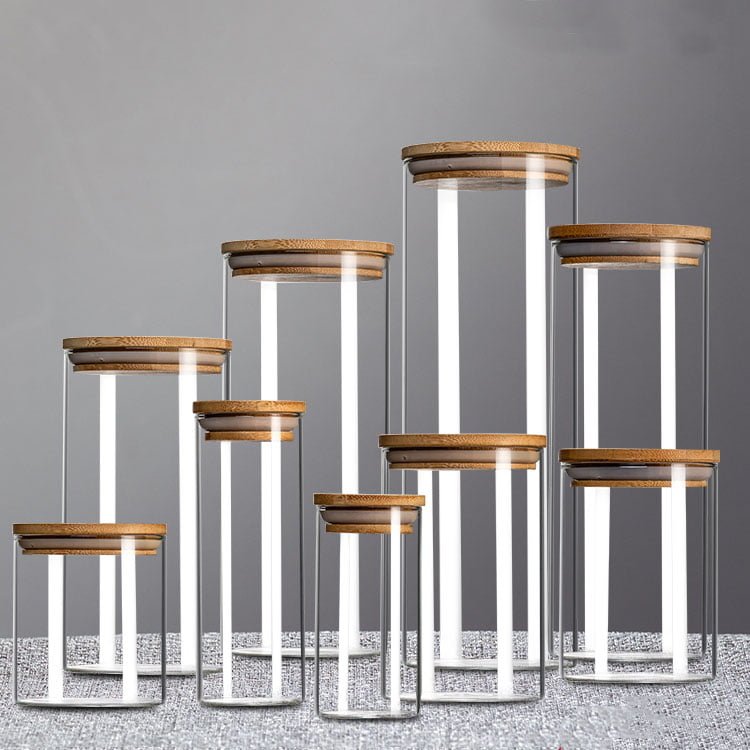
Glass jar sizes set your cost, your shelf look, and your customer use. A 16 oz jar can win for food storage, while a 4 oz jar can win for samples and gift sets. Buyers who sell online care about pack safety and return risk. Buyers who sell in stores care about how jars line up on a shelf and how labels read at a glance. Start with a known size range, then adjust by product density and fill line.
Many teams keep one “core line” and add one or two seasonal sizes. That keeps lids, cartons, and labels simple. A strong size plan also helps you build a clean SKU set in your catalog and ads. For size references and common use cases, keep a simple internal guide like this glass jar sizes reference page: glass jar sizes guide. For bulk buying angles, pair it with a glass jars wholesale overview: glass jars wholesale buying guide.
Most bulk orders focus on five glass jar sizes because they match real buying habits: 4 oz (120 ml) for samples and spices, 8 oz (240 ml) for jams and sauces, 16 oz (473 ml) for meal prep and pantry, 32 oz (946 ml) for pickles and grains, and 64 oz (1.9 L) for bulk dry goods. These sizes also map well to common label sizes and carton layouts.

If you need a fast shortlist, start with 8 oz + 16 oz for “daily use,” then add 32 oz for pantry sets. Keep 64 oz for storage-only items unless you confirm safe use for your fill process. For ready-to-quote options, check the glass jar product category: wholesale glass jar styles. If your buyers want lids included, this helps set expectations: glass jars with lids manufacturer.
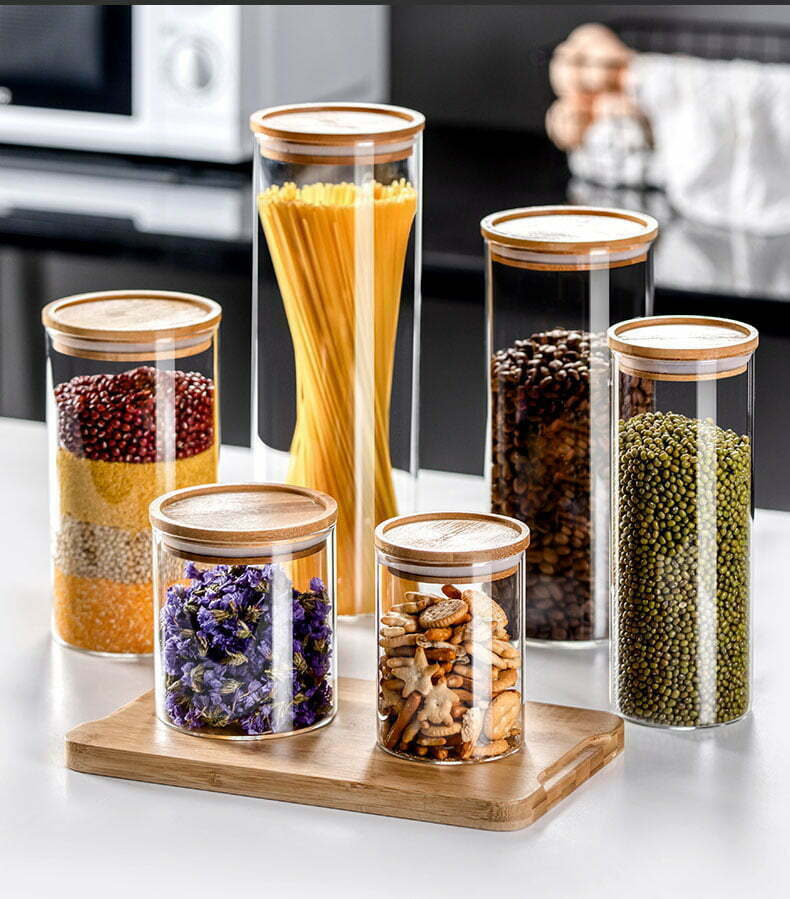
Mouth type changes how people use the jar. Regular-mouth often works better for liquids like sauces, syrups, and infused oils. It pours cleaner and helps control flow. Wide-mouth works better for chunky foods, powder scoops, and easy filling. It also speeds up packing on a production line because workers can fill faster with less mess.
Wide-mouth jars also support thicker labels and stronger grip for consumers. Many pantry sets use wide-mouth because customers hand-scoop oats, coffee, or snacks. Some premium sets mix both: regular-mouth for liquids, wide-mouth for solids. If you sell to food brands, mouth choice also affects tamper bands and closure options.
For material and performance context, link mouth choice to the jar body type: why the jar material matters. For a simple buyer-friendly use list, use: glass jar uses from storage to decoration.
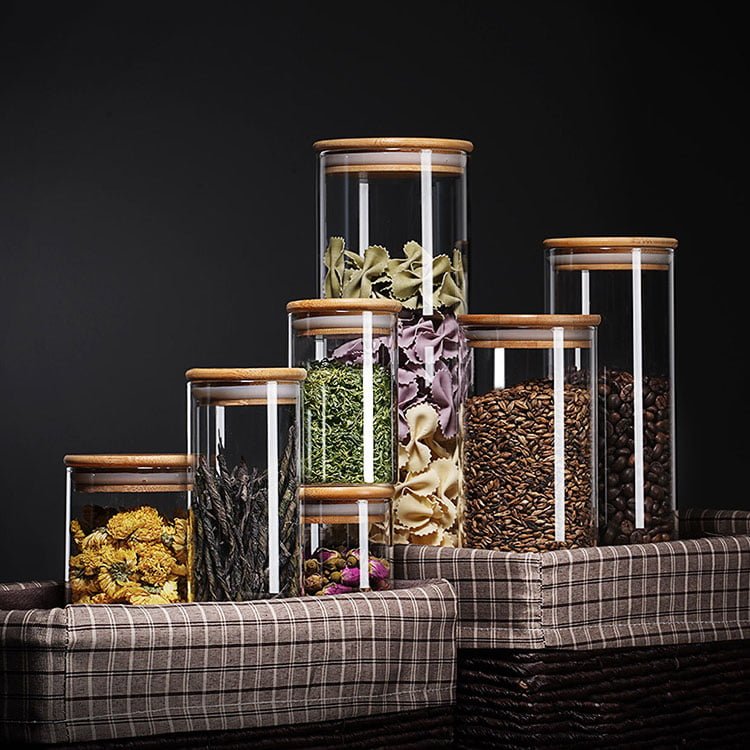
Capacity alone does not tell you shipping cost. A short, wide jar can take more carton space than a tall jar with the same volume. Diameter drives how many units fit per layer. Height drives how many layers you can stack per carton without crushing risk. This is why two “16 oz” jars can land at very different freight costs.
Shelf impact matters too. Taller jars show label front better and can look more premium. Wider jars can look modern and feel stable in hand. Many importers ask for a “carton plan” early: units per carton, carton size, dividers, and pallet pattern. That is the fastest way to predict landed cost.
For buyers who need a supplier process that stays consistent, this overview helps: choose glass container suppliers. If you need design-to-pack support for custom projects, this page frames the workflow: custom glassware manufacturing overview.
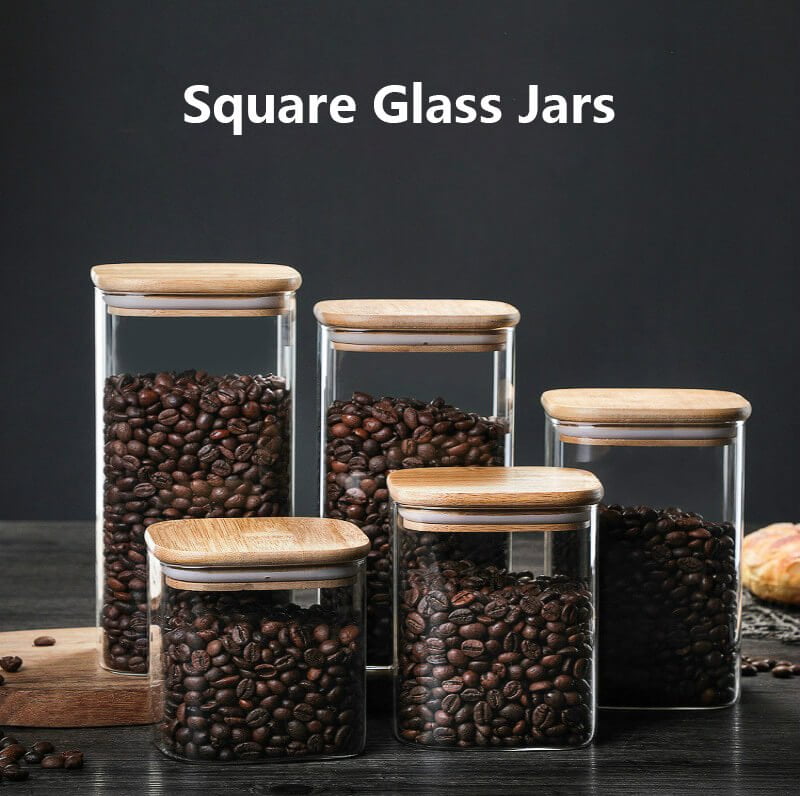
Most lid complaints come from spec gaps. A jar can look “standard,” yet the thread and finish can differ. That makes lids feel loose, cross-thread, or leak. Fix this early by confirming neck finish, outer diameter, and thread style in writing. Ask your supplier to match lids to the exact finish, not to “similar jars.”
Your RFQ should name the closure type (metal twist-off, bamboo, cork, plastic, or pump) and the seal liner. Ask for a leak test target, like inverted hold time, and ask how the supplier checks it. If you plan to source lids locally, send a physical lid sample for fit testing.
For closure choices buyers understand fast, use: custom lid types for jars. For branding and label fit, this guide helps: customized labels for jars.
For canning and hot-fill, buyers pick sizes that match common serving amounts and safe heat flow. 8 oz works well for jams, chutneys, and spreads. 16 oz fits many fruits, sauces, and soup portions. 32 oz fits pickles, beans, and bulk sauce. Mouth choice matters here too: wide-mouth makes packing solids easier, while regular-mouth helps pour liquids with less mess.
If you sell canning jars, safety claims must match the jar and process. Many brands avoid making strong “canning-safe” claims unless they control the full spec and test plan. For hot-fill, buyers should confirm wall thickness, thermal shock limits, and closure liner heat rating.
For material safety framing, use: food-grade jar material safety guide. For heat and chemical stability topics that many buyers ask about, this is useful: borosilicate heat and chemical resistance.
Dry goods drive repeat orders because the jars stay in a home for years. 16 oz works for coffee beans, nuts, and snacks. 32 oz fits oats, pasta, and baking goods. 64 oz fits flour, rice, and bulk cereal. Many pantry sets sell best when sizes “nest” visually—same style, different heights, clean label space, and easy stacking.

For dry goods, buyers care about seal quality and lid feel. A bamboo lid can sell the look, but it must still seal well. A spoon slot can help for sugar and salt sets, but it changes dust control. Plan your full set before you buy cartons.
For ready-to-sell pantry options, start here: coffee bean glass jar product. If your buyers want a scoop included, this supports the set story: glass jar with bamboo spoon.
Cosmetics buyers care about dose control, hygiene, and premium feel. Small glass jar sizes like 1–4 oz lead this space, but 4 oz and 8 oz also work for body butter, scrubs, and masks. Wide-mouth helps users scoop thick creams. Regular-mouth can reduce air exposure for thinner gels.

Cosmetic brands often ask for UV tint, frosting, or a thicker base for a “luxury weight” feel. They also ask for label space that stays flat and does not wrinkle. If you sell samples, many buyers want a very small jar with reliable lid fit, because a tiny leak can ruin a box.
For premium shape options, this page supports clean geometry: glass square jar with lid. For a broader catalog view, use: Ingcho products.
Many buyers choose borosilicate when they expect heat swings, long-term clarity, or stronger chemical stability. Soda-lime works for many normal storage uses, but it can break more easily with sharp temperature change. Borosilicate can reduce risk in hot-fill, tea, kitchen use, and lab-like settings. Buyers also like borosilicate for its clean look over time.
If your product touches food or cosmetics, buyers also ask about lead-free safety and compliance paperwork. Keep your claims tight and support them with test reports. A good supplier will explain what they test and how they control batch changes.
For a clear buyer-friendly comparison, use: borosilicate vs soda-lime glass comparison. For safety-focused positioning, this helps: lead-free borosilicate safety benefits.
Customization sells jars as a brand item, not a plain container. Buyers often start with a standard size, then add a lid style, a surface finish, and a label plan. Bamboo lids and cork stoppers add a natural look. Square jars add a clean shelf line. Frosted glass can feel premium and hide scuff marks from shipping.
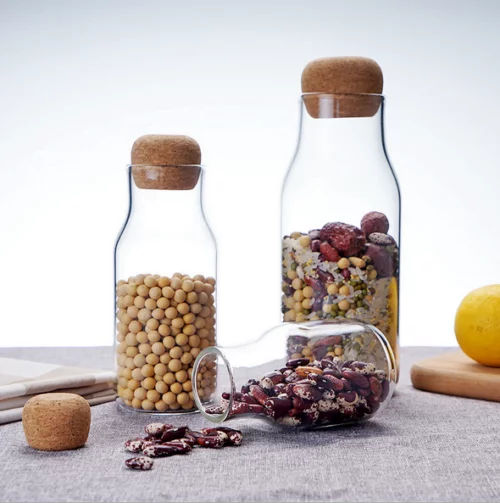
Keep function first. A cork can look great, but it must seal for the product you sell. A spoon slot can help, but it can also leak dust if the seal is weak. Ask for samples with the exact lid and liner you plan to use.
For closure choices, use: custom lid types for jars. For a gift-ready closure example, use: glass jar with natural cork stopper lid.

Glass demand stays strong because brands want reusable and recyclable packaging. Industry reports often place the global glass packaging market in the high tens of billions of USD in 2024–2025 and forecast steady growth into the early 2030s. Food, drinks, and cosmetics lead demand. Jars follow the same trend because they work for both premium and daily goods.
On the buyer side, size preferences stay practical. Many sellers report that 16 oz and 32 oz move fast because they fit food prep and pantry storage. Some brands add smaller jars for samples and gift sets to lift average order value. Problems still show up in lid fit and breakage during shipping, so buyers pay more attention to spec control and carton design.
To connect market demand to sustainability messaging, use: borosilicate glass environmental advantages. For long-term shelf clarity topics, use: optical clarity advantage of borosilicate.

Quality control starts with a clear sample plan. Ask for a “golden sample” and keep it as your reference. Confirm capacity tolerance, weight range, and key dimensions (height, diameter, neck finish). Then check real use: lid torque feel, leak test, and drop safety in the carton pack you plan to ship.
Buyers also ask for surface checks because jars sell with their look. Watch for bubbles, stones, scratches, and uneven seams. If you plan labels, test label adhesion on the exact finish (clear, frosted, coated). If you plan hot-fill, confirm thermal shock handling with the right test method.
For supplier capability checks, this is practical: vet supplier production capabilities. For process differences that affect consistency, use: handcrafted vs machine-made jars.

A smooth order starts with a tight RFQ and fast sampling. Share your target glass jar sizes, mouth type, neck finish, lid style, and decoration needs. Ask what the supplier can hold in stock molds and what needs a new mold. If you need a new mold, confirm who owns it and how long it lasts. Keep your carton plan in the same chat, because it changes break risk and landed cost.
Factory visits help when you run a private label line. You see how they pack, how they store lids, and how they handle rejects. If you cannot visit, ask for a live video walk-through that shows packing and QC. Plan orders around shipping peaks and holiday factory schedules.
For on-site buyer prep, use: China glass factory visit guide. For OEM onboarding basics without fluff, use: OEM onboarding guide for glassware.
Most wholesale orders focus on 4 oz, 8 oz, 16 oz, 32 oz, and 64 oz. These sizes match common use cases in food, pantry storage, and gift sets. This reference helps buyers keep sizing consistent across SKUs: glass jar sizes guide.
Wide-mouth works best for chunky foods, scoops, and fast filling. Regular-mouth works best for liquids and clean pouring. If you sell mixed sets, many brands choose wide-mouth for pantry items and regular-mouth for sauces and syrups. A use-focused overview helps planning: glass jar uses guide.
Thread style and neck finish can differ even when jars look the same. A lid mismatch can cause leaks or cross-threading. Confirm neck finish specs and test with the exact lid you plan to use. Closure selection also matters: custom lid types for jars.
They often are when you expect heat swings, hot-fill use, or long-term clarity. Borosilicate can lower break risk from temperature shock and can handle more demanding use. For a clear buyer comparison, use: borosilicate vs soda-lime glass comparison.
Include size, mouth type, neck finish, lid style, liner type, decoration, carton pack plan, and your QC targets. Add capacity tolerance and a leak test target. This supplier-focused checklist helps buyers ask the right questions: vet supplier production capabilities.
Start with the jar category, then filter by lid and shape. This keeps the request simple and speeds up sampling: wholesale glass jar styles. For a lid-included option, this page is useful: glass jars with lids manufacturer.
