
| Topic | What to Expect When Visiting Glass Factories in China |
|---|---|
| Why go | A visit gives clear proof of real capacity, quality, and borosilicate safety. |
| What to see | Watch furnaces, annealing, testing, packing, and how workers handle each decanter. |
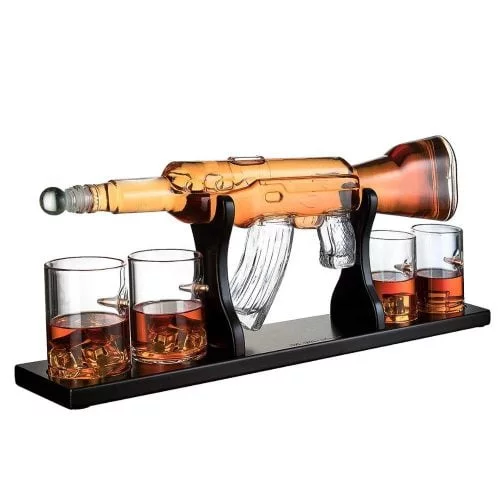
| Design gains | Sample rooms help shape skull, AK-47, globe, and tequila bottle projects with real glass in hand. |
| Cost vs value | Trips feel expensive, but they protect you from bad shipments and weak partners. |
| Best fit | Visits work best for buyers planning steady orders of borosilicate decanters and jars. |
A visit turns a “nice catalog” into a real factory you can trust. Many people start with online calls and videos. Still, visiting glass factories in China what to expect often begins with one truth: some claims break once you stand on the floor.
Walk the site with a clear framework. Use ideas from the supplier production capability guide and the borosilicate glass bottle basics. These give simple checks for capacity, quality systems, and material safety. The borosilicate glass manufacturers guide helps you see if the factory fits long-term plans.

Real shelves of skull, AK-47, and globe decanters tell more than any brochure.
On one visit, a buyer thought a supplier was huge. The actual site had a small furnace and a tiny team. The trip saved tens of thousands of dollars in future rework.
A good trip starts months before your flight. First, sort your short-list with simple online checks. Use the production capabilities checklist to see if promised output matches a realistic factory size.
Learn how OEM projects move from drawing to full orders in the OEM onboarding guide for glassware and the OEM/ODM borosilicate decanter path. These guides show what data you should bring: target volume, bottle shape ideas, closure type, branding plan, and timelines.
Study material basics too. The borosilicate vs soda-lime comparison and borosilicate vs standard glass guide explain why borosilicate works better for hot-cold swings and long-term clarity. Pair these with the food grade material safety guide so you can ask clean, sharp questions on site.
China has several strong glass clusters. Each one has its own flavor. This shapes visiting glass factories in China what to expect.
Use the top glass manufacturing regions guide to pick your route. If you focus on decanters, compare Hebei vs Guangdong borosilicate suppliers. Hebei leans into hand-blown borosilicate and art pieces. Guangdong often offers higher automation and large batch runs.

If globe sets sit at the center of your line, read about the best globe decanter supplier and best countries for globe decanters. These pieces show how China compares to other regions in cost, lead time, and style range.

Plan clusters of factories in one area per day. This keeps travel short and leaves time for slow, careful tours.

Once you enter the workshop, walk slow. Look at the full chain: raw sand, furnaces, forming, annealing, inspection, and packing. A clear view here tells you if the plant is ready for your brand.

Use the why borosilicate whisky decanters guide as your checklist. Ask how they manage shock when hot wash water hits cold glass. The heat and chemical resistance article explains what to look for in testing gear.

Confirm that the line uses lead-free recipes as in the lead-free borosilicate safety guide and lead-free health article. Check clarity too. The long-term clarity guide and clarity vs regular glass article show how to judge tint and haze under bright light.
For spirits brands, compare this visit with what you know from borosilicate vs traditional glass for spirits storage and borosilicate benefits for tequila.
A strong borosilicate partner does more than form glass. It helps you shape a full line. Use the visit to test how the team thinks through OEM work.
Start from your base decanter range. The borosilicate whisky decanters OEM page and OEM/ODM design-to-production guide show how clear briefs cut delays. Match their process to what you see on the factory floor.
Bring ideas from the best-selling decanter design tips, custom shapes guide, and branding options article. Ask which shapes fit their tools best and where they need new molds. The glass bottle mold and prototype guide and prototype custom bottle page explain how to test small runs before large orders.

Use sample pieces like the interior rose bottle and custom ship shaped wine bottle to test how well they handle complex inner figures.

Sample rooms show you what the factory really does every day. Here you see best sellers, failed ideas, and glass types side by side.
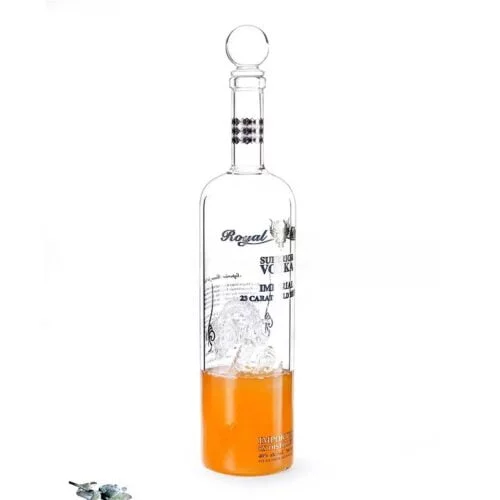
Start with clear “hero” pieces. The skull head whiskey bottle and crystal head vodka bottle show skill in complex heads and heavy bases.

Check full AK-47 lines too: the AK-47 whiskey decanter category, the AK-47 tequila bottle guide, and unique AK-47 tequila decanter article. These show how one theme can support both whisky and tequila.
Globe lovers can compare globe decanter products with guides like the complete globe decanter guide, the art and science of crafting globe decanters, new ideas for globe designs, and etched globe whiskey decanter.

Tequila buyers should review skull and dragon themes. Use:


Match what you see with guides on tequila bottle sizes, the ultimate size guide, history of glass tequila bottles, glass vs plastic tequila bottles, and tequila bottle designs.
For vodka and whisky, compare ideas from:

Many factories that make decanters also make jars and other bottles. This widens your range for gift sets, food brands, and retail packs.
Start with a view of glass jars wholesale basics and glass jars uses. Then review glass jars with lids manufacturer and specific products like the borosilicate glass jar with bamboo lid, glass jar with natural cork stopper, glass jar with bamboo spoon, coffee bean glass jar, and glass square jar with lid.
Use bigger picture guides like:
Jars live inside wider content on jar sizes, glass jar sizes and market trends, materials used in unique jars, and how cultural preferences shape jar design.
Check how factories sterilize and treat jars. Compare to sterilizing glass bottles guide, jar sterilizing guide, and DIY glass painting.
Use what you see to judge if the same line can support both jars and decanters for your gift sets and barware kits.
Chinese suppliers care about long-term ties. A good visit mixes clear checks with real human time.
Before you go, review a simple guide to choosing glass container suppliers and a simple guide to Chinese glass jar manufacturers. These show how to speak about volume, payment terms, and risk without tension. The B2B marketplaces guide helps you explain how you first found the supplier.
Share your brand story at dinner using product ideas they already know. For tequila, connect to what is agave tequila, what is agave tequila article, how agave tequila bottles are made, behind the scenes tequila manufacturing, and behind the scenes glassblowing techniques for agave bottles. Point to additive free tequila bottles if you work in that niche.

After the trip, follow the structure in the OEM onboarding and supplier guides. Send a clear summary, ask for updated quotes, and line up pilot orders. Use knowledge from 2025 glass packaging design trends and glass explained: bottle shapes and materials to keep your product map sharp.
Start with strong online checks. Use:
If volume is over a steady yearly level and samples look good, a visit often pays for itself.
Trips make the most sense if you plan to grow volume. Still, even small buyers who want unique shapes like skull tequila bottles or AK-47 tequila designs gain clear value. A visit can secure fair MOQs, safe borosilicate, and stable quality early. If travel is hard, mix remote work with data from B2B glass jar marketplaces and third-party checks.
Most buyers do two to five serious factories on a first run. Use the top regions guide and Hebei vs Guangdong comparison to group visits by area. Make sure at least one factory is strong in your main line, such as:
Focus on:
Use:
These give simple, clear points to check.
Use sample rooms and design talks to shape a full brand system. Draw on:
