

Pick one story. Do you want heritage, travel, or modern edge? Your shape, color, and logo must support that story. List three user jobs: easy pour, good grip, safe seal. Write specs for each job. Set target weight and base width for stability. For process and timing, read OEM/ODM design to production. Choose a form that matches that story using custom shapes for whisky decanters. I once cut return rate by 15% just by widening the base by 4 mm. Small moves win. Keep the brief short. One page is enough to align teams fast.

Use borosilicate. It resists heat. It resists alcohol. It stays clear for years. This keeps taste pure. It also cuts crack risk during hot-to-cold change. Learn why it wins in why borosilicate whisky decanters. Set care limits with heat & chemical resistance for alcohol storage. A clear, tough body helps branding too. Etch lines read well. Prints cure clean. I swapped a client from soda-lime to borosilicate and removed clouding on month three. Reviews jumped. Sales followed. Safe glass builds trust and repeat buys.
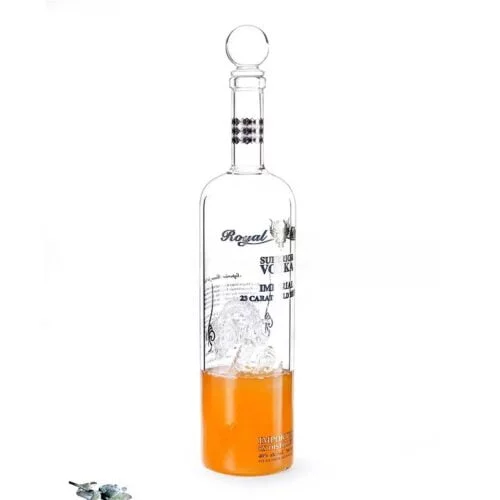
Hold a sample with wet hands. Test the grip. Tilt and pour at a slow rate. Watch the stream. Fix drip points with a small lip change. Keep the center of gravity low. Wide bases feel safe. Pick shapes that buyers understand, then add one fresh twist. Browse winning forms in custom shapes for whisky decanters. Hand-feel matters more than CAD. I moved a handle by 6 mm and cut spills by half. Use a short, repeatable test: three pours, three grip swaps. Log every change. This turns taste into data.

Etch for forever marks. Print for strong color. Emboss for 3D feel. Keep strokes ≥0.35 mm for laser clarity. On dark bodies, add a white underbase for prints. Plan your method with decanter branding options. For clean edges and fit, align artwork early with glass bottle molds & prototypes. I once raised line weight from 0.2 to 0.35 mm and fixed faint logos on a 1,000-unit run. Keep the logo small but bold. One icon beats a busy label. Buyers want simple and sharp.

Color sets the mood. Clear shows true hue. Amber guards light and adds warmth. Smoked gives drama. Soft green or blue sells themes. Read deeper in borosilicate decanter glass colors—whisky appeal. Keep clarity high; compare notes in borosilicate vs regular glass—clarity appeal. Field tip: I A/B tested amber vs clear near a window. Amber held nose better after two weeks. If you sell sets, match tint with base and cap. Warm wood loves amber. Brushed steel loves smoked.

A bestseller needs a tight seal. Use ground glass or high-grade cork with food-safe liner. Test pull force. Aim for firm, not hard. Shape the spout to break the stream clean. Pair with short-rim glasses for easy target. See pairing ideas in globe decanter with matching glasses. Teach use and care from day one with what a whiskey decanter is used for. I fixed drips by adding a 0.8 mm inner lip. Returns dropped. Reviews praised the “clean pour.” Small geometry wins.

Run 5–20 samples. Check leaks, stopper fit, wall evenness, and logo edge. Photograph each unit in soft light. Mark pass or fail. Fix now. Do not scale issues. Use prototype custom bottle to capture tone, wall, and cap match. Follow the steps and timing in the OEM onboarding guide. Keep a retain sample with signed specs. I once caught a neck drift of 0.6 mm in batch two using a simple go/no-go gauge. That save paid for the whole pilot.
Safety sells. Use lead-free claims you can prove. Test heat-cold shock. Test alcohol soak. Pull-test the stopper. Weigh each unit and track variance. Build your plan from lead-free safety benefits and the expert material safety guide. Keep a tight defect code list: bubbles, scratches, stress lines, logo blur. Log root cause and fix. A clean QC loop protects margins and reviews. Buyers forgive delays. They do not forgive leaks.
Pack to protect and delight. Use foam or molded pulp. Lock the stopper in its own nest. Add a cloth and a simple care card. Bundle two glasses to lift AOV. See kit ideas in barware gift set for resale and plan your range from the products catalog. Print the tint and capacity on the box. I added a small “pour slow” tip on one flap and cut first-use spills on unbox night. Details make five-star notes.
Start with one hero SKU. Clear story. Clean look. Tight QC. Run 500–1,000 units. Track returns and reviews. Fix, then scale. Add a second color or shape after win one. Plan lines and margin with private label globe decanters and the custom glassware manufacturing guide. I moved a client from three unproven SKUs to one hero. That one paid for the next five.
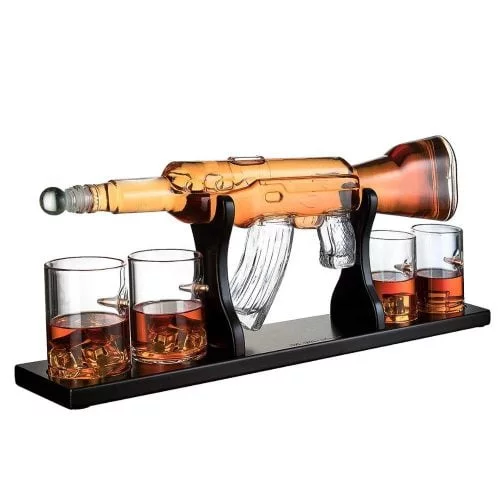
Statement shapes stop scrolls. They must still pour clean and stand steady. Check daring forms like the AK-47 rifle decanter and artful pieces like the dragon borosilicate glass bottle. Keep stress low with even walls and smooth inner corners. Use simple, bold logos on complex shapes. A quiet mark on a loud body sells class. Test display with warm light for a rich glow. Photos drive adds. Clean pours drive reviews.
Do borosilicate decanter glass colors change whisky taste? No. Borosilicate is neutral. Clear shows true hue. Amber guards light and helps nose last on a bright shelf.
Which color gives the strongest whisky appeal? For display, amber wins for warmth and UV guard. For tasting, clear wins for honest color read.
How many links and images should my product page use? Use 2–3 key internal links in each section and one clickable product image per section to guide buyers fast.
What stopper type works best for long use? Ground-glass stoppers or lined corks work well. Test pull force and seal. Keep spare seals in the kit.
How big should my logo be on a smoked body? Small but bold. Use thicker strokes or a white underbase for print. Approve samples before scale.
